
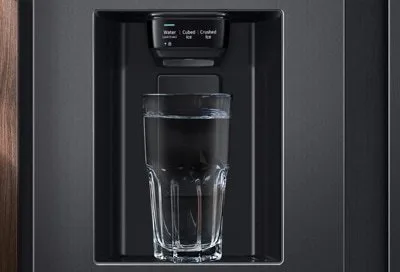
A frozen water line is the most common cause of a fridge not dispensing water. You can still use the fridge for cooling, but avoid the dispenser until the line thaws to prevent pump damage. Check the line behind the fridge or in the door hinge for stiffness; if it feels rock-hard, you have found the blockage. This often happens when freezer temperatures are too low or water pressure is insufficient.
Why the fridge isn’t dispensing water
| What you notice | What it usually means | What to do first |
|---|---|---|
| Water line is stiff | Frozen water line | Use a hair dryer on a low setting or a steamer to thaw the line. |
| Dispenser makes humming | Failed water inlet valve | Check for voltage issues |
| No water flow at all | Closed shut-off valve | Open the wall valve |
| Water pressure is weak | Clogged water filter | Replace with new filter |
| Dispenser lever is loose | Broken actuator switch | Inspect the lever spring |
| Ice maker works fine | Water supply is active | Check the dispenser path |
If your water filter is over six months old, the “weak pressure” you feel is likely a mineral buildup rather than a mechanical failure. Replacing the filter first saves you from an unnecessary service call.
Distinguish between a humming valve and a silent one. A hum indicates the appliance is calling for water but the valve is stuck shut. If there’s no sound at all, the issue is likely a blown fuse or a disconnected wire.
Most homeowners mistake a frozen line for a pump failure. If you unplug the unit, leave the fridge doors open to speed up the thaw. If water flows again after 24 hours, you have successfully cleared the ice.
Never force a loose dispenser lever. If the spring feels soft or lacks tension, the actuator switch behind the panel has likely snapped. Replace the switch to restore dispenser functionality.
A frozen supply line
A frozen water line happens because the cold air from the freezer compartment reaches the plastic tubing, turning the standing water into ice. This is most common in models where the water line runs through the freezer door hinge. You can confirm this by carefully feeling the water line tubing for a solid, non-pliable texture. If you suspect a freeze, the best fix is to unplug the unit and leave the fridge doors open for 24 hours to let the ice melt naturally. Use a hair dryer on a low setting to carefully thaw the line. If the line is damaged, it will leak once it thaws.
This assumes the fridge is in a standard kitchen environment at room temperature. If your kitchen is very cold, the line may freeze faster, requiring you to adjust the freezer temperature slightly higher. Once the ice melts, you should hear the water flow when you press the dispenser lever. If it still doesn’t dispense, the issue may be electrical rather than physical. Always refer to the official water filter replacement guidance provided by the manufacturer to ensure your filter type isn’t contributing to flow restrictions.
A failing water inlet valve
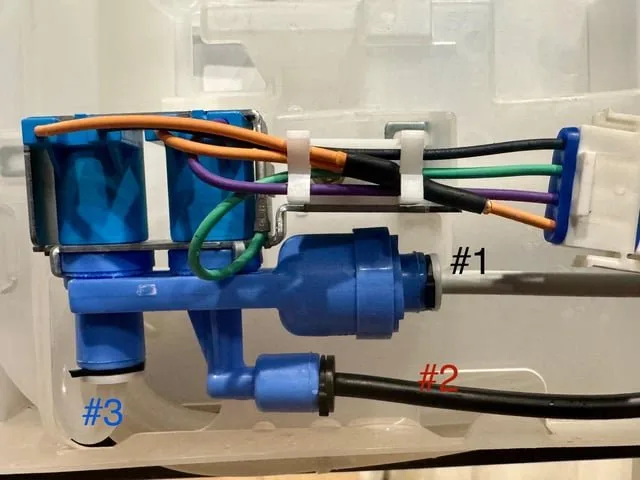
The water inlet valve is an electrical component that opens to allow water to flow into the dispenser when you press the lever. If the valve fails, it won’t open even if the water line is clear. You can identify this if you hear a faint humming or clicking sound when you press the dispenser paddle, but no water comes out. This indicates the solenoid is receiving power but the mechanical gate is stuck or the internal diaphragm has hardened.
If X is a humming sound, don’t force the lever repeatedly, as this can overheat the solenoid and melt the plastic housing. If Y is total silence, check the breaker first to ensure the unit has power. This varies by model; check the label on your valve to see if it requires specific pressure levels to operate. Most residential valves require at least 20 PSI to function correctly. If your home water pressure is lower, the valve will fail to open regardless of its condition.
Replacing a valve is a technical task. If you don’t have experience with electrical appliances, stop here. Ensure the refrigerator is unplugged before accessing the water inlet valve. This is a job for a qualified technician who can test the valve for continuity using a multimeter. If the meter reads “OL” or infinity while the solenoid is energized, the coil is burnt out. A successful repair requires confirming the specific part number found on the valve body to ensure the flow rate matches your refrigerator’s capacity.
A clogged or expired water filter
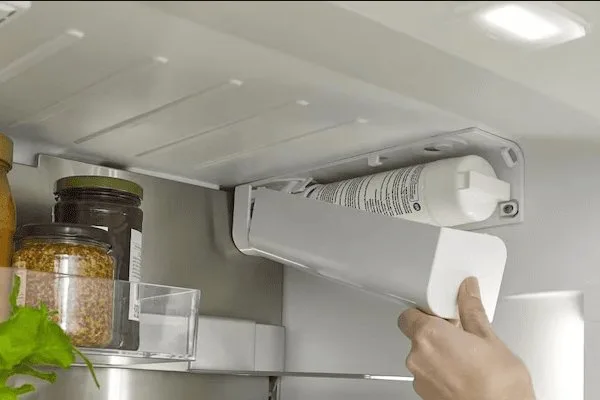
A clogged water filter restricts the flow of water to both the ice maker and the dispenser, though sometimes the ice maker will continue to function because it requires less pressure than the dispenser. If your water flow has gradually slowed down over several months, the filter is likely the culprit. To verify this, remove the filter and install the bypass plug that came with your fridge. If the water flows immediately after bypassing the filter, you simply need to purchase a new, compatible filter.
Many people make the mistake of waiting until the “replace filter” light turns on before acting. This can cost you in the form of a failed water inlet valve, which struggles to operate with restricted flow. This assumes your water supply is clean; if you have hard water with high mineral content, you may need to replace the filter more regularly. If you find that the water pressure is still low after a fresh filter installation, check your home’s main water shut-off valve to ensure it’s fully open. If the valve is open and the filter is new, the obstruction may be in the supply line itself.
When to stop and get help
-
You smell burning or see smoke: Stop immediately and unplug the unit. A faint, acrid scent often precedes a melted wire harness, which can trigger a fire within minutes.
-
Water is leaking onto the floor: This indicates a cracked internal line or a failed inlet valve. If the leak is persistent, you risk structural rot in your subfloor.
-
The dispenser makes a loud grinding noise: This suggests a mechanical failure in the gear assembly or motor. If you ignore the sound for more than three cycles, you risk burning out the entire drive system.
-
You’re uncomfortable working near electrical components: Never attempt to bypass safety switches or open the sealed back panel. If you can’t identify the capacitor, you’re at risk of a high-voltage shock.
-
The fridge is under warranty: Contact the manufacturer before starting any repairs. DIY intervention often voids your coverage, leaving you responsible for the full cost of a replacement compressor.
If you reach these points, contact a licensed professional. They use specialized diagnostic tools to test internal wiring safely. Don’t attempt to open sealed cooling systems yourself. These units contain pressurized refrigerant; releasing it’s a federal violation and poses an immediate risk of frostbite or respiratory injury.
Frequently asked questions
Can I use a hair dryer to thaw the line?
No, you should never use a hair dryer on the water line. The plastic tubing inside the fridge is highly sensitive to heat and will deform or melt at temperatures much lower than what a hair dryer produces. This creates a permanent leak that’s difficult to repair. It’s much safer to simply unplug the unit and let the ice melt naturally over 24 hours.
How long does it take for a frozen line to thaw?
It usually takes between 12 to 24 hours for a frozen water line to thaw completely. This assumes the fridge doors are left open and the unit is unplugged in a room-temperature environment. If you notice water dripping from the dispenser area after a few hours, the ice is beginning to break up, but you should wait until the flow is consistent before using it again.
Is it safe to keep using the ice maker?
Yes, it’s typically safe to keep using the ice maker even if the water dispenser isn’t working. The two systems often use different paths or components. However, if the water line is frozen, the ice maker will eventually stop working too. If you hear the ice maker trying to cycle without producing cubes, turn it off to prevent the motor from burning out.
Why is my water dispenser dripping?
A dripping dispenser is often caused by trapped air in the lines or a valve that isn’t closing fully. Try dispensing water for one minute straight to push any trapped air out of the system. If the dripping persists, the water inlet valve may be failing and unable to create a proper seal. You should check your manual to see if a professional needs to replace the valve.
Does the water filter age affect the taste?
Yes, an old water filter loses its ability to remove chlorine and other sediments, which changes the taste of the water. Beyond taste, an old filter becomes a breeding ground for bacteria if left in place for too long. Always replace your filter as part of your usual clean, or sooner if you notice a change in water flow or quality.
What happens if I ignore a slow dispenser?
Ignoring a slow dispenser often leads to the failure of the water pump. The pump is designed to push water at a specific pressure; when the filter is clogged, the pump works harder and eventually burns out. Replacing a water inlet valve is much more expensive than replacing a water filter. If your water flow is noticeably slower than when the fridge was new, replace the filter immediately.
Final Thoughts
If the water still doesn’t flow after a few hours, you might have a faulty inlet valve or a clogged filter. Don’t worry, as these parts are usually easy to swap out yourself. Check your owner’s manual for the right replacements, and you’ll have a working dispenser again in no time.