
A damaged door strike or a misaligned latch assembly is why you have a Frigidaire Dishwasher Not Latching properly. The most common cause is a collection of food debris or hard water buildup inside the latch mechanism that prevents the hook from fully engaging with the strike plate. You can fix this by cleaning the area with a damp cloth or by adjusting the strike plate if it has shifted over time. If the latch remains loose after cleaning, the internal spring or plastic housing may be broken and require a replacement part.
Why Your Frigidaire Dishwasher Not Latching Occurs
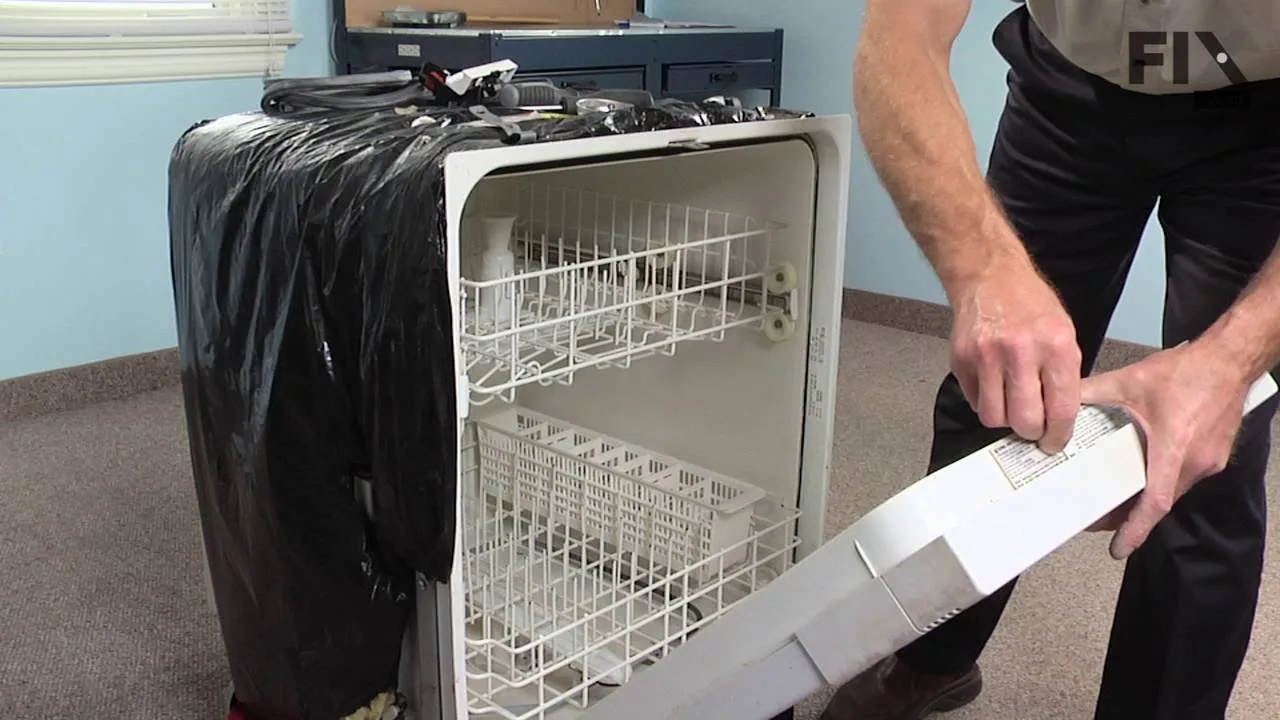
The door latch on your appliance serves two main purposes: it keeps the water inside during a cycle and sends a signal to the control board that it’s safe to start. When this cycle is interrupted, the machine won’t fill or start because the safety interlock isn’t closed.
The most frequent culprit is physical obstruction. Over months of use, small particles of food, grease, or detergent residue can harden inside the latch housing. This build-up acts like a shim, preventing the latch hook from clicking into the locked position. If your dishwasher door feels “mushy” or bounces back when you push it shut, check the strike plate at the top of the door frame first.
Another reason involves mechanical fatigue. If you frequently pull on the door handle before the cycle is finished or if the door is slammed regularly, the strike plate can shift out of alignment. This prevents the hook from lining up with the catch. Finally, internal plastic components can wear down or crack. Plastic parts inside the door assembly are subject to constant heat and humidity, which makes them brittle over time. If the spring inside the latch loses its tension, it won’t hold the door shut even if the alignment is perfect. Always consult the Frigidaire official support site if you suspect a deeper electrical fault, as the door switch is a critical safety component.
Clear debris from the latch
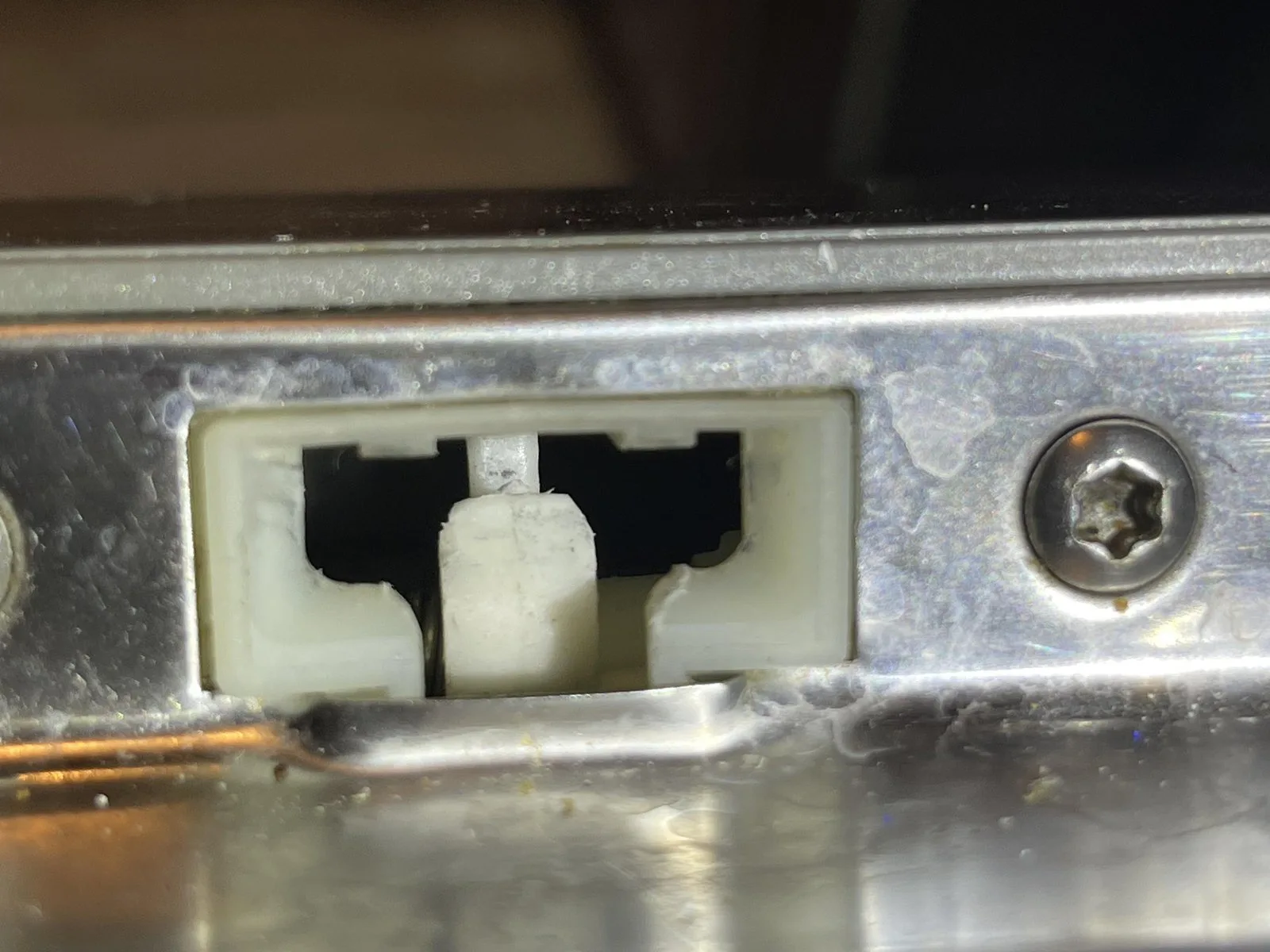
This fix is for users who feel the door hit the frame but fail to “click” shut. Before you start, ensure the dishwasher is powered off at the breaker. Take a flashlight and inspect the latch hook located at the top center of the door and the corresponding strike plate on the tub frame.
If you see gunk, use an old toothbrush dipped in warm water and a drop of mild dish soap to scrub the area. Don’t use harsh chemicals or metal tools, as these can scratch the plastic or corrode the metal strike plate. After scrubbing, wipe the area dry with a clean microfiber cloth. Once clean, try to close the door. If it clicks firmly, you have solved the problem. If it still doesn’t latch, the issue is likely mechanical rather than just cleanliness.
If you find that the strike plate is loose, use a screwdriver to tighten the mounting screws. Don’t overtighten them, as you risk stripping the plastic threads in the door frame. If the screws are already tight but the plate wiggles, the mounting holes in the metal tub or bracket may be stripped or enlarged. This is a common trade-off with older plastic-tub models; if the plastic is warped, you may need a new strike plate assembly to restore the proper fit.
Adjust the strike plate alignment
If your latch is clean but the door still refuses to stay closed, the strike plate might need a slight adjustment. This fix is for those who notice the latch hook is hitting the edge of the plate instead of sliding into the slot.
Look at the strike plate on the dishwasher tub. Many Frigidaire models have oval-shaped screw holes that allow for a small amount of movement. Loosen the two screws holding the strike plate just enough so the plate can slide. Move the plate by one or two millimeters in the direction that aligns it better with the latch hook. Tighten the screws back down and test the door.
If the door closes easily and stays shut, you have succeeded. If it requires too much force to close, loosen the screws again and move the plate slightly back toward its original position. This is a game of millimeters. If the screws are rusted or won’t turn, don’t force them, as you might break the plastic mounting points. This fix isn’t for those who have a broken latch spring, as alignment won’t solve a loss of internal tension. If you have to push the door extremely hard to get it to lock, you’re putting unnecessary stress on the door hinges, which can lead to leaks later on.
Replace the latch assembly
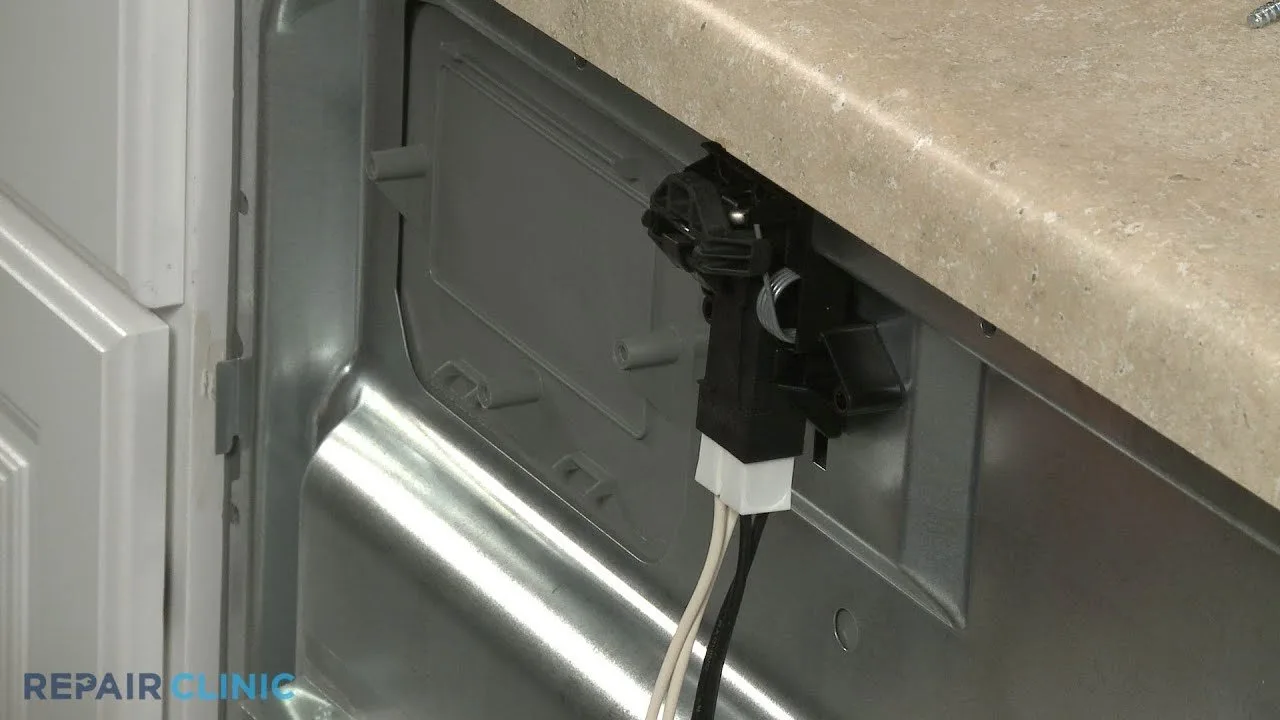
This fix is for cases where the latch mechanism feels limp or the door won’t lock even after cleaning and alignment. Replacing the latch assembly is a more involved process. If your model requires removing the inner door panel to access the latch, you should check your specific manual first.
A latch assembly replacement is worth the effort if the dishwasher is otherwise in good working order. However, if your dishwasher is older, assess if the cost of the part and the time spent outweigh the remaining lifespan of the unit. You’ll need a screwdriver and a replacement latch assembly compatible with your specific model number.
Because the door assembly contains electrical wires and switches, this is a job that requires caution. If you aren’t comfortable working with small electrical components, hire a professional technician. Never attempt to bypass or “jump” the door switch to trick the machine into running, as this creates a significant safety risk by allowing the machine to operate with the door open. Always check the label inside your door frame for the model number before ordering parts. Using the wrong part will result in the door failing to lock or, worse, damaging the control board.
What not to do
Don’t use heavy-duty grease or WD-40 inside the latch. These products attract food particles and debris, which will cause the mechanism to stick again within weeks. If the latch feels stiff, use a dry silicone-based lubricant instead.
Don’t use tape or external magnets to hold the door shut. These methods fail to engage the safety interlock, which prevents the dishwasher from starting. If the door won’t stay closed, the issue is usually a misaligned striker plate rather than a lack of external force.
Don’t force the door shut by slamming it. This habit eventually bends the door hinges, leading to permanent water leaks around the seal. If you must push hard to close it, check for a warped rack that’s obstructing the door path.
Don’t attempt to open the control panel housing unless you’re experienced with appliance repair. Internal capacitors can hold a lethal electrical charge even when the unit is unplugged. If the display is unresponsive, call a professional.
How to stop it happening again
To keep your dishwasher latch working, you must prevent the buildup of residue and handle the door with care.
| If you’re doing this | Do this instead | Why |
|---|---|---|
| Slamming the door shut | Gently push until it clicks | Slamming damages the strike plate |
| Hanging heavy items on the door | Load heavy items on the bottom rack | Weight pulls the door out of alignment |
| Using too much detergent | Use the recommended amount | Excess soap leaves residue in the latch |
Frequently asked questions
Can I run my dishwasher if the latch is broken?
No, you can’t safely run your dishwasher if the latch is broken. The latch connects to a safety switch that prevents the machine from filling or starting unless the door is sealed. Bypassing this risks water spraying out and damaging your kitchen.
How long does a dishwasher latch last?
Most dishwasher latches are designed to last for the duration of the appliance’s expected life. This varies based on model and usage frequency, as hard water or forceful closing can cause premature wear. If the latch feels loose or requires extra pressure, it may need replacement.
Is it safe to replace the latch myself?
Yes, you can replace the latch yourself if you disconnect the power first. Always turn off the circuit breaker before opening the door panel to ensure safety. If you’re uncomfortable handling electrical connectors or complex modules, it’s better to call a professional.
Why does my dishwasher door keep popping open?
Your dishwasher door pops open because the latch hook isn’t engaging with the strike plate. This usually occurs because the strike plate has shifted or the latch spring has lost tension. Replacing the latch assembly typically resolves this if the alignment is correct.
What happens if I use the wrong latch part?
Using the wrong latch part will cause the dishwasher to fail to start or prevent the door from closing. Because latches are model-specific, the hook and mounting holes must match your exact unit. Always verify your model number before purchasing a replacement part.
Final Thoughts
If the door still won’t stay shut, it’s time to inspect the latch assembly for any visible cracks or worn-out springs. You shouldn’t hesitate to order a genuine replacement part if you spot damage. Once you’ve swapped it out, your machine’s door will snap into place securely, and you’ll be back to stress-free cleaning.