
If your Frigidaire refrigerator ice maker is not working, you’re not alone. Many homeowners face this issue at some point. You may notice no ice in the bin, slow ice production, or odd noises. These problems can be frustrating especially when you need ice for drinks or cooking. The good news? Most ice maker issues can be fixed without calling a repair technician. With a bit of knowledge and careful troubleshooting, you can often get your ice maker working again.
This guide covers everything you need to know: how the ice maker works, common causes of failure, step-by-step troubleshooting, repair tips, and prevention. It’s written in simple, clear English so anyone can follow along. Whether you’re handy or just want to understand the basics, this article gives you practical advice and insights to solve the problem.
How A Frigidaire Refrigerator Ice Maker Works
To fix the ice maker, it’s important to know how it operates. Frigidaire ice makers use a basic system found in most modern refrigerators:
- Water enters through a supply line connected to your home plumbing.
- A water inlet valve opens, letting water flow into the ice maker tray.
- The tray freezes the water. When the cubes are ready, a heater warms the tray slightly so cubes release.
- A motor arm or ejector pushes the ice into the storage bin.
- The cycle repeats as long as the bin is not full.
If any part of this process fails, you won’t get ice. Common problems include water supply issues, faulty valves, electrical failures, or mechanical jams.
Common Reasons A Frigidaire Ice Maker Stops Working
Understanding possible causes helps you fix the problem faster. Here are the main reasons your Frigidaire refrigerator ice maker might not work:
- Water supply issues: If water can’t reach the ice maker, it won’t make ice.
- Faulty water inlet valve: The valve may not open or close properly.
- Frozen water line: Ice can block the water line, stopping flow.
- Clogged filter: Dirty filters reduce water pressure and flow.
- Defective ice maker assembly: The internal mechanism may fail.
- Electrical or sensor problems: Faulty wiring, sensors, or controls can prevent the cycle.
- Temperature issues: If the freezer is too warm, ice won’t form.
- Mechanical jams: Ice cubes or broken parts can jam the ejector arm.
- Control board failure: The main board may stop sending signals.
Each problem has clear signs. For example, a frozen water line usually results in no ice at all, while a mechanical jam may cause partial or misshapen cubes.
Troubleshooting Steps For A Frigidaire Ice Maker
Most issues can be fixed with step-by-step troubleshooting. Here’s how to diagnose and solve the most common problems.
Check The Water Supply Line
First, make sure water is reaching the refrigerator:
- Inspect the water line behind the fridge for kinks or bends.
- Turn off the supply valve, disconnect the line, and check for clogs.
- Run water through the line to test flow.
If water doesn’t flow well, clean or replace the line.
Inspect The Water Inlet Valve
The water inlet valve lets water into the ice maker. If it’s faulty, you won’t get ice.
- Locate the valve (usually behind the fridge, near the bottom).
- Listen for a clicking sound when the ice maker calls for water. If you don’t hear it, the valve may be defective.
- Test the valve with a multimeter for electrical continuity. Replace if it fails.
Examine The Ice Maker Assembly
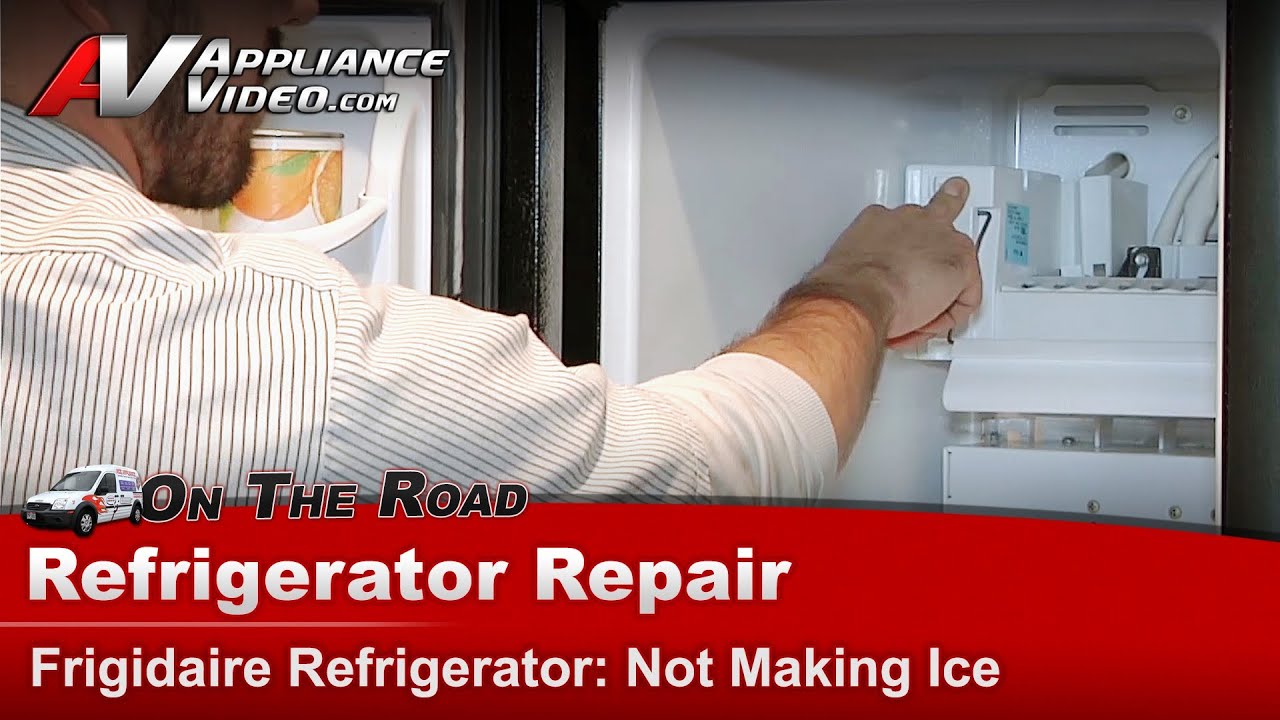
Open the freezer and inspect the ice maker:
- Look for ice buildup or mechanical jams.
- Remove the ice bin and check for broken parts or stuck cubes.
- If the ejector arm is blocked, clear the jam and restart the cycle.
Test The Freezer Temperature
Ice makers work best at 0°F to 5°F (-18°C to -15°C). If the freezer is too warm:
- Use a thermometer to check the temperature.
- Adjust the settings if needed.
- Make sure nothing blocks air vents inside the freezer.
Replace The Water Filter
A clogged filter can reduce water flow. Frigidaire recommends changing filters every six months.
- Locate the filter in the fridge compartment.
- Remove and replace with a new, compatible filter.
- Run several cups of water through the dispenser to clear air.
Reset The Ice Maker
Sometimes, a simple reset fixes electrical glitches:
- Turn off the refrigerator using the control panel or unplug it.
- Wait five minutes, then turn it back on.
- Press the reset button on the ice maker (if available).
Inspect Electrical Connections
Loose wires or faulty sensors can stop the ice maker:
- Check the wiring harness connecting the ice maker to the fridge.
- Look for signs of wear, corrosion, or loose plugs.
- If wires are damaged, repair or replace them.
Check For Frozen Water Line
If water stops flowing, the line may be frozen:
- Use a hair dryer to gently warm the area where the line enters the fridge.
- Do not overheat or melt plastic parts.
- Once thawed, test the water flow again.
Review The Control Board
A faulty control board is rare but possible:
- If all other steps fail, the board may not send signals.
- Call a technician for board testing and replacement.
Data: Ice Maker Failure Rates And Repair Costs
Ice maker issues are common. According to appliance repair statistics:
- About 20% of refrigerator repairs involve the ice maker.
- Most repairs cost between $150 and $350.
- DIY fixes (like unclogging lines or replacing filters) cost less than $50.
Here’s a quick comparison between different causes and their repair costs:
| Problem | Typical Repair Cost | DIY Difficulty |
|---|---|---|
| Clogged Water Filter | $20–$50 | Easy |
| Frozen Water Line | $0–$20 | Easy |
| Faulty Water Inlet Valve | $80–$250 | Medium |
| Broken Ice Maker Assembly | $120–$350 | Medium |
| Control Board Failure | $200–$400 | Hard |
Signs Your Ice Maker Needs Professional Repair
DIY fixes solve most problems, but some situations require expert help:
- Water leaks from the fridge or freezer
- Loud, unusual noises (grinding or clicking)
- Error codes on the refrigerator display
- Electrical smells or visible sparks
If you see these warning signs, call a certified technician. Attempting complex repairs yourself can cause more damage or void your warranty.
How To Replace The Water Inlet Valve
Replacing the water inlet valve is a common repair. Here’s how to do it safely:
- Unplug the refrigerator and shut off the water supply.
- Move the fridge to access the back panel.
- Remove the panel with a screwdriver.
- Locate the valve (usually blue or green plastic).
- Disconnect the water line and electrical plug.
- Unscrew the valve and remove it.
- Install the new valve, reconnect lines and plugs.
- Reattach the panel, turn on water, and plug in the fridge.
- Test the ice maker for proper function.
Most valves cost $80–$250. This repair takes about 30–60 minutes.
How To Prevent Ice Maker Problems
Prevention is easier than repair. Simple habits keep your ice maker working longer:
- Change water filters every six months.
- Keep freezer temperature at 0°F to 5°F.
- Check the water line for kinks or clogs regularly.
- Clean the ice bin and maker every month.
- Don’t overload the freezer—allow airflow.
- Inspect for leaks or moisture inside the fridge.
A well-maintained ice maker lasts 5–10 years. Neglect causes faster breakdowns and expensive repairs.
Cleaning Tips For Your Ice Maker
Ice makers need cleaning for hygiene and performance. Here’s a safe cleaning routine:
- Turn off the ice maker and unplug the fridge.
- Remove the ice bin and wash it with warm, soapy water.
- Wipe the inside of the maker with a damp cloth.
- Use a soft brush for hard-to-reach areas.
- Dry all parts before reassembling.
- Plug in the fridge and restart the ice maker.
Avoid harsh chemicals. If you notice mold or foul smells, clean more often.
Comparing Frigidaire Ice Maker Models
Frigidaire offers several ice maker designs. Here’s a comparison of three popular models:
| Model | Ice Production (per day) | Price Range | Key Features |
|---|---|---|---|
| Frigidaire Gallery FG4H | 28 lbs | $1,200–$1,600 | Large bin, fast production, filter alert |
| Frigidaire FFSS2615TS | 14 lbs | $900–$1,200 | Basic bin, easy access, simple controls |
| Frigidaire Professional FPBC | 36 lbs | $1,600–$2,200 | Dual ice maker, adjustable size, smart sensors |
Choose a model based on your ice needs and budget. High-end models make more ice and have extra features, but basic models are easier to maintain.
How To Reset A Frigidaire Ice Maker
Resetting the ice maker often solves minor glitches. Here’s the standard reset method:
- Locate the reset button on the ice maker (often under the front cover).
- Press and hold the button for 10 seconds.
- Wait for the ice maker to restart listen for a motor sound or water flow.
- If your model doesn’t have a button, unplug the fridge for five minutes.
If the ice maker still won’t work, try other troubleshooting steps or call for service.
Hidden Insights For Better Ice Maker Performance
Most guides only cover basic fixes. Here are two less-known tips:
- Check for mineral buildup: Hard water leaves deposits inside the ice maker and water lines. These block water flow and damage parts. Use a water softener or descaling solution if you notice white buildup.
- Test water pressure: Low water pressure (below 20 psi) stops ice production. Use a pressure gauge at the supply line to test. If pressure is low, check your home plumbing or consult a plumber.
These tips prevent repeat failures and extend the life of your ice maker.
Frigidaire Warranty And Support
Frigidaire offers a standard one-year warranty for most refrigerators. Extended warranties may cover ice maker repairs for up to five years.
- Keep your purchase receipt and warranty documents.
- Register your appliance on the Frigidaire website.
- If you need service, contact Frigidaire support or a licensed technician.
For official information, visit the Frigidaire Support page.
When To Replace Vs Repair Your Ice Maker
Sometimes, it’s better to replace the ice maker than repair it. Consider replacement if:
- The ice maker is older than eight years.
- Repairs cost more than half the price of a new unit.
- The assembly has multiple failures (motor, valve, sensors).
- The ice maker no longer matches your usage needs.
New ice makers cost $120–$350. Upgrading may save money in the long run.
Step-by-step: Installing A Replacement Ice Maker
If you decide to install a new ice maker, follow these steps:
- Buy a compatible Frigidaire ice maker kit.
- Unplug the fridge and shut off the water supply.
- Remove the old ice maker by unscrewing mounting brackets.
- Disconnect wiring and water line.
- Install the new unit, attach wiring and line.
- Secure with brackets.
- Turn on water and plug in the fridge.
- Run a test cycle.
Most kits include clear instructions. Installation takes 45–90 minutes.

Comparing Diy And Professional Repair
Fixing your ice maker yourself saves money, but professional repair offers expertise.
| Repair Method | Average Cost | Time Required | Success Rate |
|---|---|---|---|
| DIY | $20–$350 | 30–90 minutes | 70% |
| Professional | $150–$400 | 1–2 hours | 95% |
If you’re comfortable with basic tools and appliances, DIY repair is worth trying. For complex problems, professional help ensures safe, lasting solutions.
Safety Tips For Ice Maker Repair
Safety is essential. Follow these guidelines:
- Always unplug the refrigerator before repairs.
- Shut off the water supply to prevent leaks.
- Use insulated tools for electrical work.
- Avoid force—gentle handling prevents damage.
- If unsure, stop and call a technician.
Never attempt repairs if you see sparks, smoke, or flooding.
Environmental Impact: Ice Makers And Water Use
Ice makers use water and electricity. A typical unit consumes:
- About 3–6 gallons of water per week
- Around 0.5–1 kWh of electricity weekly
To minimize impact:
- Fix leaks promptly
- Don’t run the ice maker when not needed
- Use energy-saving settings
These steps reduce waste and lower utility bills.
Frequently Asked Questions
Why Is My Frigidaire Ice Maker Not Making Ice?
The most common causes are water supply issues, a faulty water inlet valve, frozen water line, or a dirty filter. Check these first by inspecting the water line, valve, and filter. Make sure the freezer is cold enough for ice to form.
How Do I Reset My Frigidaire Ice Maker?
Press and hold the reset button on the ice maker for 10 seconds. If your model doesn’t have a button, unplug the fridge for five minutes, then plug it back in. This resets the cycle and can solve minor glitches.
How Often Should I Change The Water Filter?
Frigidaire recommends changing the water filter every six months. If your area has hard water, change it more often. A dirty filter reduces water flow and causes ice maker problems.
Can I Fix A Frozen Water Line Myself?
Yes. Turn off the fridge and use a hair dryer to gently thaw the area where the line enters the refrigerator. Avoid overheating. Once thawed, check for water flow before restarting the ice maker.
When Should I Call A Professional For Ice Maker Repair?
Call a technician if you see water leaks, loud noises, error codes, or electrical problems. If all DIY steps fail or the repair feels too complex, professional help ensures safety and proper repair.
Fixing a Frigidaire refrigerator ice maker is usually simple if you follow clear steps. With routine care and prompt action, you can avoid most breakdowns and enjoy fresh ice every day.