
RV life offers freedom and adventure, but it can quickly turn stressful when your Norcold RV refrigerator stops working. Whether you’re camping in the mountains or parked at a beach, a broken fridge means spoiled food and ruined plans. Many RV owners face this issue, but few know where to start troubleshooting. This guide will help you understand why your Norcold refrigerator might fail, how to fix common problems, and when to seek professional help. You’ll find clear steps, practical advice, and even some tips most beginners miss. Let’s get your fridge running again so you can focus on enjoying your journey.
How Norcold Rv Refrigerators Work
Understanding the basics helps you diagnose problems faster. Most Norcold RV refrigerators use absorption cooling technology. Unlike home fridges that run on compressors, absorption fridges rely on a mix of ammonia, hydrogen gas, and water. Heat from a propane burner or an electric element drives a chemical reaction that cools the fridge.
Key features of Norcold RV refrigerators:
- Can run on propane gas or electricity
- Have built-in safety controls
- Designed for uneven roads and mobile use
Here’s a quick comparison of Norcold RV fridge models:
| Model | Capacity (cu. ft.) | Power Options | Average Price |
|---|---|---|---|
| Norcold N811 | 8 | Propane/Electric | $1,300 |
| Norcold N621 | 6 | Propane/Electric | $1,100 |
| Norcold NXA641 | 6.4 | Propane/Electric | $1,200 |
Knowing your model helps you find the right troubleshooting steps.
Common Reasons Your Norcold Rv Refrigerator Isn’t Working
When your fridge stops cooling, several factors could be at play. Here are the most frequent causes:
- Power supply issues: RV fridges need steady power. If the battery is weak or the fuse blows, the fridge won’t start.
- Faulty control board: The control board acts as the brain. If it fails, the fridge may not respond to power or settings.
- Gas supply problems: If propane isn’t flowing or the burner is dirty, cooling stops.
- Cooling unit leaks: Leaks in the cooling system cause loss of ammonia, which is essential for cooling.
- Thermostat problems: A broken thermostat means the fridge can’t regulate temperature.
- Ventilation issues: Poor airflow behind the fridge can cause overheating and weak cooling.
Here’s a quick breakdown of symptom vs. cause:
| Symptom | Possible Cause |
|---|---|
| No cooling | Power loss, cooling unit leak, gas supply issue |
| Intermittent cooling | Thermostat problem, poor ventilation |
| Fridge runs but freezer warm | Partial cooling unit failure, blocked vent |
| Fridge smells of ammonia | Cooling unit leak |

Credit: simplejoyfuljourney.com
Step-by-step Troubleshooting Guide
Before calling a technician, try these practical steps. Many RV owners fix their fridge without special tools.
Check Power Supply
Start simple. Is your fridge getting power? Look for these signs:
- Interior light comes on
- Control panel displays numbers or symbols
If not, check:
- RV battery voltage (should be above 12V)
- Circuit breakers and fuses
- Shore power connection
If running on propane, ensure the tank is full and the valve open.
Inspect Control Board
If the fridge has power but won’t start, the control board might be faulty. Test by:
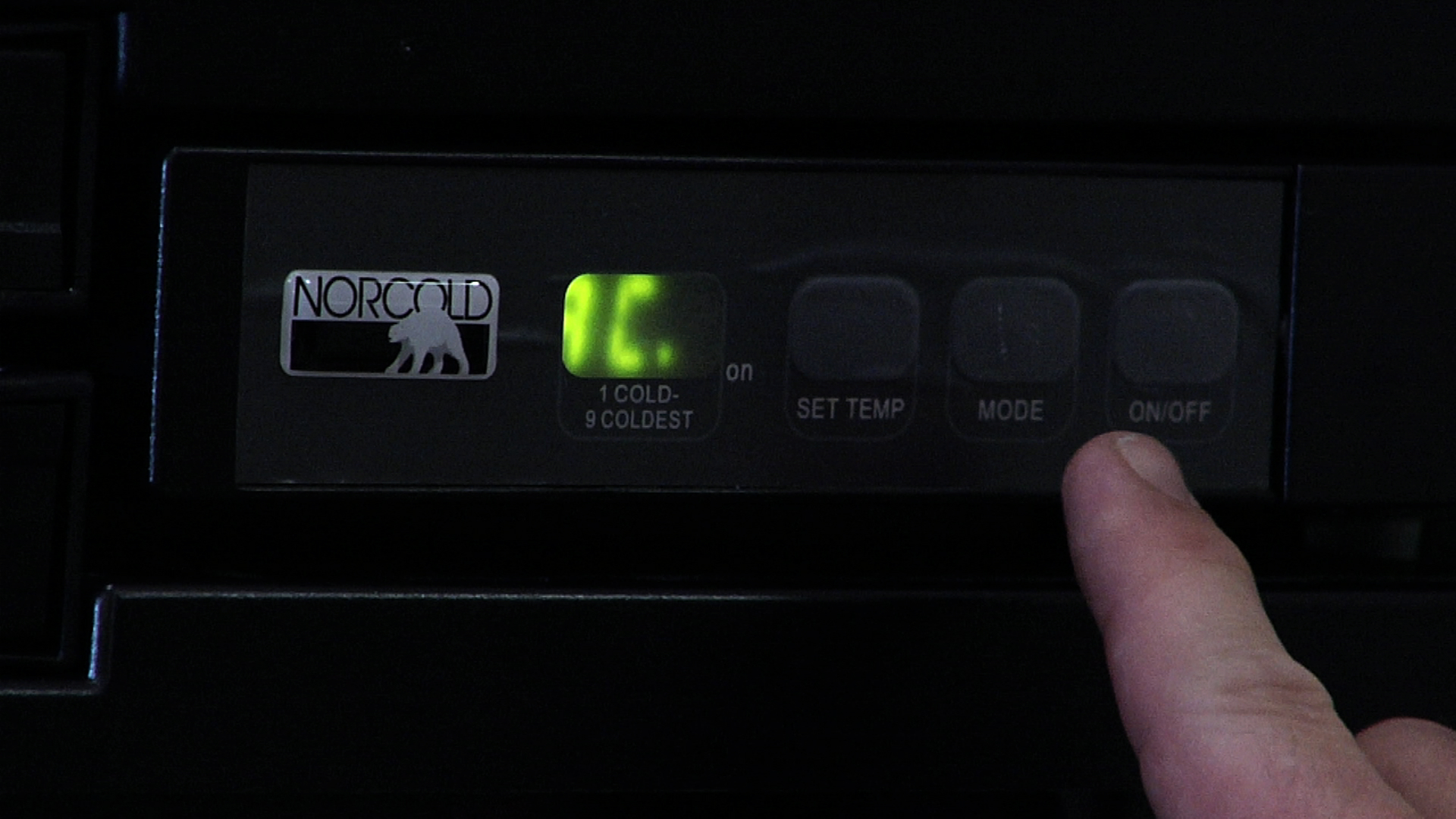
- Pressing the “on/off” button
- Resetting the fridge (hold the power button for 10 seconds)
- Looking for error codes (consult your model’s manual)
If error codes appear, note them. Some Norcold models display codes for things like “no cooling” or “no gas. ” Search these codes online or in your manual.
Examine Gas And Burner
If using propane:
- Smell for gas leaks (never use open flames near leaks)
- Clean the burner assembly with compressed air
- Check for spider webs or dirt
A blocked burner causes weak cooling. If you see a yellow flame instead of blue, clean the burner.
Look For Cooling Unit Leaks
A strong ammonia smell means a cooling unit leak. Check for yellow stains or oily residue near the back. If you find leaks, the cooling unit needs replacement—this is not a DIY job.
Test The Thermostat
Set your fridge to the coldest setting. Wait several hours. If there’s little or no change, the thermostat could be faulty. Some models let you test the thermostat by bridging two wires (check your manual for details).
Improve Ventilation
Behind every RV fridge is a vent. If blocked, heat can’t escape. Clear dust, leaves, or debris from the vent. Consider adding a fridge fan for better airflow, especially in hot weather.
Reset The Refrigerator
Some issues resolve with a simple reset. Turn off the fridge, wait five minutes, and turn it back on. For hard resets, unplug power for 10 minutes.
Check Door Seals
Air leaks from bad door gaskets cause cooling loss. Close the door on a piece of paper. If you can pull it out easily, the seal is weak. Replace gaskets if needed.
When To Call A Professional
Some repairs need expert help. If you notice:
- Persistent ammonia smell
- Burn marks near the burner
- Error codes you can’t clear
- Fridge completely dead despite power
Contact an RV technician or Norcold service center. Cooling unit repairs or control board replacements require special tools and knowledge. Trying to fix these yourself can be dangerous.
Maintenance Tips To Prevent Future Problems
Regular care keeps your Norcold fridge running longer. Here are practical tips:
- Clean burner and vents every 3 months
- Check power connections before every trip
- Inspect door seals annually
- Defrost freezer regularly to prevent ice buildup
- Monitor for unusual smells or noises
Many owners forget to check the fridge when winterizing their RV. Make it part of your checklist. Keeping the fridge slightly open during storage prevents mold and odors.
Common Mistakes Rv Owners Make
Even experienced RVers can overlook simple things. Here are mistakes to avoid:
- Running the fridge while the RV is not level: Absorption fridges need to be close to level. If tilted, cooling can stop.
- Using extension cords that drop voltage: Low voltage damages fridge electronics.
- Ignoring minor error codes: Early warnings can prevent big repairs.
- Overloading the fridge: Too much food blocks air circulation.
- Not reading the manual: Each Norcold model has unique features.
A non-obvious tip: Many RV owners don’t realize that high altitude affects propane burners. At elevations above 5,000 feet, the burner may need adjustment for proper flame.
Credit: www.rvrepairclub.com
Norcold Vs. Other Rv Refrigerator Brands
When your fridge fails, you might wonder if you should replace it with another brand. Here’s a quick comparison:
| Brand | Cooling Method | Reliability | Average Lifespan |
|---|---|---|---|
| Norcold | Absorption | Good | 8-12 years |
| Dometic | Absorption/Compressor | Very Good | 10-15 years |
| Furrion | Compressor | Good | 6-10 years |
Norcold is well-known for its durability and support network. If you replace your fridge, consider if you need a compressor model (better for off-grid use) or absorption (better for propane use).
Real-world Example: Troubleshooting Success
Imagine you’re parked in Arizona, and your Norcold fridge stops cooling. You check power—everything is fine. You inspect the burner and find spider webs blocking it. After cleaning, the fridge cools perfectly again.
Another owner had a fridge that ran but wasn’t cold enough. She realized the RV was parked on a slope. After leveling, the cooling improved within hours.
These examples show that simple fixes often solve big problems. Stay calm, use logical steps, and you’ll likely find the cause.

Credit: www.youtube.com
Frequently Asked Questions
Why Does My Norcold Fridge Work On Propane But Not Electricity?
This usually means the electric heating element is faulty or there’s a problem with the control board. Check for blown fuses and verify the heating element with a multimeter. If you’re not comfortable with electrical repairs, call a technician.
How Long Does A Norcold Rv Refrigerator Last?
Most Norcold fridges last 8–12 years with proper maintenance. Heavy use, poor ventilation, or frequent power surges can shorten lifespan. Regular cleaning and checking seals help extend life.
Can I Use My Rv Fridge While Driving?
Yes, Norcold fridges are designed to operate on both propane and 12V power while driving. Make sure the propane system is safe and the fridge is secure. Some states restrict propane use while moving—check local laws.
What Should I Do If My Fridge Smells Like Ammonia?
An ammonia smell signals a cooling unit leak. Turn off the fridge immediately, ventilate the area, and contact a professional. Leaks are dangerous and require replacement of the cooling unit.
Are Norcold Fridges Good For Off-grid Camping?
Yes, Norcold absorption fridges run efficiently on propane without needing shore power. However, for long-term off-grid use, consider adding solar panels to keep your batteries charged. Compressor fridges use less propane but need steady electricity.
Final Thoughts
A Norcold RV refrigerator not working is a common headache, but most problems have straightforward solutions. By understanding how your fridge operates and following step-by-step troubleshooting, you can fix many issues yourself. Don’t ignore simple maintenance—cleaning, checking seals, and monitoring power can prevent costly repairs. If you face complex or dangerous symptoms, call a professional. Your fridge is essential to comfortable RV living, so treat it with care and attention.
For detailed model-specific advice, visit the official Norcold support site: Norcold Support.
With this guide, you’re ready to tackle fridge troubles and keep your adventures cool—literally and figuratively.