
If you drive or manage Peterbilt trucks, you know how important the electronic systems are. One key part is the Central Electronic Control Unit (CECU). This module controls many functions in modern Peterbilt trucks, from dashboard displays to lighting and warnings. When the CECU fails or has problems, your truck can lose important features or even stop running correctly. Let’s dive deep into the most common Peterbilt CECU problems, their causes, symptoms, and real solutions—so you can keep your truck running safely and efficiently.
What Is The Peterbilt Cecu?

The CECU is the main computer that manages electronic functions in your Peterbilt truck. It connects sensors, switches, and other modules, making sure everything works together. For example, the CECU controls:
- Instrument panel functions
- Exterior and interior lighting
- Warning lights and alarms
- Data communication between truck modules
When the CECU works well, your truck runs smoothly. But when it fails, many systems can malfunction all at once.
Common Peterbilt Cecu Problems
CECU issues can be hard to spot, especially for beginners. Here are the most frequent problems owners and technicians report:
1. Instrument Cluster Failure
One of the most obvious signs of CECU trouble is instrument cluster failure. You might see:
- Blank or flickering screens
- Wrong speed or fuel readings
- Warning lights that won’t turn off
This usually happens because the CECU cannot communicate with the dashboard. Sometimes, the issue is a loose wire, but often it’s a deeper problem inside the CECU itself.
2. Lighting Malfunctions
The CECU controls all truck lighting. Common lighting problems include:
- Headlights or taillights not turning on
- Interior lights flickering or staying on
- Turn signals not working
These issues can be dangerous, especially at night. Lighting malfunctions often point to a faulty CECU or wiring harness.
3. Data Communication Errors
Peterbilt trucks use a network called CAN bus to connect the CECU and other modules. If the CECU fails, the CAN bus can stop working, leading to:
- Loss of communication with the engine or transmission
- Error codes on the display
- Sudden shutdowns
These errors can make diagnostics difficult. Sometimes, mechanics replace parts that aren’t broken, wasting money and time.
4. Warning Light Problems
Warning lights are meant to help you, but with CECU issues, you may see:
- Multiple warning lights on for no reason
- Lights that won’t reset after fixing the real problem
- No warning lights when something is wrong
This can lead to missed maintenance or unsafe driving. It’s a classic sign of CECU malfunction.
5. Power Loss Or No Start
In rare cases, a bad CECU can cause your truck to lose power or not start. You might notice:
- Engine cranks but won’t run
- Accessories don’t work
- Battery drains quickly
This is often the result of a short circuit or failed internal CECU component.
Causes Of Peterbilt Cecu Problems
Understanding the causes can help you prevent expensive repairs. Let’s look at the most common reasons CECUs fail.
Electrical Overloads
Peterbilt trucks have many electrical devices. Adding extra electronics or using bad wiring can overload the CECU, causing it to fail.
Water And Moisture Damage
The CECU is usually protected, but leaks or condensation can cause water damage. This often leads to corrosion and short circuits.
Vibration And Physical Damage
Trucks face constant vibration. If the CECU is not mounted securely, it can break or lose connections over time.
Software Glitches
CECU software updates can fix bugs, but sometimes they introduce new problems. Incorrect programming can cause malfunctions.
Manufacturing Defects
Occasionally, CECUs are faulty from the factory. These problems show up early, usually within the first year.
Symptoms: How To Spot A Bad Cecu
Recognizing CECU problems early can save you money and downtime. Here are key symptoms to watch for:
- Random dashboard errors (especially if they don’t make sense)
- Loss of lighting functions
- Multiple warning lights
- Truck shuts down for no reason
- Unresponsive switches or controls
- Inconsistent fuel or speed readings
Many beginners miss the pattern: if several unrelated systems fail at once, it’s likely a CECU issue.
Diagnosing Peterbilt Cecu Problems
Finding the cause of electronic issues is tricky. Here’s how experts approach CECU diagnosis:
- Check for error codes: Use a diagnostic scanner. Look for codes related to the CECU, CAN bus, or instrument cluster.
- Inspect wiring and connectors: Loose or corroded wires can mimic CECU failure.
- Test CECU outputs: Measure voltage at the CECU pins. If outputs are missing, the module may be bad.
- Swap CECU with a known good unit: If the problem disappears, you’ve found your culprit.
Here’s a quick comparison of common diagnostic tools:
| Tool | Function | Ease of Use | Cost |
|---|---|---|---|
| OBD-II Scanner | Reads error codes | Easy | Low |
| Multimeter | Checks voltage | Medium | Low |
| CAN Bus Tester | Tests communication | Medium | Medium |
| Dealer Diagnostics | Advanced checks | Hard | High |
Solutions And Fixes For Cecu Issues
Once you’ve found a CECU problem, what can you do? Here are practical solutions:
Replace The Cecu
The most common fix is to replace the CECU. This can cost $800–$1,500 plus labor. Make sure you get the right part number for your truck model.
Reflash Or Update Software
Sometimes, a software update can solve glitches. Dealers have special tools to reflash the CECU and fix bugs.
Repair Wiring And Connectors
If the issue is wiring-related, fixing corroded or loose connectors can restore function. This is cheaper than replacing the whole CECU.
Dry Out And Protect The Cecu
If you suspect moisture, dry out the unit and seal any leaks. Adding extra protection can prevent future issues.
Secure Mounting
Make sure the CECU is mounted tightly. Prevent vibration damage by checking fasteners regularly.
Here’s a table comparing repair options:
| Repair Option | Average Cost | Time Required | Success Rate |
|---|---|---|---|
| CECU Replacement | $1,500 | 2–4 hours | High |
| Software Update | $300 | 1 hour | Medium |
| Wiring Repair | $200 | 1–2 hours | High |
| Moisture Removal | $100 | 1 hour | Medium |
Preventing Peterbilt Cecu Problems
Prevention is always better than repair. Here’s how to keep your CECU healthy:
- Check for leaks: Regularly inspect for water near the CECU.
- Avoid overloading circuits: Don’t add too many accessories.
- Inspect wiring: Look for signs of wear or corrosion.
- Update software: Ask your dealer about new CECU updates.
- Secure the unit: Make sure the CECU is tightly fastened.
Many owners forget to check for leaks and vibration, but these are leading causes of CECU failure.
Real-world Examples
Truckers often share stories about CECU issues. For example, a driver reported that his Peterbilt’s dashboard went blank after a rainstorm. The problem turned out to be a leak above the CECU. After drying the unit and sealing the leak, the truck worked normally.
Another fleet manager noticed several trucks with lighting issues. Investigation showed that a batch of CECUs had a manufacturing defect. Replacing the modules solved the problem.
These examples show the importance of quick diagnosis and proper repairs.
When To Seek Professional Help
Some CECU problems are easy to fix, but others require expert attention. If your truck:
- Won’t start
- Shows multiple errors
- Loses communication with key modules
It’s best to visit a Peterbilt dealer or certified repair shop. They have the tools and training to handle complex electronic problems.
Comparison: Peterbilt Cecu Vs Other Truck Ecus
How does the Peterbilt CECU compare to other brands? Here’s a quick look:
| Brand | Module Name | Common Issues | Repair Cost |
|---|---|---|---|
| Peterbilt | CECU | Lighting, dashboard, CAN bus | $1,500 |
| Freightliner | VECU | Starter, lighting, gauges | $1,200 |
| Kenworth | BCU | Instrument cluster, power windows | $1,400 |
Peterbilt CECU problems are similar to other brands, but repair costs are often a bit higher.
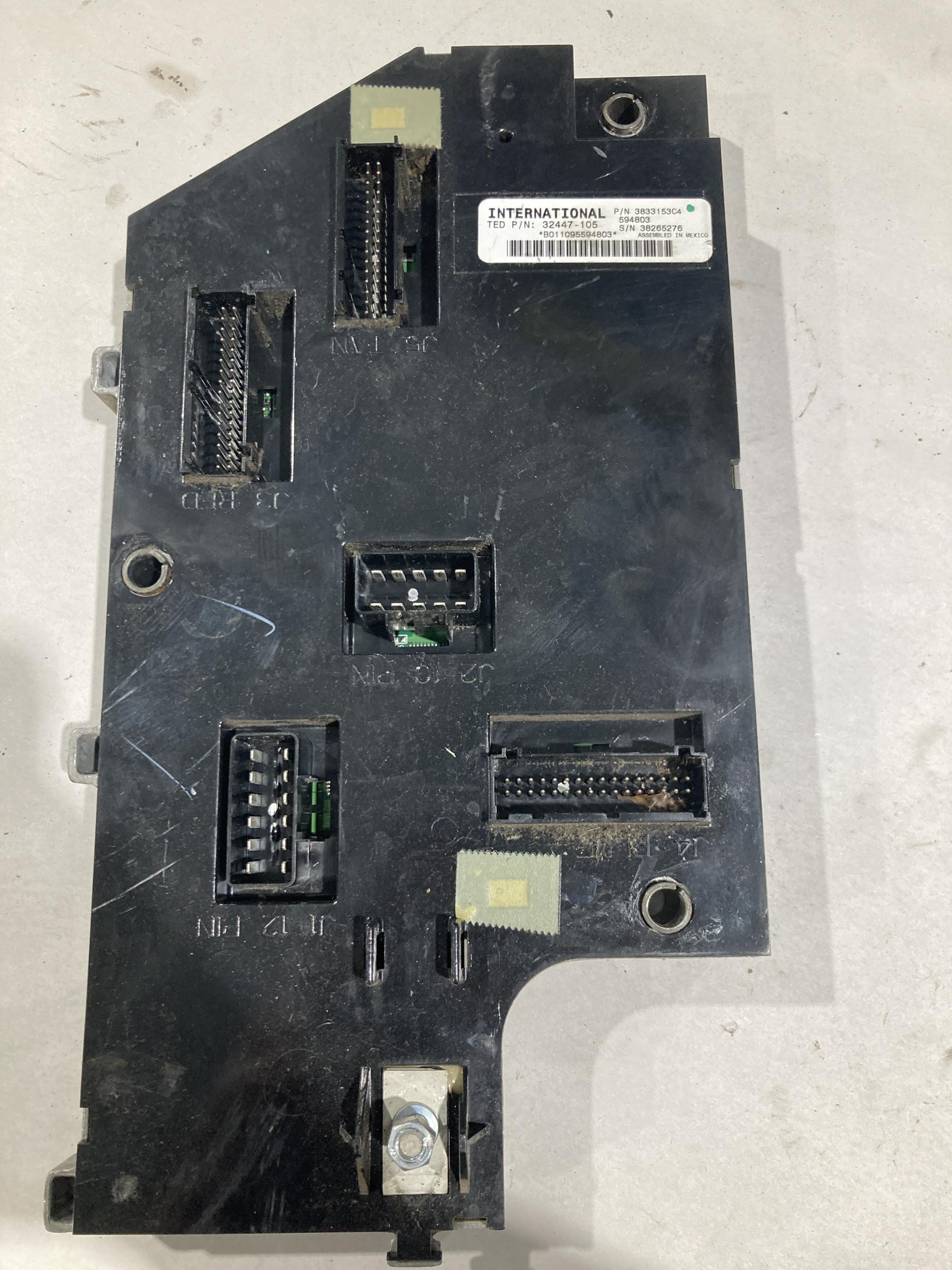
The Importance Of Reliable Electronics In Heavy Trucks
A reliable CECU is not just about comfort—it’s about safety and efficiency. When electronic controls fail, you risk breakdowns, missed deliveries, or even accidents. Fleet managers should track CECU repairs and watch for patterns. Early action can prevent major losses.
For more technical details on truck electronics, you can check Wikipedia’s truck technology page.
Frequently Asked Questions
What Does The Peterbilt Cecu Control?
The CECU manages many electronic functions, including the instrument panel, lighting, warning systems, and communication between truck modules.
How Do I Know If My Cecu Is Failing?
Look for multiple system failures at the same time. For example, if the dashboard, lights, and warning signals stop working, it’s likely a CECU issue.
Can I Repair A Cecu Myself?
Most repairs require special tools and knowledge. Simple wiring fixes are possible, but replacing or reprogramming the CECU is best done by professionals.
How Much Does It Cost To Fix Cecu Problems?
Repair costs vary. CECU replacement can cost $1,500 or more. Software updates and wiring repairs are cheaper, usually under $300.
Is It Safe To Drive With A Bad Cecu?
Driving with a faulty CECU can be dangerous. You may lose important functions like lighting or warnings. It’s best to fix the problem before driving long distances.
Modern Peterbilt trucks depend on their CECU for smooth operation. Understanding the symptoms, causes, and solutions to CECU problems can save you time and money. Regular checks, quick diagnosis, and proper repairs are key to keeping your truck safe and reliable.
If you suspect a CECU issue, act quickly—your truck and your safety depend on it.