
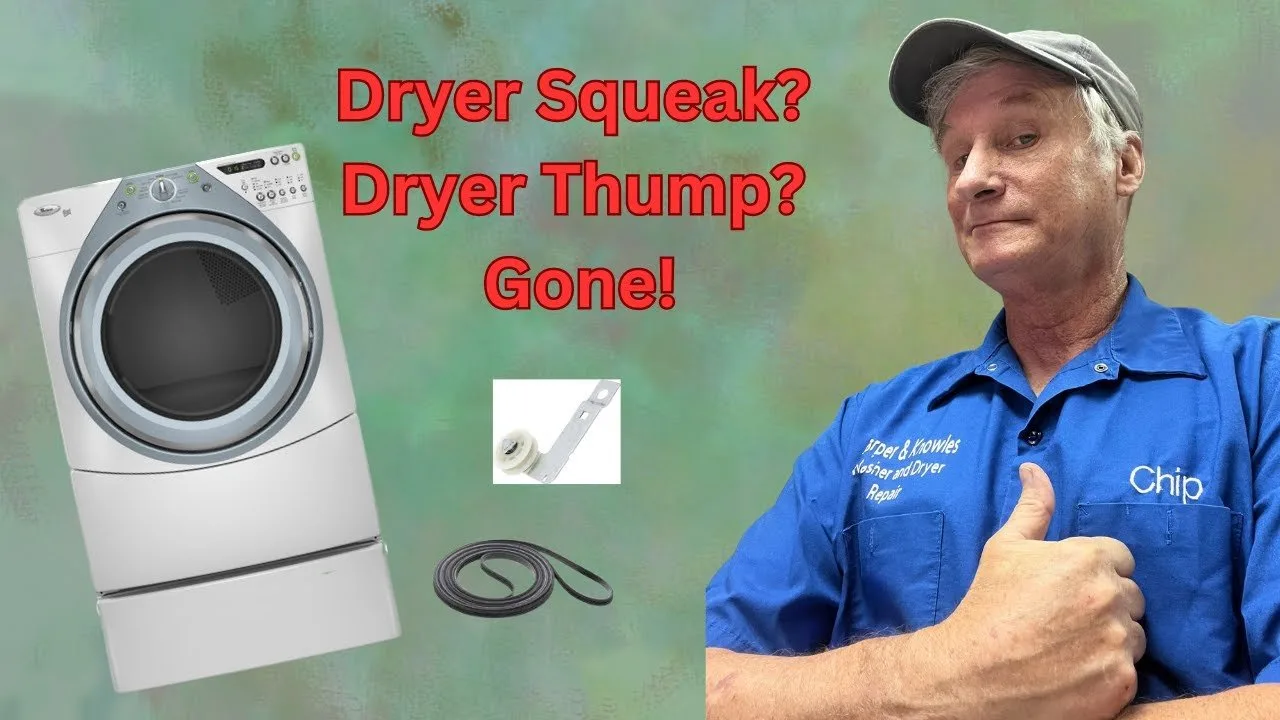
A worn belt or a dry idler pulley causes a Whirlpool Duet Dryer Squeaking sound during the rotation cycle. You must unplug the machine before inspecting any internal parts to prevent electrical shock. If you hear a high-pitched metal-on-metal noise, the drum rollers are likely failing; if the sound is a rhythmic thump or squeal, the issue usually points to the drive belt or the tension pulley.
Initial steps for a Whirlpool Duet dryer squeaking

-
Empty the dryer completely. Remove every garment, coin, or loose button from the drum. If you hear a rhythmic clicking or metallic tapping, it’s likely just an object caught in the baffles rather than a mechanical failure.
-
Run an empty test cycle. Set the machine to a 5-minute “Air Fluff” cycle. If the squeak persists without heat, the issue lies in the drum rollers or the belt.
-
Check the drum gap for debris. Use a high-lumen flashlight to inspect the thin gap between the front drum lip and the door seal. If you see lint buildup or a stray paperclip, remove it with needle-nose pliers. Leaving this debris in place can cause permanent scoring on the drum finish.
-
Inspect the rear exhaust vent. A restricted vent forces the motor to work harder, creating a high-pitched whine that mimics a mechanical squeak.
What is actually happening
The rotating assembly of your dryer relies on several moving parts that require smooth contact to operate silently. The most common culprit is the idler pulley, which keeps the drive belt tight. Over time, the lubricant inside the pulley bearing dries out or collects lint, causing the metal to grind against the shaft. This creates a persistent squeak that often gets louder as the dryer heats up.
Another frequent cause involves the drum support rollers. These wheels hold the drum in place as it spins. If a roller becomes flat-spotted or the axle dries out, it will struggle to rotate, resulting in a chirping or squeaking noise. Because these rollers are located at the rear of the unit, they’re often exposed to heat and moisture, which breaks down the grease over many years of use.
A simple test determines if the rollers are the issue: remove the belt and spin the drum by hand. If you hear a rhythmic clicking or feel resistance, the rollers are failing. Ignoring this leads to the drum dragging, which eventually burns out the motor.
The drive belt itself can also produce noise if it’s cracked, frayed, or slipping on the motor pulley. While a loose belt typically produces a thumping sound, a belt that has become glazed or hard due to heat will squeal against the drum.
If the noise is a deep grinding sound rather than a squeak, this often indicates that the motor bearings themselves are failing. This is a more significant mechanical failure that usually requires a complete motor replacement rather than a simple part swap. Check for a loose set screw or a cracked plastic hub. If the blower wheel wobbles when you push it, replace it immediately to prevent catastrophic damage to the motor housing.
Check these, cheapest first
Check the door seal
Inspect the felt seal around the door opening for wear or bunching. If the seal is loose, it will drag against the drum, causing a rhythmic rubbing noise. A good seal should sit flat against the frame; if it’s frayed or detached, it needs to be replaced.
Clear the lint filter
Pull out the lint trap and look into the housing for any debris or buildup. A blocked filter forces the blower motor to work harder, which can create a whining sound. If the screen is clogged with residue, wash it with warm water and soap to restore airflow.
Inspect the drum rollers
Rotate the drum by hand while the dryer is unplugged and listen for a “click” or a “grind” from the rear. Smooth rotation means the rollers are fine. If you feel resistance or hear a grinding sound, the rollers are likely worn and require replacement to stop the friction.
Examine the idler pulley
Look at the pulley assembly near the motor to see if it spins freely without wobble. A healthy pulley should move easily with your finger. If it feels stiff or makes a screeching sound when you spin it, the bearing has failed and the pulley must be replaced.
Verify belt condition
Check the drive belt for cracks, missing ribs, or signs of glazing on the underside. A healthy belt should be flexible and show no signs of fraying. If the belt looks brittle or has thin spots, it will squeak as it travels over the pulleys.
The fix
Replacing a worn idler pulley or a set of drum rollers is the standard fix for a squeaking dryer. First, you must disconnect the power and move the dryer away from the wall to access the back or front panels. You’ll need a screwdriver and a putty knife to release the spring clips holding the top and front panels in place. Once the drum is exposed, remove the belt from the idler pulley and slide the drum out of the cabinet.
Before you start, perform the “wiggle test.” Grab the drum and shift it vertically. If you feel more than a quarter-inch of play, the support rollers are likely flattened or seized. If the drum feels firm but the noise persists, the idler pulley is the primary suspect.
If the rollers are the issue, use a wrench to remove the axle nut and pull the old roller off. Clean the shaft thoroughly with a dry cloth before installing the new roller. Don’t apply grease to these shafts; most modern rollers use self-lubricating nylon that attracts dust and binds if coated in oil.
If the idler pulley is the source, replace the entire pulley and spring assembly. Ensure the new belt is properly seated in the grooves of the drum and the motor pulley. A successful repair is confirmed when the drum spins silently by hand before you reassemble the cabinet. Always verify the belt tensioner moves freely; if it sticks, the belt will slip and create a high-pitched burning smell.
Where this stops being a DIY job
You should stop and call a professional technician if you find that the noise is coming from the drive motor itself or if the internal wiring appears damaged or burnt. Accessing the motor or testing electrical components like the start relay involves working near high-voltage connections that can hold a dangerous charge even when unplugged.
A professional will have the proper diagnostic tools to verify if the motor windings are shorted or if the centrifugal switch has failed. Don’t attempt to open the motor housing or bypass any safety interlocks. Doing so voids your warranty and poses a significant risk of electrical injury or fire.
The decision rule is simple: if the machine hums but the drum refuses to rotate despite a clear belt, the motor or capacitor has likely failed. If you smell ozone or see black scorch marks on the terminal block, stop immediately. These signs indicate a thermal overload that could cause a house fire if the unit is restarted.
When you call a technician, tell them you have already checked the rollers and the idler pulley for debris. This helps them focus on testing the motor and blower assembly immediately upon arrival, saving you at least one hour of diagnostic labor fees.
Frequently asked questions
Photo: www.reddit.com on Google
Can I spray lubricant on the rollers to stop the squeak?
No, you should never use oil or spray lubricant on dryer rollers. Lubricants attract lint and dust, which turn into a thick, sticky paste that eventually causes the rollers to seize up completely. If the rollers are squeaking, the internal grease has already dried out, and the only correct solution is to replace the rollers with new parts designed for your specific model.
Is it safe to keep using a squeaking dryer?
No, it isn’t recommended to use a squeaking dryer because the noise is a warning sign of friction. If left unaddressed, the friction will generate excessive heat, which can damage the drum or even start a fire if lint accumulates near the overheated components. The cost of replacing a belt or a pulley is much lower than repairing a damaged drum or motor caused by continued operation.
How long does a dryer belt usually last?
A dryer belt typically lasts for several years, depending on how often you use the machine and the size of the loads you dry.
What happens if I ignore the squeaking?
If you ignore the squeaking, you risk a total mechanical failure that could leave your dryer inoperable during a cycle. A failing roller can eventually snap the drive belt or cause the drum to misalign, which can scratch the interior coating of the drum. Once the drum is damaged, the cost of repair often exceeds the value of the appliance, making a simple squeak a very expensive mistake.
Does it matter if the squeak is rhythmic?
Yes, a rhythmic squeak usually indicates a problem with a specific rotating part, such as a flat spot on a roller or a kink in the belt. If the sound happens exactly once per rotation, the issue is likely a single drum roller or a piece of debris stuck to the drum surface. A constant, high-pitched whine, however, usually points to the motor or the idler pulley bearing.
Final Thoughts
If you aren’t comfortable taking the machine apart yourself, it’s best to call a local appliance technician for help. They’ll have the right tools to swap out those worn parts quickly. Don’t ignore the noise, as fixing it early won’t just stop the racket; it’ll keep your dryer running smoothly for years.
Related guides
- Dryer Squeaking: Top Causes and How to Fix It Fast
- Amana Dryer Squeaking Noise: Quick Fixes and Expert Tips
- Whirlpool Cabrio Dryer Squeaking: Quick Fixes and Solutions