
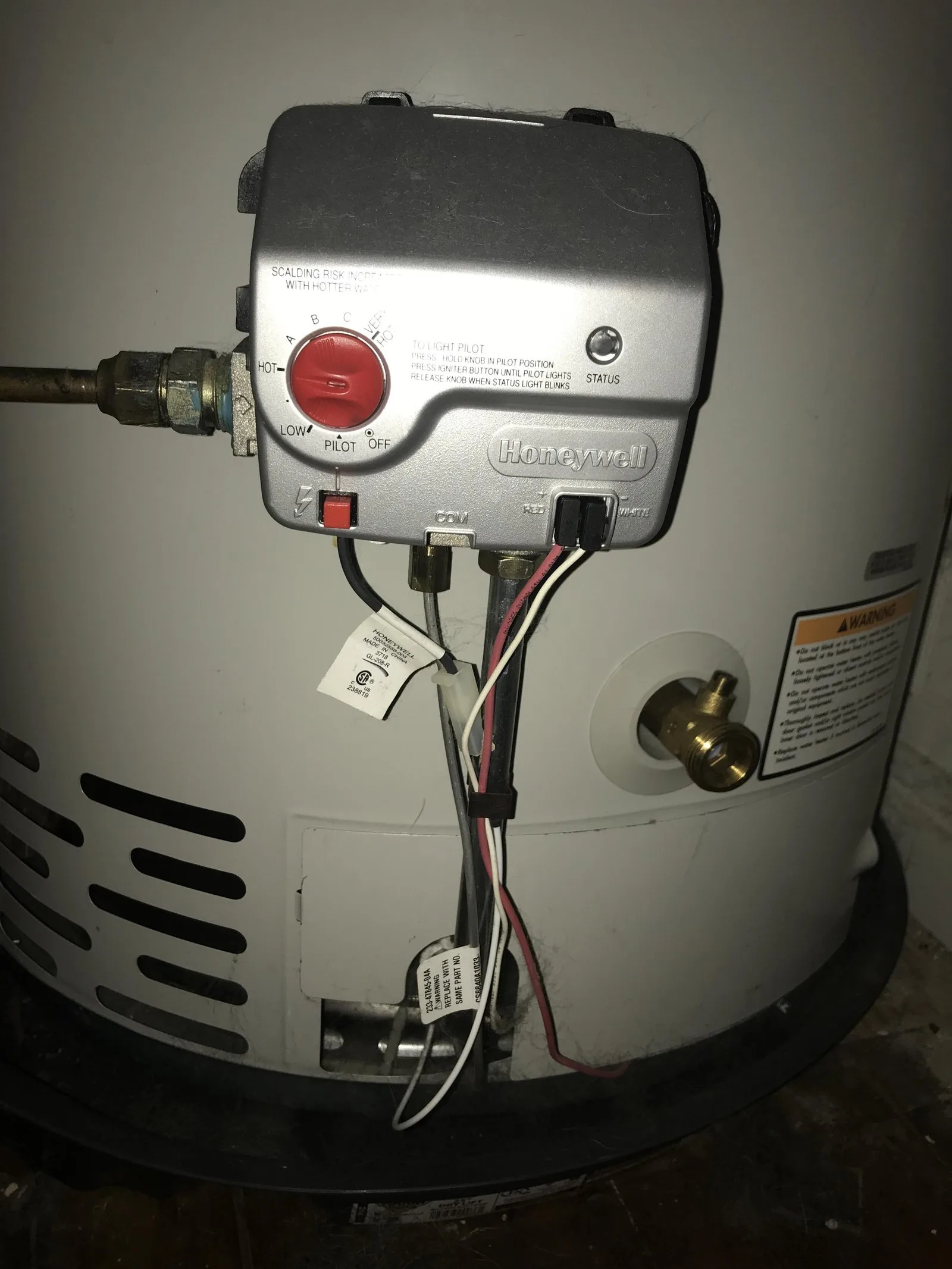
A leak detection sensor is usually the cause of a Water Heater Beeping, signaling that moisture has reached the unit. Check the area immediately; if you see water, turn off the power or gas supply. If the floor is dry, the sensor might be wet from condensation or a faulty probe, but you must verify this to avoid damage.
Why your water heater is beeping
| What you notice | What it usually means | What to do first |
|---|---|---|
| Beeping with error code | Specific component failure | Check the user manual |
| Beeping after heavy use | Temperature limit reached | Check the thermostat setting |
If you hear a steady, constant beep, verify the moisture sensor at the base of the unit. Many owners mistake a high-humidity environment for a leak. If the floor is dry, inspect the sensor pins for oxidation.
For fast chirping, replace the battery immediately. Most units use a 9-volt lithium cell. Don’t use alkaline batteries, as they often fail within three months under high-drain conditions.
If you see an error code, note the exact alphanumeric string before resetting. A common mistake is resetting the panel before recording the code, which wipes the diagnostic memory. This costs you the ability to identify if a specific valve or relay is failing.
Moisture detection and leak alerts
The most common reason for a persistent alarm is the activation of the leak detection sensor, which is a safety feature designed to prevent flooding. When water touches the sensor, it completes an electrical circuit, triggering the internal alarm to notify you of a potential plumbing failure. This mechanism is standard on many modern units to protect your home from significant water damage.
To confirm this, look for water pooling around the base of your tank. If you see standing water, it means your tank or a nearby pipe has a leak. If the floor is dry, check the sensor probe itself. Sometimes, high humidity or condensation dripping from a cold-water pipe can trick the sensor into thinking there’s a leak. You can dry the sensor with a paper towel and see if the noise stops. If the beeping persists after you dry the area and the sensor, the sensor may be faulty or permanently damaged by moisture.
If you have a leak, you must shut off the water supply to the unit by turning the intake valve clockwise. This stops more water from entering the tank. If you suspect the tank itself is leaking, contact a professional plumber immediately, as this usually requires a full unit replacement. If the sensor is simply faulty, most manufacturers allow you to replace just the probe without needing to work on the tank’s electrical or gas components. Always check the official manufacturer support guidance for your specific model to understand if a sensor reset is required after it has been dried.
Low battery or power issues
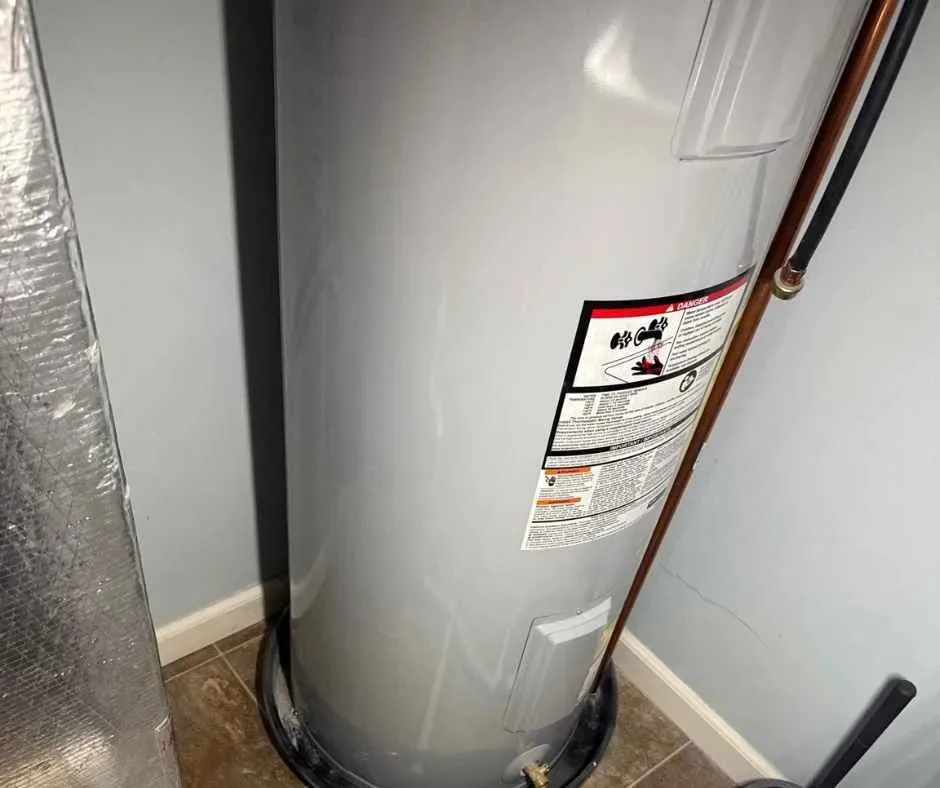
A rapid chirping sound often indicates that the battery in your leak detector or control module is dying. Much like a standard smoke alarm, these sensors use small batteries that need to be changed every 1 to 2 years, depending on the usage and the specific model. If you haven’t changed the battery in a long time, this is the most likely culprit.
To fix this, locate the battery compartment on the sensor or the control unit attached to the side of the heater. You’ll typically need a small screwdriver to open the cover. Replace the old battery with a fresh one of the exact same type, such as a 9-volt or a CR123A, as specified on the label inside the cover.
If the unit is hardwired into your home’s electrical system and continues to beep after a power outage, it might be signaling a communication error. In this case, perform a hard reset by turning off the circuit breaker for 30 seconds and then turning it back on. If the beeping returns after a reset, the internal control board may have been damaged by a power surge. This is a common mistake; many people assume a surge-damaged board will still function, but it often leads to erratic sensor behavior. If the unit remains unresponsive or continues to chirp after a battery swap and a reset, you have reached the limit of what you can safely do. Don’t attempt to open the main electrical housing or touch any internal wiring, as this is restricted to licensed technicians.
Control board and sensor errors
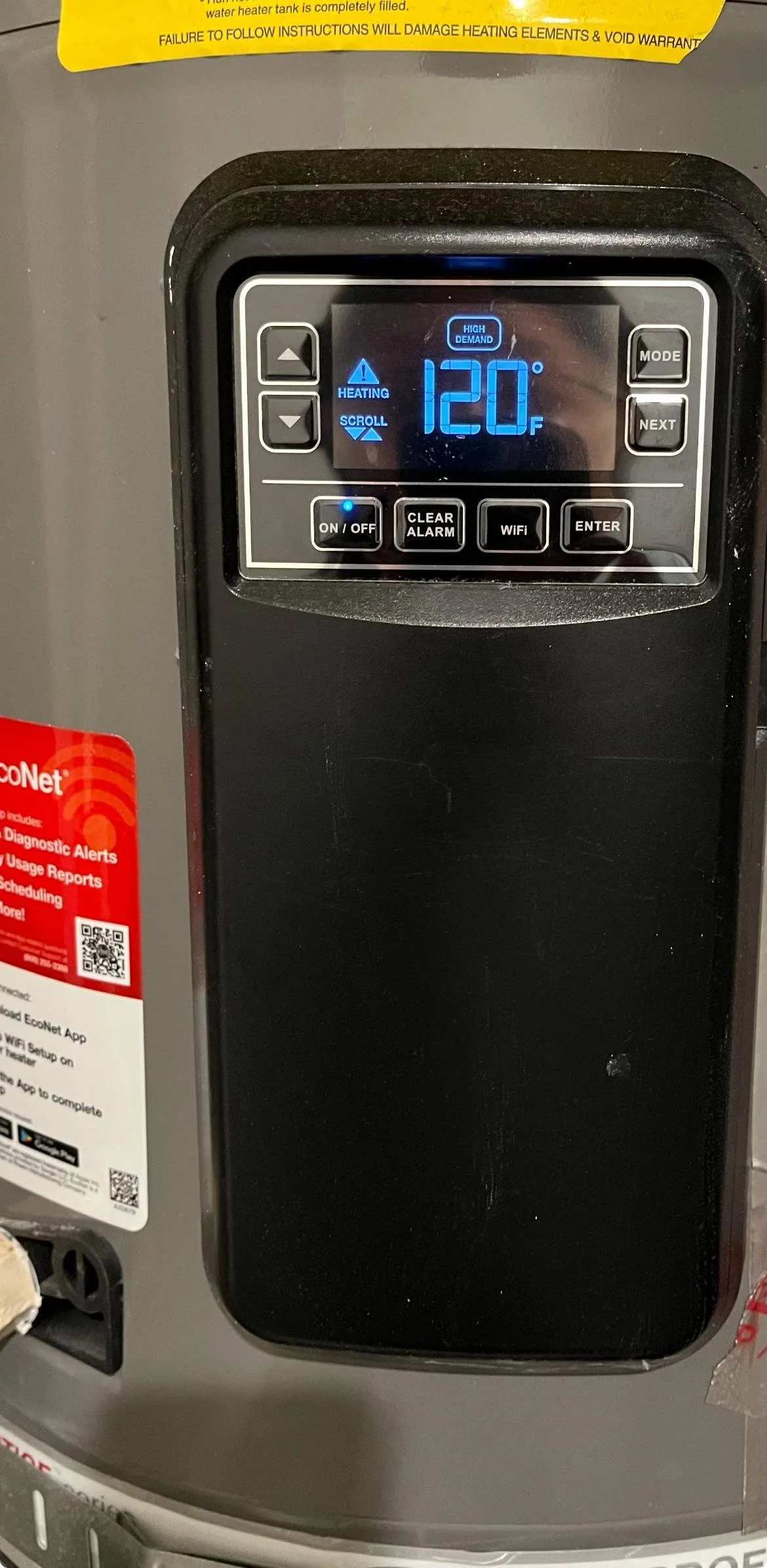
When your heater emits a single beep at long, consistent intervals, it’s often communicating a diagnostic error code. This is different from the rapid chirping of a dead battery or the constant alarm of a leak. Many modern digital displays will show a letter and a number combination, such as “E01” or “F4,” on the screen.
These codes are specific to the brand and model of your heater. If you see a code, refer to your owner’s manual to translate what the system is trying to tell you. If you don’t have the manual, look for the model number printed on the side of the tank and search for it on the manufacturer’s website. Common errors often relate to the temperature sensor, known as a thermistor, or a failed ignition sequence in gas models.
You can try to clear these errors by performing a power cycle. Turn the breaker off, wait for the capacitors to discharge fully, and turn it back on. This takes about 5 minutes. If the code reappears immediately after the system boots up, the component identified by the code likely needs replacement. If the beep isn’t accompanied by any code, the control board itself might be failing. This is a technical issue that requires a professional to diagnose, as it involves testing electrical continuity within the unit’s sealed components. Avoid touching any electrical terminals, as they can hold a dangerous charge even when the power is off.
When to stop and get help
You must stop working on your heater and call a professional plumber or a qualified technician if you encounter these conditions:
- Water is leaking from the tank: This indicates a structural failure that can’t be repaired by a homeowner.
- The smell of gas: If you notice a rotten egg smell, leave the building immediately and call your gas provider from a safe location.
- Burned wiring: If you see melted insulation or smell burning plastic, don’t touch the unit, as this is a fire hazard.
- The unit produces no hot water: A total loss of function combined with beeping usually means a major component, like the control board or heating element, has failed.
- Electrical sparks: If you see any sparking or hear popping sounds coming from the control box, shut off the power at the main breaker and leave it off.
Attempting to repair internal electrical components or gas lines without proper training is dangerous and may void your warranty or violate local building codes.
Frequently asked questions
Can I silence the beeping without fixing the problem?
No, you shouldn’t silence the alarm without addressing the cause. The beeping is a safety notification for a reason, and ignoring it could lead to significant water damage or a fire hazard. If the sensor is triggering due to high humidity, you can address the environment, but don’t disconnect or disable the alarm system permanently, as it’s a critical safety feature for your property.
How long does a water heater battery last?
Most leak detection sensors use batteries that last for a limited time as they age, depending on the model and the frequency of alerts. You should check the manufacturer’s documentation for your specific device to see the recommended replacement schedule. If you live in an area with high humidity, these batteries may drain faster because the sensor works harder to monitor for moisture.
Is it safe to use the water if it’s beeping?
It’s safe to use the water if the beeping is caused by a low battery or a non-critical sensor error, provided there’s no active leak or gas smell. However, if the beeping is related to a temperature sensor fault or a heating component error, the unit may not be heating the water properly. Always verify the source of the noise before assuming the water is safe to use.
What happens if I ignore the beeping?
Ignoring the beeping can lead to undetected leaks that cause structural damage to your floors and walls. If the sound is caused by an internal electrical fault, it could lead to a complete system failure, leaving you without hot water. In some cases, ignoring electrical warnings can result in a fire, so it’s best to investigate the cause as soon as you hear the noise.
Does it matter if the beeping is intermittent?
Yes, intermittent beeping is often a sign of a failing component or a loose connection in the control system. While a constant beep usually points to an active leak or a triggered sensor, intermittent chirping suggests the system is struggling to perform a task, such as maintaining a set temperature or completing an ignition cycle. You should check the display for error codes to identify the specific issue.
Why is my water heater beeping after a power outage?
Your water heater may beep after a power outage because the control board is performing a self-diagnostic test or resetting its internal memory. This is common in digital units. If the beeping doesn’t stop after 10 to 15 minutes, perform a manual reset by turning the breaker off and on again. If it continues, the surge may have caused a system error that requires a professional.
Final Thoughts
If the noise persists after you’ve checked for leaks, don’t hesitate to call a local plumber. It’s better to be safe than sorry when dealing with your home’s infrastructure. They’ll have the right tools to diagnose the issue quickly, so you won’t have to worry about a cold shower tomorrow morning.