
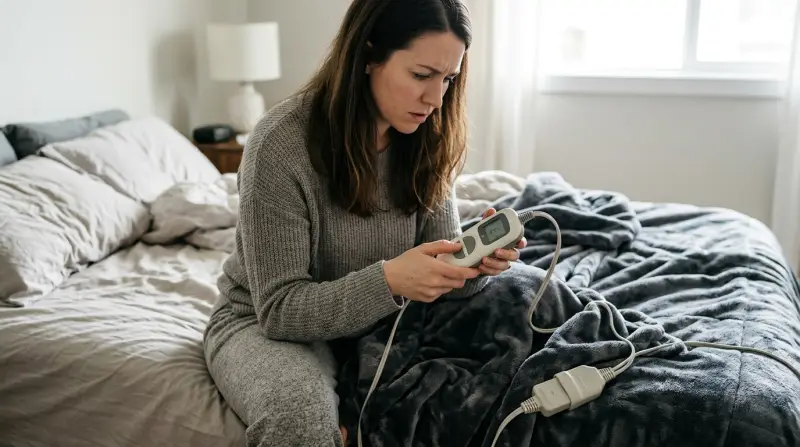
A loose power connection or a tripped safety sensor is the most common reason for a Brookstone Heated Blanket not working, occurring in the vast majority of cases. Confirm this by checking that the controller plug is fully seated and the outlet has power. If the unit remains cold, the internal safety circuitry may have engaged, requiring a full power reset to clear.
Why your Brookstone Heated Blanket Not Working
| Cause | How common | How to confirm it | Fix it yourself? |
|---|---|---|---|
| Loose plug | Very common | Check the blanket port | Yes |
| Tripped sensor | Common | Reset the controller | Yes |
| Blown outlet | Common | Test with lamp | Yes |
| Damaged cord | Occasional | Look for fraying | No |
| Internal wire break | Occasional | Feel for cold spots | No |
| Controller failure | Rare | Test on different outlet | No |
Most users assume a cold blanket means a broken heating element, but the majority of failures stem from the plug connection. If the blanket feels cold, wiggle the connection at the blanket’s base while the controller is set to high.
Distinguish a tripped sensor from a blown outlet by checking the controller’s display. If the screen is blank, the issue is power delivery. If the screen is lit but the blanket remains cold, the safety sensor has likely tripped due to overheating. If the unit still fails, test it on a different circuit. If it works there, your wall outlet has a tripped GFCI breaker, which costs nothing to reset but will leave you without heat until addressed.
Safety: Inside a mains-powered machine, the parts behind the outer cover can hold a dangerous electrical charge even after it has been unplugged — that’s why they sit behind a cover. Opening the housing, or testing or replacing anything behind it, is a job for a qualified technician, never a home repair.
Power connection and reset steps
The most frequent culprit is a simple physical disconnection between the control unit and the heating element. These blankets use a detachable controller to allow for machine washing, but the locking tabs can loosen over time or may not have been clicked into place fully during initial setup. A loose connection prevents the electrical circuit from completing, which stops the blanket from drawing power.
To test this, disconnect the plug from the blanket port entirely and inspect both the pins and the socket for debris or bent metal. If everything looks clean, push the connector back into the port until you feel a firm click or see the locking mechanism engage fully.
If the connection is secure but the controller display remains blank or flashes an error, the blanket’s internal safety sensor has likely triggered a lockout. This happens to prevent fire hazards if the blanket was bunched up or folded during use, as noted in the Consumer Product Safety Commission guidance on heating equipment. To reset the system, unplug the controller from the wall outlet and leave it disconnected for at least ten minutes. Plug the controller into the wall first, then ensure the blanket is laid flat before turning it on. If you’re using a long extension cord, remove it and plug the blanket directly into a wall outlet, as thin extension cords often can’t handle the power draw required for heating.
Electrical supply and outlet issues
If the controller shows no lights at all, the issue might not be the blanket but the wall outlet itself. Many homes have GFCI outlets or circuit breakers that trip when they detect a power surge or an imbalance, which is common with high-wattage heating devices. You can tell if this is your problem if the blanket suddenly stopped working while other items in the same room also lost power or if the outlet feels unresponsive to other devices.
To verify this, unplug the blanket and plug a known working lamp or phone charger into the same wall outlet. If the lamp doesn’t turn on, the outlet is the source of the problem. Check your home’s main breaker panel to see if a switch has flipped to the “off” or “middle” position. If you find a tripped breaker, flip it all the way to the “off” position and then back to “on” to restore power.
If the outlet works fine, try plugging the blanket into a different outlet in a separate room. This helps you rule out a localized electrical fault. If the blanket works in one room but not another, the first outlet may have worn-out contacts that can’t grip the blanket’s plug tightly enough. This varies by model — check the label on your specific controller for the required voltage, as some heavy-duty blankets require a dedicated circuit to operate at full capacity without tripping the house breaker.
Internal component failure and wear
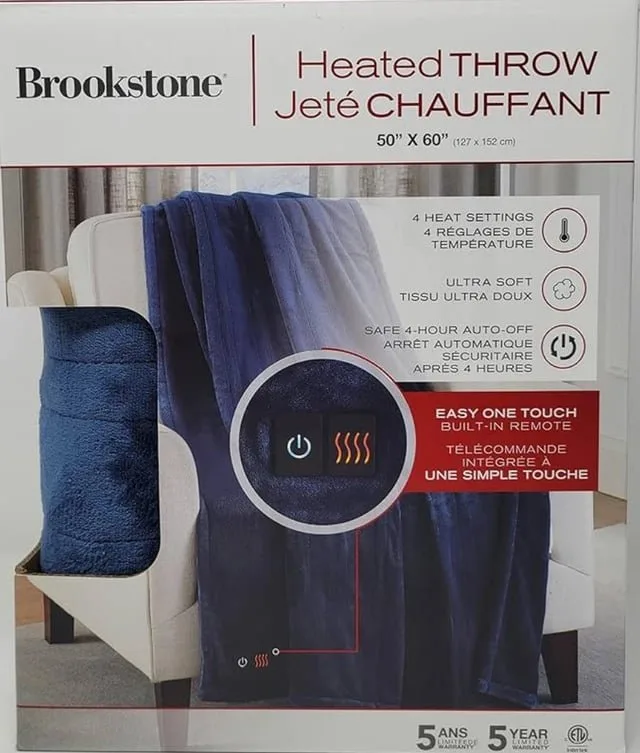
Internal wire breakage occurs when the heating elements inside the fabric are bent, crushed, or folded repeatedly over time. You can distinguish this from a power issue because the controller will usually light up, but the blanket will only heat in specific zones or not at all. If you notice that one side of the blanket stays cold while the other side warms up, or if you feel a physical “kink” or lump in the fabric that doesn’t flatten out, the internal wiring has likely snapped.
This is a permanent mechanical failure. If you find a cold spot, don’t attempt to open the fabric or sew across the area, as this can pierce the heating wires and create a dangerous short circuit. If the blanket is under a manufacturer’s warranty, check your original purchase documentation for instructions on how to file a claim. If it’s out of warranty, the safest choice is to discontinue use immediately.
If the controller itself is the problem—for instance, if it makes a buzzing sound or displays an unreadable code—you should stop using it. Most modern controllers are sealed units that can’t be opened without destroying the plastic housing. If you’re comfortable testing the blanket with a spare controller from an identical, working unit, you can do so, but never use a controller from a different brand or model, as the electrical requirements won’t match.
The less likely causes
-
Washing machine damage: The blanket was washed without securing the port, allowing water to corrode the internal pins. If you see green or white crusting inside the connector, the unit is permanently compromised.
-
Pet chewing: A small tear in the outer fabric suggests a pet may have damaged the internal wires. This is a significant fire risk; if the insulation is breached, stop using the blanket immediately.
-
Overheating protection: The blanket was used under a heavy comforter, causing the thermal fuse to blow permanently. This is a non-repairable safety feature designed to prevent combustion.
-
Voltage mismatch: The blanket is a 120V model being used in a region with 220V power. This instantly destroys the control board. Always check the label on the back of the controller before plugging it into a foreign outlet.
What a fix usually involves
Fixing a heating blanket is rarely a matter of a simple repair. If the issue is a loose connection, the fix is free and takes only a few seconds of your time. If the issue is a tripped circuit breaker, the cost is also zero, provided you have access to your home’s electrical panel.
However, if the failure is internal, the costs grow quickly. Most modern heated blankets are designed as integrated units. This means that if the heating element or the control board fails, the entire blanket must be replaced. A small part like a replacement controller is rarely sold separately by manufacturers due to safety liability, and even if you find one, it’s often most of the price of a new unit. Before spending money, check the manufacturer’s official website for their specific warranty policy. You’ll need your model number and proof of purchase to see if you qualify for a free replacement. If the blanket is out of warranty, it’s almost always safer and cheaper to buy a new one than to pay for professional electrical repair.
Frequently asked questions
Can I fix a broken heating wire myself?
No, you should never attempt to repair broken heating wires inside the blanket. These wires are insulated to prevent fire and electric shock, and any home repair like soldering or taping will fail to maintain that safety standard. If you feel a break in the wire, the blanket is no longer safe to use and must be replaced immediately to avoid the risk of localized overheating or fire.
Is it safe to use a blanket that has a burnt smell?
No, stop using the blanket immediately if you smell burning or notice any discoloration on the fabric. A burnt smell indicates that the internal insulation has failed and the wires are overheating or arcing. Disconnect the power at the wall outlet first, then unplug the controller from the blanket. Don’t try to turn it on again, as this is a clear sign of a significant electrical hazard.
How long should a heating blanket last?
Factors like how often you fold the blanket, whether you leave it on for long periods, and how carefully you follow the washing instructions will determine if your blanket lasts toward the longer end of that range.
What happens if I wash my blanket too often?
Washing a heated blanket too frequently can damage the internal heating elements and the delicate connections at the controller port. Even when following the machine-wash instructions, the mechanical stress of the drum can weaken the wiring over time. If you must wash it, use the gentlest cycle available, avoid high-heat drying, and always ensure the connection port is completely dry before you plug the controller back in to use it.
Does it matter if I leave the blanket on all night?
Yes, it matters for both your safety and the longevity of the device. Most modern blankets include an auto-off timer, usually set to shut down after ten hours, but leaving it on every night increases wear on the internal components. Check your specific controller manual to see if your model has an automatic shut-off feature, and always ensure the blanket isn’t covered by heavy pillows that could trap heat.
Final Thoughts
If your blanket still doesn’t warm up after these checks, don’t worry. It’s likely time to reach out to the manufacturer’s customer support team for a potential warranty claim. They’ll help you determine if the unit is faulty, so you can get back to staying cozy as soon as possible.