
An Ipass Sticker Not Working is usually caused by improper placement on your windshield or a low battery. The device often fails to communicate with toll sensors if blocked by metal-heavy tinting or positioned too far from the rearview mirror. To confirm the issue, check your account status online for missed charges or inactive device status.
Why your Ipass sticker not working

| Cause | How common | How to confirm it | Fix it yourself? |
|---|---|---|---|
| Incorrect mounting | Very common | Check for visual obstruction | Yes |
| Dead internal battery | Common | Check account device status | No |
| Metal-based windshield tint | Occasional | Inspect glass for metallic sheen | No |
| Account balance empty | Common | View balance on official site | Yes |
| Physical device damage | Rare | Look for cracks or bends | No |
| Lane signal interference | Rare | Try a different toll lane | Yes |
Mounting errors usually stem from placing the transponder behind the rearview mirror’s plastic housing. This blocks the signal path to the overhead gantry. If your device is mounted correctly but still fails, check the battery status in your online dashboard. Most units last for several years. If your device is older than that, it’s likely dead.
Metal-based tints are a frequent, overlooked culprit. These films contain microscopic metal particles that act as a Faraday cage, blocking radio frequencies. If your windshield has a distinct rainbow or metallic sheen, the signal can’t escape.
A common mistake is assuming the toll lane is at fault when your account balance is low. If your account is in arrears, the system will flag the tag as invalid, even if the hardware functions perfectly. Always verify your account status before replacing the unit. If you receive a violation notice, check the toll agency’s website to see if the tag was read but rejected due to insufficient funds.
Improper placement on the windshield
The most frequent reason for a failed read is that the transponder isn’t mounted in the correct zone on your glass. Toll sensors rely on a clear line of sight through the windshield to ping the device as you drive through the lane. If the sticker is placed behind a metalized portion of the glass, the signal can’t pass through.
You must mount the sticker on the inside of the windshield, typically within one inch of the top edge and centered behind the rearview mirror. If you have a vehicle with a “solar ray” or “heated” windshield, these often contain metal layers that block radio frequencies. According to the Illinois Tollway official installation guide, you should place the device in the designated non-metalized area of the glass to ensure the sensor can read it.
To test this, verify the sticker isn’t touching any heavy tint or metallic film. If you have moved the sticker multiple times, the adhesive may be weak, or the internal antenna could be damaged. If you find the sticker is peeling or folded, you can’t fix it with regular tape. You’ll need to request a replacement transponder from the service provider, as these stickers are designed to be used once. This process takes a few minutes to verify, but ordering a replacement can take several business days to arrive by mail.
Expired internal transponder battery
A transponder that has reached the end of its life will stop responding to toll lane sensors entirely. If you have used the same sticker for more than five years, the internal battery is likely depleted. Unlike some electronic devices, these stickers are sealed units, meaning you can’t open them to replace the battery yourself.
You can tell if the battery is the cause by logging into your toll account. If the account shows “invalid” or “read error” for multiple recent trips despite the sticker being in the right spot, the hardware has likely failed. If the account shows “active” but you still get toll violations, the internal signal is too weak.
This is a permanent hardware failure. If you try to force the device to work by moving it around, you’ll likely continue to receive violation notices, which can lead to unnecessary fines. If your device is older than the manufacturer’s suggested lifespan, don’t attempt to repair it. Contact the toll authority to report the dead device and request a new one. This ensures your account remains in good standing and prevents future billing errors.
Low or empty account balance
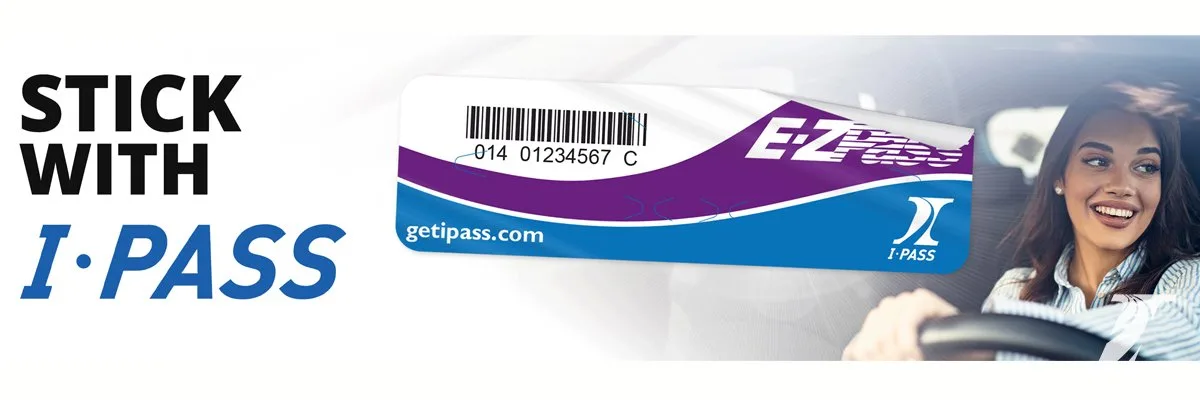
Sometimes the hardware is perfectly fine, but the toll system rejects the transaction because there are no funds available. If your account isn’t linked to a valid payment method or the balance has dropped below the minimum threshold, the reader won’t process the toll.
Check your account dashboard to see if your status is “suspended” or “low balance.” If your account is empty, the system will flag the transponder as inactive at the toll plaza. You can easily fix this by adding funds through the official mobile app or the website. Once the payment clears, the system will automatically reactivate your device. This usually happens within a few hours, though it may take longer depending on your bank’s processing speed.
A common mistake is assuming an “auto-replenish” setting will trigger instantly when your balance hits zero. In reality, most systems trigger a reload only once your balance dips below a specific low threshold. If your toll costs exceed your remaining balance before that reload processes, your account will enter a suspended state.
If you have a large amount of tolls pending, the system might block the device until the debt is settled. If you’re unsure why the balance is low, check your transaction history for any unexpected charges. If the balance is sufficient and the account is active, your issue is likely related to the physical sensor or the windshield interference mentioned previously. Use this decision rule: if your account status shows “pending,” wait 24 hours; if it shows “suspended,” you must manually trigger a payment to restore service.
The less likely causes
-
Physical damage: The sticker is torn or bent, which breaks the internal antenna wires. If you see a crease or a tear, the device is permanently compromised. You must replace the unit immediately.
-
Lane signal interference: A large truck or bus is blocking the sensor’s path, forcing the system to miss your read. If you’re trailing a high-profile vehicle, maintain at least two car lengths of distance. If the error persists, use a different lane next time.
-
Expired registration: Your vehicle information on file doesn’t match the car you’re driving. The system flags the plate instead of the sticker when the database returns a mismatch. Check your account portal to ensure your current license plate number is active.
-
Debris on glass: Dirt or heavy ice buildup over the sticker location blocks the signal. Clean the glass with a mild soap and water solution. Avoid harsh chemical cleaners, as these can degrade the adhesive or damage the internal circuitry.
What a fix usually involves
Fixing a toll sticker issue usually involves a small amount of time rather than a large expense. If the problem is simply placement, you only need to clean the glass with isopropyl alcohol and ensure the sticker is flat and properly oriented. Avoid using window cleaners with ammonia, as they leave a residue that prevents the adhesive from bonding securely to the windshield.
If the device itself is dead or broken, you must replace it entirely. Most toll authorities provide a replacement sticker at no cost if the original is defective, but you’ll need to wait for it to arrive by mail. If you’re traveling within the next 48 hours, request a temporary pass number to avoid manual toll violations.
If the issue is account-related, the cost is simply the amount of the tolls you owe to bring your balance back to the required level. You can check the current replacement policies and fee structures on your provider’s official website.
Never pay for a replacement through a third-party site or a suspicious link, as these are often scams. Always use the official portal for your state’s tolling authority to verify if you qualify for a free replacement or if a service fee applies. If your account shows a negative balance, prioritize a manual payment over a sticker request to prevent a suspended status.
Frequently asked questions

Can I move my Ipass sticker to another car?
No, you shouldn’t move a sticker once it has been applied to a windshield. The adhesive is designed for a single application, and removing it often damages the internal antenna. If you frequently drive different vehicles, you should contact the toll authority to request a portable transponder that can be moved between cars, rather than a permanent sticker.
Is it safe to use tape to reattach my sticker?
No, you shouldn’t use tape to reattach a loose sticker. Metal-based tapes or thick adhesives can interfere with the radio frequency, and standard tape may not hold the device at the exact angle required for the sensor to read it. If the sticker is falling off, it’s time to order a replacement from your account portal.
What happens if the sticker isn’t read?
If the sticker isn’t read, the toll system will take a photo of your license plate and check it against your account. If your plate is registered to an active account, the toll will be deducted automatically. If your plate isn’t registered, you’ll receive a violation notice in the mail for the unpaid toll amount.
How long does a sticker battery last?
Most stickers are designed to last for several years, often between five and seven years depending on the model. You can check the specific expiration date or the date of issuance on your account dashboard. If your device is older than five years, it’s wise to request a new one before it stops working entirely.
Does it matter if the sticker is upside down?
Yes, the orientation of the sticker matters for the internal antenna to function correctly. You must follow the installation instructions provided with the device, which usually include a diagram showing which side should face the road. If the sticker is placed incorrectly, the signal will be too weak for the toll plaza sensors to detect.
Why was I charged a higher rate?
You may be charged a higher rate if your account is inactive or if the transponder wasn’t read correctly at the toll plaza. When the system can’t link the toll to a valid transponder, it may default to a higher cash or video toll rate. Ensure your device is active and properly mounted to benefit from the lowest available toll rates.
Final Thoughts
If these simple adjustments don’t solve the problem, you shouldn’t hesitate to reach out to customer support. They’ll help you verify your account details or send a replacement unit if yours is truly broken. Getting it fixed today will save you from future headaches and unexpected fines on the road.