
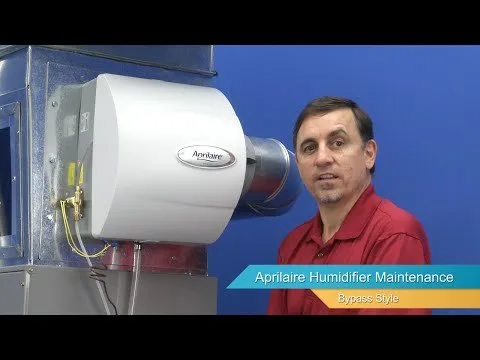
Most Aprilaire Humidifier Problems come from mineral buildup on the water panel or a faulty solenoid valve that stops water flow. When your unit fails to increase indoor humidity or leaks, it’s usually because the water distribution tray is clogged or the internal filter is past its service life. This guide covers how to fix these common issues and when you need to call a professional for help.
How your Aprilaire humidifier functions
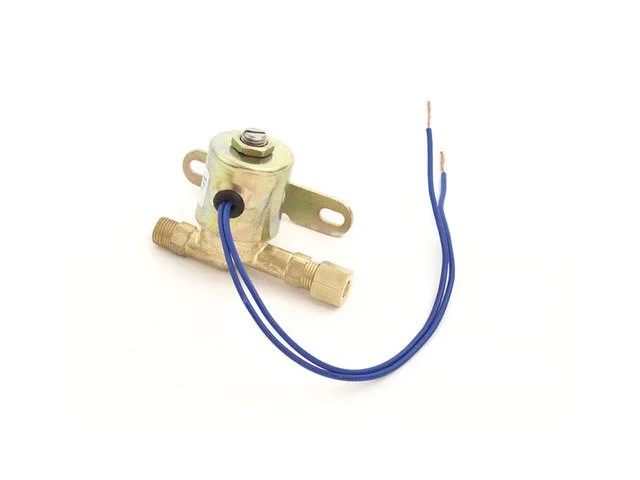
An Aprilaire humidifier is a bypass or powered unit designed to add moisture to your home’s air through your HVAC system. It works by passing air through a water-soaked pad, known as a water panel. The system relies on a solenoid valve to release water when the humidistat calls for it. If the air is too dry, the system activates the valve, and water flows over the panel while your furnace fan runs.
Most users mistakenly believe that these units require no maintenance because they connect directly to the home’s water supply. In reality, hard water creates mineral scale that blocks the water flow and reduces efficiency over time. This isn’t a set-it-and-forget-it device. You must replace the water panel regularly to keep the unit working. If you live in an area with very hard water, the scale buildup happens faster than the manufacturer’s standard schedule suggests. Always check the label on your specific model for the recommended replacement cycle, as this varies by model.
The basic method
- Turn off your HVAC system at the thermostat to prevent the fan from running while you work.
- Locate the humidifier unit on the furnace ductwork and turn the water supply valve to the off position.
- Unlatch the cover of the humidifier and carefully pull out the scale control insert and the water panel.
- Inspect the water distribution tray at the top for clogged holes; use a small brush to clear any mineral debris.
- Replace the old water panel with a new one designed for your specific model number.
- Check the feed tube for cracks or kinks; if it looks brittle or has white buildup inside, replace it.
- Reassemble the unit, turn the water supply back on, and check for leaks while the system runs.
The main judgement call is deciding if a part is cleanable or needs replacement. If you see deep pitting in the plastic or if the solenoid valve makes a loud buzzing noise without releasing water, it’s time to replace the component. If you aren’t comfortable working with water lines or electrical wiring, contact a licensed HVAC technician. Improper installation can cause water leaks that damage your furnace or ductwork, leading to expensive repairs.
Key numbers and settings at a glance
Most Aprilaire systems perform best when the settings match your home’s size and current climate.
| Situation | What to use | How long | What to watch for |
|---|---|---|---|
| Standard use | Fresh water panel | 6 months | Mineral crust |
| Very hard water | Water panel with scale coating | 3 months | Reduced airflow |
| Low humidity | Higher humidistat setting | Constant | Condensation on windows |
| Summer storage | Bypass damper closed | Seasonal | Mold or odors |
What separates good results from bad ones
Proper maintenance habits
The most successful users perform a full inspection before the heating season begins. They check the drainage hose to ensure it isn’t blocked or sagging, as standing water in the hose can lead to mold growth and restricted drainage. If the drainage hose is clogged, water will back up into the unit and overflow onto your furnace floor. A clear, downward slope for the drain is essential for the system to function.
Setting the right levels
You should adjust your humidistat based on the outdoor temperature. When it’s freezing outside, you must lower the humidity setting to prevent condensation from forming on your windows. If you see water dripping down the inside of your glass, your humidity is too high. The Aprilaire owner manual provides specific charts to help you balance indoor comfort with outdoor conditions. Never set your humidifier to the maximum level during a deep freeze, as this will lead to ice buildup inside your wall cavities or window frames.
Troubleshooting Common Aprilaire Humidifier Problems
| What you notice | What it usually means | What to do first |
|---|---|---|
| Water leaking on floor | Clogged drain hose | Clear the drain tube |
| No humidity increase | Worn water panel | Replace the panel |
| Buzzing solenoid | Electrical fault | Check wire connections |
| White dust on furniture | Mineral deposits | Use a water softener |
If you spot water pooling, check the drain tube for kinks or debris. A blockage often forces water back into the unit housing. If the tube is clear but leaking persists, the overflow pan may be cracked.
Humidity levels often plateau because the water panel is calcified. If the panel feels rigid or brittle to the touch, replace it immediately. Failing to swap it regularly reduces the unit’s ability to add moisture to the air.
A loud buzzing solenoid usually indicates low voltage. Tighten the wire nuts at the connection point before replacing the part. If the sound persists, the coil is likely failing.
Finally, white dust indicates high mineral content in your water. If you lack a softener, you may need to clean the surrounding area more frequently to manage mineral dust accumulation.
Rules for safe operation
You must follow local plumbing and electrical codes when servicing your unit. In many jurisdictions, any modification to the main water supply line requires a shut-off valve that’s easily accessible to the homeowner. If you find that the solenoid valve isn’t opening, don’t attempt to disassemble the electrical housing yourself. The solenoid is an electromagnetic component that operates on low-voltage power when the system is active. If you’re unsure about the wiring, contact a certified HVAC technician to perform the repair. They can verify that the voltage matches the system requirements and that all ground wires are secure. Following these safety protocols protects your warranty and prevents potential water damage to your furnace components, which are often sensitive to moisture.
Keeping it working afterwards
To ensure your humidifier lasts, perform a seasonal cleaning cycle at the end of the heating season. Shut off the water supply and remove the water panel to allow the internal cabinet to dry out completely. This prevents the growth of bacteria and mold during the warmer months when the unit isn’t in use. You should also check the drain line for any sediment that may have accumulated throughout the winter. If you notice a musty odor when you first turn the system on in the fall, it’s a sign that the unit wasn’t fully dried or cleaned before storage. Simply rinsing the tray and installing a fresh panel at the start of every season is the best way to keep the air quality high and the system running smoothly.
When to use a different approach
If your water hardness exceeds 10 grains per gallon, mineral buildup will calcify your humidifier panel in under 60 days. At that frequency, the recurring cost of replacement filters often exceeds the annual maintenance budget for a dedicated water softener. If your plumbing layout lacks the space for a bypass unit, don’t force a retrofit. A portable ultrasonic model is more effective for localized comfort in spaces under 800 square feet.
Check your basement walls for condensation before installation. If you see water droplets or mold growth on cool surfaces, your home is already at its moisture capacity. Adding a humidifier here will trigger structural rot and exacerbate respiratory issues. In this case, prioritize a dehumidifier or improved mechanical ventilation to lower the dew point. If your relative humidity consistently stays above 55% during the winter, skip the humidifier entirely. Investing in a hygrometer first will save you the cost of a machine that would only damage your home.
Frequently asked questions
Can I clean the water panel instead of replacing it?
No, you can’t effectively clean a used water panel because the mineral deposits become permanently embedded in the mesh. While you can rinse away surface dust, the scale buildup remains and prevents proper water absorption. Replacing the panel is necessary to maintain the unit’s efficiency and prevent the growth of bacteria.
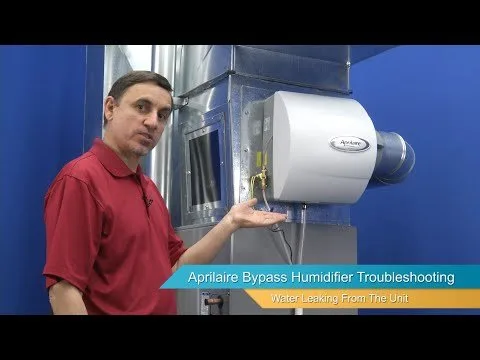
Why is my humidifier leaking onto the furnace?
The leak usually happens because the drain hose is clogged or the distribution tray isn’t level. Check the drain hose for debris or kinks that prevent water from flowing away from the unit. If the hose is clear, ensure the distribution tray is snapped firmly into the top of the frame.
How long should the water panel last?
The water panel should last for a reasonable period under normal usage conditions. However, if your home has hard water or you run the humidifier constantly, you may need to replace it as part of your usual clean. You can tell it’s time to replace it when you see heavy white crust covering the surface.
Is it safe to leave the humidifier on all year?
No, you should turn the humidifier off and close the bypass damper when the heating season ends. Running the unit during the summer can lead to excess moisture in your ductwork, which encourages mold growth. Always shut off the water supply and drain the unit at the end of winter.
What happens if I don’t change the water panel?
If you don’t change the panel, mineral scale will eventually block the airflow through the unit. This makes the humidifier ineffective at raising humidity levels and can cause water to overflow into the furnace cabinet. Over time, the scale can also cause the solenoid valve to fail or the distribution tray to crack.
Final Thoughts
Keeping your home comfortable doesn’t have to be a constant struggle. If you’ve tried these basic checks and the air still feels dry, it’s best to contact a local HVAC technician. They’ll quickly spot any hidden electrical faults, so you won’t have to worry about your system failing when winter arrives.