
A constant water flow into sump pit systems is usually caused by high groundwater levels, poor exterior drainage, or a malfunctioning check valve that allows discharged water to cycle back into the basin. If the pump runs continuously, it’s often because the float switch is stuck or the water table has risen above the foundation level. This isn’t for homeowners who lack basic tools or those uncomfortable working near electrical components in damp areas; if you’re unsure, contact a licensed plumber or a certified foundation contractor.
Why You Have Constant Water Flow into Sump Pit
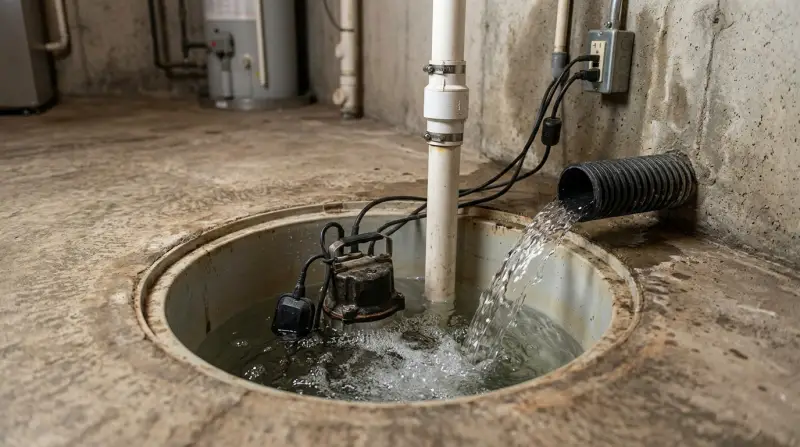
Groundwater pressure is the most common reason for persistent inflow. When the soil around your home becomes saturated due to heavy rain, snowmelt, or a high water table, hydrostatic pressure forces moisture through the soil and into the drainage tile system surrounding your foundation. This water then flows by gravity into your sump basin.
Another cause is a failed check valve. This device is installed on the discharge pipe to prevent water from flowing back into the pit once the pump shuts off. If the valve is stuck open or worn out, the water already in the pipe flows back down, triggering the pump to activate again. This creates a cycle where the pump runs constantly, even if no new groundwater is entering the basin.
Finally, grading issues around the house can cause constant inflow. If the ground slopes toward your foundation rather than away from it, surface water from rain gutters and downspouts collects at the base of the wall. According to the Environmental Protection Agency’s guidance on water management, proper site grading is essential to prevent excess water from reaching foundation walls. If your downspouts discharge within a few feet of the house, that water likely finds its way directly into your weeping tile and then into your sump pit.
Inspect the check valve
The check valve is a simple flap or ball mechanism located on the vertical pipe coming out of your sump pump. If you hear a “clunk” followed by the pump turning back on immediately, the valve is likely the culprit. To test it, locate the valve—it’s usually a plastic or metal housing with arrows indicating the direction of flow.
If the pump is running, unplug it briefly to stop the flow. Check if the water level in the pit drops quickly after the pump stops. If it drops, the water is flowing backward through the pump. To fix this, you must shut off the main power, unscrew the pipe connections, and inspect the interior of the valve for debris like gravel or sediment. If the flap is cracked or the rubber seal is worn, replace the valve immediately. You can buy a standard replacement at any hardware store; ensure you match the diameter of your discharge pipe, which is typically one-and-a-half or two inches. Once replaced, tighten the clamps securely to prevent leaks. If you aren’t comfortable cutting or re-gluing PVC pipes, hire a professional to avoid flooding your basement during the repair.
Divert surface water
If the water flow remains steady even when it hasn’t rained for days, you need to address the exterior drainage. This is a manual labor task that involves extending your downspouts away from the foundation. The goal is to move water at least ten feet away from the exterior walls.
Use flexible plastic downspout extensions to direct runoff toward a lower point in your yard or a dedicated drainage swale. Most homeowners make the mistake of stopping at five feet, which allows water to seep back through the soil in heavy storms. If you see water pooling within six feet of your siding, you haven’t gone far enough.
If you have a patio or walkway against the house, ensure the concrete is pitched away from the wall. You can test this by pouring a gallon of water near the house; if it flows toward the foundation, the grade is failing. If the concrete has settled and now slopes toward the house, you must regrade the area or install a drainage solution to direct water away from the foundation.
This fix isn’t for those with physical limitations, as it often requires digging shallow trenches to bury extensions. If the water flow doesn’t decrease after these changes, you may need a professional drainage contractor to install a French drain system. This system intercepts groundwater before it reaches your foundation, acting as a final defense when surface grading is no longer sufficient.
Adjust the float switch
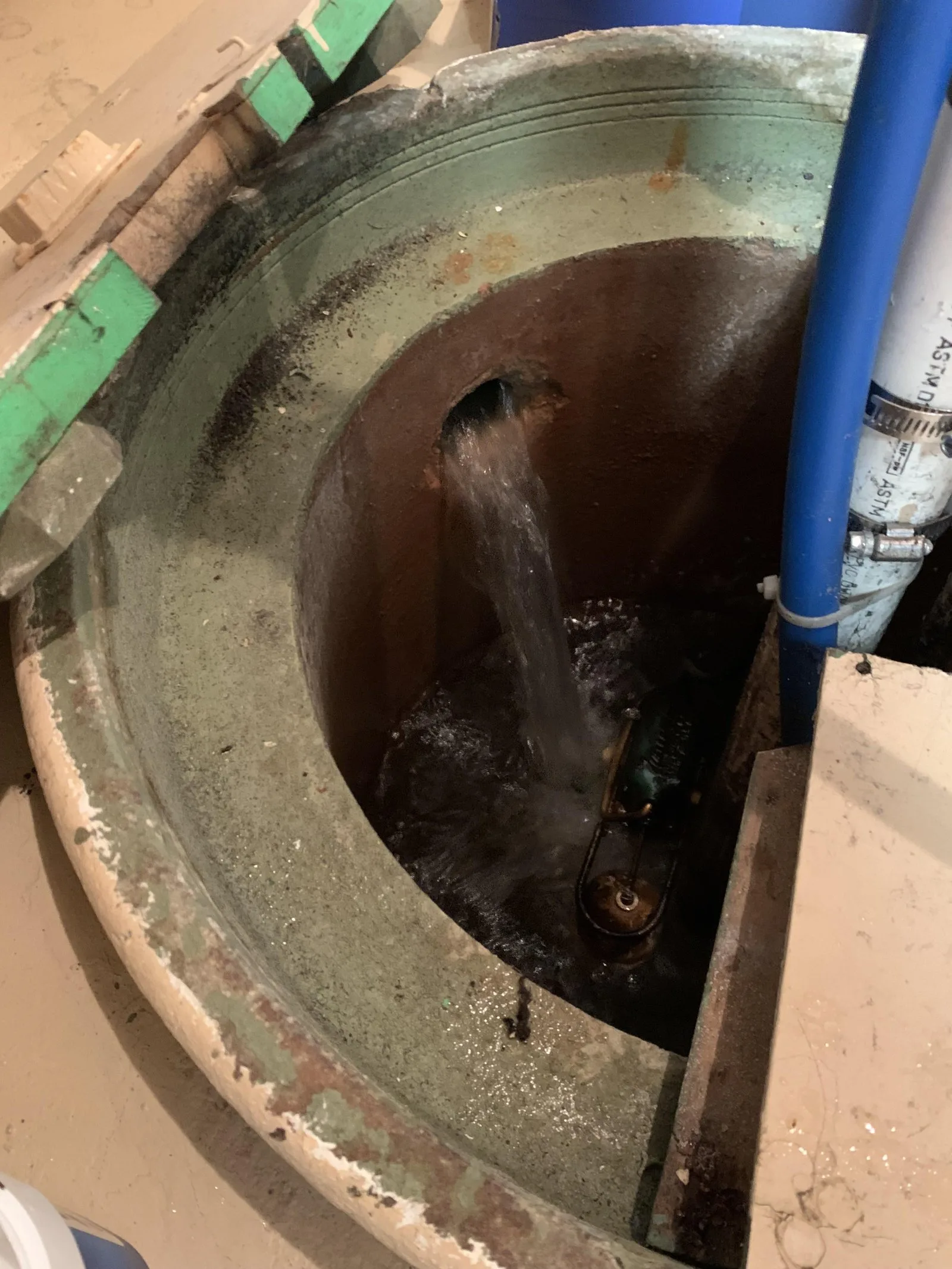
A pump that never shuts off often has a float switch that’s pinned against the side of the basin. The switch tells the pump when to turn on and off based on the water level. If it’s obstructed by the power cord, the side of the pit, or debris, the pump will run indefinitely.
First, unplug the pump to ensure safety. Reach into the basin and manually move the float up and down. It should move freely without catching on anything. If it feels stuck, check for debris like small rocks or silt that may have built up under it. Clean the area around the switch thoroughly. If the power cord is tangled with the float, untie it and secure it to the pipe using a zip tie, leaving just enough slack for the float to move through its full range of motion. This varies by model—check the label on your pump for the recommended range of motion. If the float switch is integrated into the pump housing and you can’t move it freely, the entire switch mechanism may have failed. In this case, the switch needs to be replaced or the pump unit swapped out. Always test the switch by filling the pit with a bucket of water until the pump activates, then watch it shut off as the water level drops.
What not to do
Don’t leave the pump unplugged for long periods. Even a small amount of groundwater can cause significant basement flooding within three hours. If you’re performing maintenance, set a timer to ensure the power returns immediately.
Don’t use heavy-duty industrial cleaners inside the pit. Harsh chemicals degrade the rubber seals on the pump, which often voids your manufacturer warranty. If the pit smells, use a mild, enzyme-based cleaner instead.
Don’t try to force the pump to stay off by wedging the float. The motor relies on being submerged in the pit water to dissipate heat; if the pump runs while dry, the internal coils will overheat and burn out.
Don’t ignore a constant humming noise from the pump. This sound indicates the motor is running under a heavy load or is jammed. If the pump hums but fails to move water, check the discharge pipe for a blockage before the motor burns out completely.
How to stop it happening again
Regular maintenance is the only way to ensure your basement stays dry over the long term.
| If you’re doing this | Do this instead | Why |
|---|---|---|
| Leaving downspouts near walls | Use extensions to move water 10+ feet away | Prevents water from saturating the foundation soil |
| Ignoring the sump pit | Test the pump with a bucket of water monthly | Catches a broken float switch before a storm |
| Using a cheap check valve | Install a high-quality silent check valve | Reduces mechanical wear and prevents backflow |
| Letting debris sit in the pit | Clean the pit out every six months | Prevents the float switch from getting jammed |
Most homeowners make the mistake of waiting for a heavy rainstorm to verify their system works. This is a costly gamble. If the pump fails while you’re away, you face thousands in restoration costs.
Use this simple decision rule: if your basement floor feels damp to the touch during a dry week, your perimeter drain is likely clogged. In that case, professional jetting is required immediately. Adjust the tether length to ensure the pump engages before the water level reaches the basement slab.
Frequently asked questions
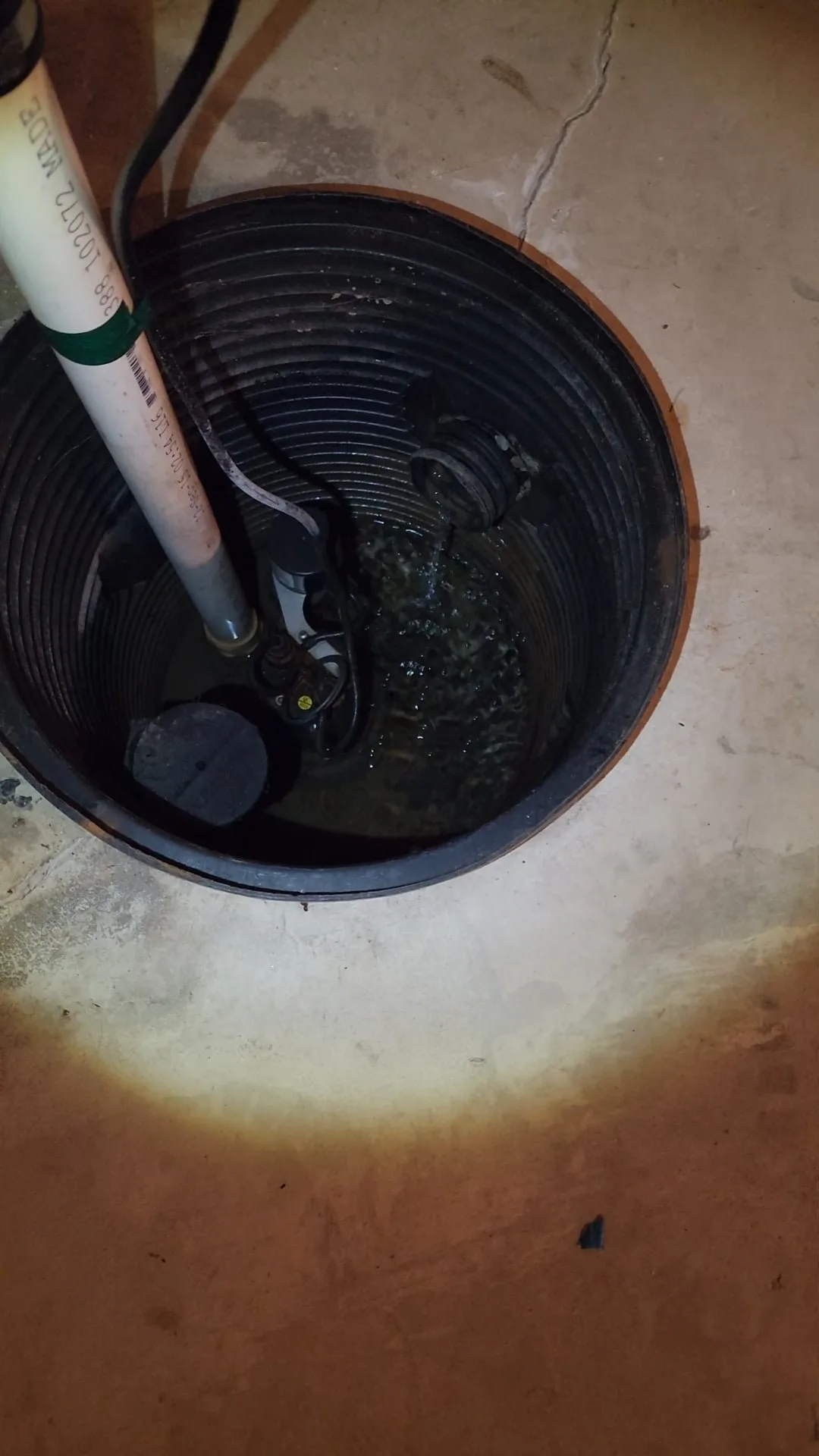
Can I leave my sump pump running constantly?
No, a sump pump isn’t designed to run 24/7, as constant operation causes the motor to overheat and burn out. Continuous running usually indicates that water is flowing back into the pit or the float switch is stuck. You should identify the source of the excess water or fix the faulty switch immediately.
Why is my sump pump running when it isn’t raining?
A sump pump runs continuously because of a high water table or a failed check valve. If the groundwater level is higher than the pit, water will constantly seep in. Alternatively, a broken check valve allows discharge water to flow back into the pit, causing the pump to cycle repeatedly.
How long should a sump pump run?
A healthy sump pump should run for short bursts, typically lasting 10 to 30 seconds. It should shut off completely once the water level drops below the float switch’s off point. If your pump runs for several minutes or never stops, it’s likely undersized or experiencing a mechanical issue.
Is it safe to fix a sump pump myself?
Yes, you can perform basic maintenance like cleaning debris or adjusting the float switch, provided you unplug the unit first. Never touch a wet sump pit while the pump is plugged in, as this creates a severe shock hazard. Complex repairs involving wiring or plumbing should be handled by a professional.
What happens if the sump pump fails?
If your sump pump fails, water will continue to enter the pit and eventually overflow into your basement, causing significant damage. Installing a battery backup pump provides a second line of defense if the main unit breaks or power is lost. This ensures your basement remains dry during unexpected pump failures.
Final Thoughts
If the water doesn’t stop after you’ve checked the basics, don’t ignore it. Persistent moisture can lead to costly structural damage or mold growth beneath your home. It’s a good idea to schedule a professional inspection soon so you’ll have peace of mind that your basement stays dry and safe.
Related guides