
A loud humming noise from your LG refrigerator can feel worrying. Most people expect a refrigerator to be almost silent, with only a soft background hum. But when the sound grows louder, it becomes hard to ignore. Sometimes the hum is steady, other times it comes and goes.
This noise might happen when you open the door, after a power outage, or even in the middle of the night. If this sounds familiar, you are not alone. Many LG refrigerator owners face this issue at some point.
Understanding the reasons behind a loud humming noise is important for your peace of mind and your appliance’s health. Sometimes, the cause is simple and harmless. Other times, it can mean a part is failing or needs attention. Taking the right steps early can prevent bigger problems and expensive repairs later. In this article, you’ll learn why your LG refrigerator makes a loud humming noise, how to diagnose it, and what you can do to fix it or reduce it. We’ll also look at when you should call a technician and how to prevent humming sounds in the future.
Why Lg Refrigerators Make Noise
All refrigerators make some noise. This is normal, and most of the time, the sound is soft enough that you barely notice it. However, a loud humming noise is different. It’s much more noticeable and can signal a problem. To understand what causes this, you need to know how your refrigerator works.
Inside every LG refrigerator are moving parts and fans. These help keep your food cold by moving air and circulating refrigerant. As these parts work, they make noise. Sometimes, this noise gets louder if something goes wrong.
Normal Vs. Abnormal Refrigerator Sounds
It helps to know the difference between normal and abnormal noises:
- Normal sounds: Soft hum, gentle whooshing, clicking (when starting or stopping), water trickling (if you have an ice maker).
- Abnormal sounds: Loud humming, buzzing, rattling, knocking, or grinding. These can mean there is a problem with a part inside the refrigerator.
Key Components That Make Noise
Here are the main parts of an LG refrigerator that can create a humming noise:
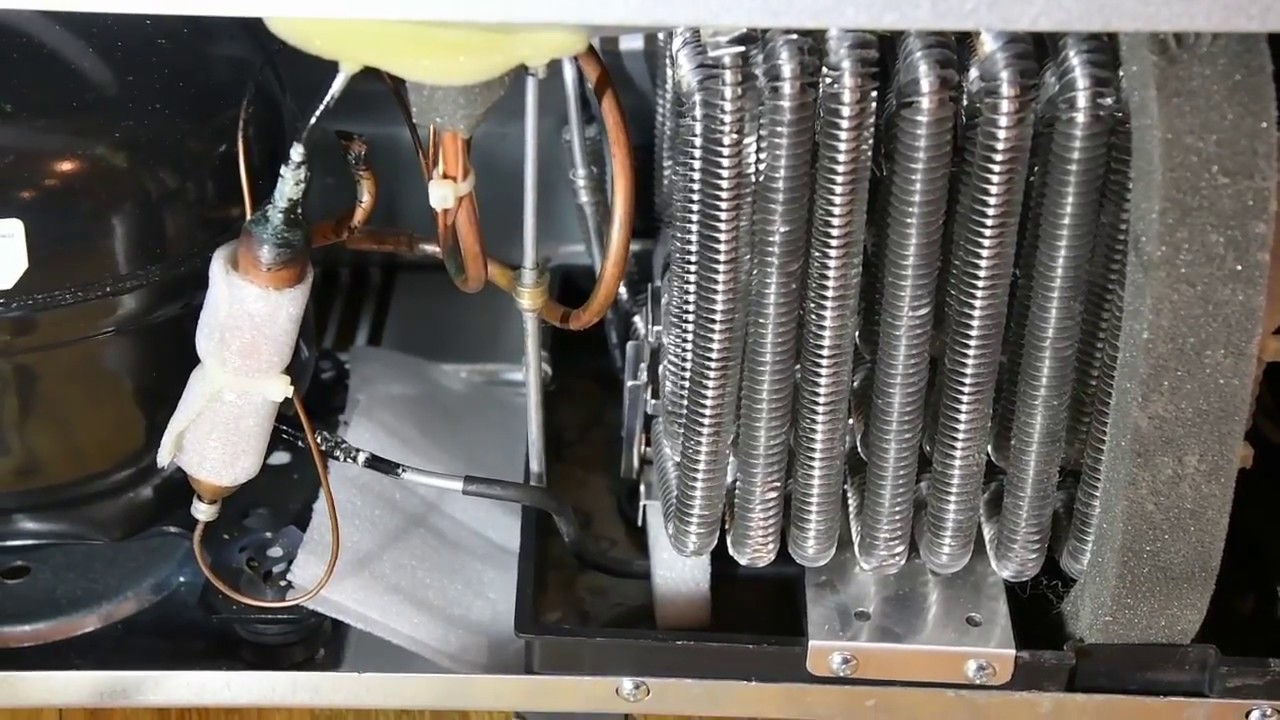
- Compressor: This is the motor that pumps refrigerant. It usually makes a low hum, but a loud hum means something could be wrong.
- Condenser fan: This fan cools the compressor. If it’s blocked or dirty, it can make a loud humming or buzzing sound.
- Evaporator fan: Located in the freezer, this fan moves cold air. If it’s iced up or failing, it can hum loudly.
- Water inlet valve: For models with ice makers or water dispensers, this valve can hum if it’s failing or if the water pressure is too high.
Common Causes Of A Loud Humming Noise
Let’s look at the most common reasons why your LG refrigerator might make a loud humming noise. Some issues are easy to fix, while others need expert help.
Compressor Problems
The compressor is the heart of your refrigerator. It turns on and off to keep the temperature steady. A low hum is normal, but if you hear a loud, steady humming, it could be a sign of trouble. Compressors can get noisy if they are failing, have loose parts, or are overworked.
Signs Of Compressor Issues
- Loud hum that doesn’t go away
- Refrigerator feels warmer than usual
- Food spoils faster
- The sides or back feel very hot
Compressor issues are serious and often need a professional repair. In many cases, replacing a compressor is expensive, so it’s good to check other causes first.
Condenser Fan Obstruction
The condenser fan sits near the compressor. Its job is to cool the compressor and condenser coils. If dust, pet hair, or debris block the fan, it can make a loud humming or buzzing noise.
How To Check
- Unplug the refrigerator
- Pull it away from the wall
- Look at the bottom back panel and remove it
- Check for dirt or objects blocking the fan
- Gently spin the fan by hand (it should move freely)
If the fan blade is bent or the motor is failing, you’ll need to replace it.
Evaporator Fan Issues
The evaporator fan is inside the freezer. It circulates cold air through the fridge and freezer. When the fan is blocked by ice, gets dirty, or the motor is failing, it can create a loud humming or buzzing sound.
Signs Of Evaporator Fan Trouble
- Loud noise from the freezer area
- Frost buildup in the freezer
- Inconsistent cooling in the fridge
Sometimes, a simple defrost can help if ice is blocking the fan. But if the noise continues after defrosting, the fan motor may need replacement.
Water Inlet Valve Humming
If your refrigerator has an ice maker or water dispenser, the water inlet valve opens and closes to let water in. When the valve is going bad or if the water pressure is too high, it can hum loudly, especially when filling the ice maker.
How To Spot This Issue
- Humming noise when the ice maker is filling
- Water dispenser is slow or not working
- Ice cubes are smaller than usual
Check the water pressure and consider replacing the valve if the noise stays.
High Internal Temperatures
When your refrigerator is too warm inside, it works harder to cool down. This can cause the compressor and fans to run longer and louder, making a loud humming noise.
Causes Of High Temperatures
- Door left open
- Overloading with warm food
- Blocked air vents inside the fridge or freezer
Let your refrigerator cool down for a few hours. If the noise doesn’t go away, there may be another issue.
Poor Installation Or Leveling
Sometimes, the installation of your LG refrigerator causes humming. If the unit isn’t level, parts can vibrate against walls or cabinets, making the sound louder.
Quick Leveling Check
- Place a bubble level on top of the fridge
- Adjust the front feet until the unit is level
- Make sure the refrigerator is not touching the wall or cabinets
Proper leveling can reduce or stop the humming noise.
Ice Buildup
Excess ice buildup in the freezer can block the evaporator fan, making it work harder and creating a loud hum.
What Causes Ice Buildup?
- Faulty door seals
- Frequent door opening
- Broken defrost system
Defrost your freezer and check the door seal for gaps or cracks.
Damaged Or Loose Parts
Sometimes, a part inside your refrigerator becomes loose or damaged. This can cause parts to vibrate, leading to a humming or rattling noise.
What To Look For
- Loose screws or panels
- Broken fan blades
- Vibrating shelves or drawers
Tighten screws and secure loose shelves to see if this reduces the noise.

Diagnosing The Exact Source Of The Humming
Finding the exact cause of the humming noise is the first step to fixing it. Here’s how you can investigate:
- Locate the sound: Is it coming from the back, inside the fridge, or the freezer?
- Time the noise: Does it happen all the time, only when the compressor runs, or when the ice maker fills?
- Check for vibration: Feel if the refrigerator is vibrating against the floor, wall, or cabinets.
- Open the doors: Does the sound change or stop when you open the refrigerator or freezer?
- Unplug briefly: Carefully unplug the refrigerator for a minute. Does the noise stop? If yes, the problem is inside the fridge.
If you still can’t find the cause, try removing food, shelves, and drawers to check for loose or rattling parts.
How To Fix A Loud Humming Noise
Once you know what’s causing the noise, you can try to fix it. Some fixes are easy, while others need a technician.
Cleaning And Maintenance
The most common cause of humming is dust and dirt on the condenser fan or coils. Regular cleaning can help.
Steps To Clean The Condenser Fan And Coils
- Unplug the refrigerator for safety.
- Move the fridge away from the wall.
- Remove the back panel (usually at the bottom).
- Vacuum dust and debris from the coils and fan.
- Spin the fan by hand to check if it moves freely.
- Replace the panel and plug the fridge back in.
Do this every 6 months, or more often if you have pets.
Adjusting The Level
If your LG refrigerator isn’t level, adjust the feet until it is. This can stop parts from vibrating and reduce noise.
Defrosting The Freezer
If you see ice buildup, unplug the fridge and let the ice melt. Clean up any water and check if the noise is gone when you restart the fridge.
Replacing Faulty Parts
If you find a broken fan motor, water inlet valve, or other part, you may need to replace it. Many LG refrigerator parts are available online or from appliance stores. Always unplug the fridge before replacing parts, and follow instructions carefully.
If you’re not confident doing repairs yourself, call a professional technician.
Reducing Water Pressure
If the water inlet valve is humming, check your home’s water pressure. The recommended pressure for most LG refrigerators is 40-120 psi. If it’s too high, use a pressure regulator on the water line.
When To Call A Technician
Not all refrigerator problems are safe to fix at home. Some repairs require special tools and skills.
Call A Technician If:
- The compressor is making the noise
- The refrigerator is still loud after cleaning and leveling
- There’s a burning smell or visible damage
- The refrigerator stops cooling
A technician can safely diagnose and fix complex issues.
Comparing Lg Refrigerator Noises
Not sure if your noise is normal? Here’s a comparison of typical LG refrigerator sounds and what they mean:
| Sound | Likely Cause | Normal? |
|---|---|---|
| Soft hum | Compressor running | Yes |
| Loud, steady hum | Compressor or fan issue | No |
| Buzzing | Water inlet valve, fan obstruction | Sometimes |
| Clicking | Defrost timer, start relay | Yes |
| Rattling | Loose part or shelf | No |
If the sound matches the “No” column, it’s time to check for problems.
Lg Refrigerator Models And Noise Differences
Some LG refrigerator models are quieter than others. Features like linear compressors and inverter technology can reduce noise, but problems can still happen.
Here’s a quick comparison of typical noise levels in decibels (dB) for common LG refrigerator types:
| Model Type | Typical Noise Level (dB) | Notes |
|---|---|---|
| Standard compressor | 40-45 | Most common |
| Linear compressor | 36-39 | Quieter, more efficient |
| Inverter compressor | 32-38 | Very quiet, variable speed |
| Older models (10+ years) | 45-50 | Louder due to wear |
If your refrigerator is much louder than the typical range, it may need service.
Preventing Humming Noises In The Future
A few simple habits can help you avoid loud humming sounds and keep your LG refrigerator running smoothly.
Regular Cleaning
Clean the condenser coils and fan every 6-12 months. Dust and dirt can block airflow and cause parts to overheat and hum.
Check The Door Seals
Damaged or dirty door seals let warm air in, making your fridge work harder and get louder. Wipe seals often and replace them if they are cracked or loose.
Avoid Overloading
Too much food can block air vents, forcing fans and the compressor to run longer and make more noise. Leave some space around items for air to flow.
Level The Refrigerator
A level fridge reduces vibration and stress on moving parts. Check the level after moving or cleaning.
Use The Right Water Pressure
If you have an ice maker or water dispenser, make sure your home’s water pressure matches LG’s guidelines.
Defrost When Needed
If you notice ice building up, defrost your freezer to prevent fan blockage and noise.
Service Regularly
Schedule a service check every 1-2 years, especially if your refrigerator is older or you notice new noises.
Real User Experiences: What To Expect
Many LG refrigerator owners have shared their experiences with loud humming noises. Most find that the issue is related to dust on the condenser fan or ice buildup on the evaporator fan. A good cleaning or defrosting often solves the problem.
Others report that the compressor became noisy after several years of use. In these cases, a technician’s help was needed, and sometimes a replacement refrigerator was the best option due to high repair costs.
A few users noticed that new LG refrigerators can hum louder during the first 24-48 hours as the unit cools down for the first time. This is normal and should settle down after a day or two.
What Beginners Often Miss
Some refrigerator owners overlook simple causes. For example, placing the refrigerator too close to the wall or cabinets can make a normal sound seem louder due to vibration. Others forget to check the water pressure when installing a new fridge with an ice maker, leading to unnecessary valve noise.
Another common mistake is ignoring routine cleaning. Dust and pet hair build up faster than most people realize, especially in homes with pets. Regular cleaning is one of the easiest ways to prevent loud humming sounds.
Cost Of Repair Vs. Replacement
If your LG refrigerator needs a major repair, like a new compressor, you may wonder if it’s worth fixing. Here’s a quick look at average costs:
| Repair | Average Cost (USD) | When to Choose |
|---|---|---|
| Compressor replacement | $400–$700 | Fridge under 7 years old |
| Fan motor replacement | $100–$250 | Fan is noisy or stuck |
| Water inlet valve | $80–$200 | Noise when filling ice maker |
| Buy new refrigerator | $1,200–$2,500 | Old fridge, frequent repairs |
If your refrigerator is over 10 years old and needs a major repair, replacing it may be the smarter long-term choice.
When Is Noise A Safety Issue?
Most refrigerator noises are not dangerous, but a few signs mean you should unplug the unit and call for help right away:
- Burning smell
- Sparks or smoke
- Loud popping or banging
- Refrigerator stops cooling
These could mean an electrical problem or fire risk. Don’t ignore them.
Additional Resources
For more details and troubleshooting guides, you can check the official LG Support Library. This resource covers many common refrigerator issues and offers step-by-step help.
Frequently Asked Questions
Why Does My Lg Refrigerator Hum Louder At Night?
Refrigerators often sound louder at night because your home is quieter and background noise is lower. Also, the compressor may run longer if the kitchen is warmer during the day, then works harder to cool at night. However, if the hum is very loud or new, check for blocked fans or other issues.
Is A Loud Humming Noise Dangerous?
Most humming noises are not dangerous, but if you hear a very loud hum with a burning smell or the refrigerator stops cooling, unplug it and call for help. These could be signs of a serious electrical problem.
Can I Fix A Humming Refrigerator Myself?
You can fix some causes yourself, like cleaning the condenser coils, leveling the refrigerator, or defrosting the freezer. For compressor or electrical problems, it’s best to call a technician.
How Often Should I Clean My Lg Refrigerator To Prevent Noise?
Clean the condenser coils and fan every 6-12 months. If you have pets or live in a dusty area, clean more often. Regular cleaning helps prevent noise and keeps your refrigerator running well.
What If My New Lg Refrigerator Is Humming Loudly?
It’s normal for a new refrigerator to make more noise in the first 24-48 hours as it cools down. If the noise doesn’t go away after two days, check for installation issues, blocked fans, or contact customer support.
A loud humming noise from your LG refrigerator can be annoying, but it’s usually easy to find the cause. Regular cleaning, proper installation, and quick attention to new noises will help your refrigerator stay quiet and last longer. If you’re ever unsure, don’t hesitate to get help from a professional.
By understanding and caring for your appliance, you can enjoy the benefits of a modern, quiet kitchen for years to come.