
An Lg Washer Stuck on Spin Cycle happens because the machine can’t balance the load or sense the water level correctly. This is usually caused by an uneven load, a blocked drain hose, or a faulty water level sensor. When the washer detects that the drum is shaking too much or that water remains inside, it will stop the spin cycle to protect the motor from damage. You must address the weight distribution or the drainage path to allow the cycle to finish.
Why the washer gets stuck on spin
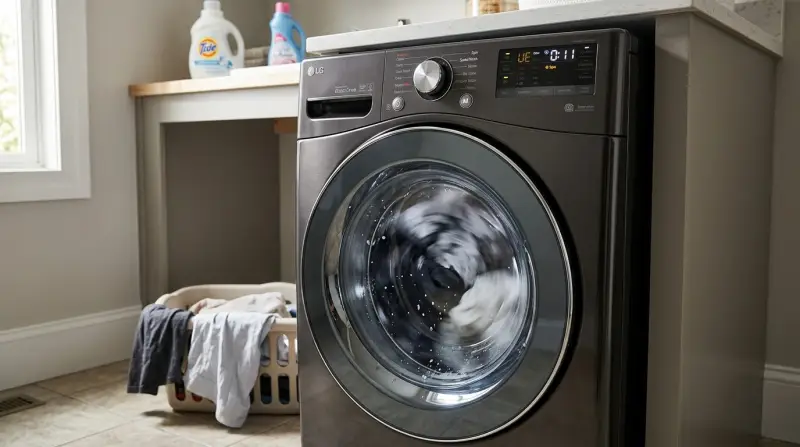
Most modern washing machines rely on internal sensors to detect weight and moisture. If your machine is stuck on the spin cycle, it’s usually struggling to reach high speeds because the clothes aren’t spread evenly. When the weight shifts to one side, the drum hits the sides of the cabinet. The machine stops the spin and tries to add water to redistribute the items. If it fails multiple times, it simply repeats the cycle or pauses indefinitely.
Another common cause is a drainage issue. According to the LG official support guide for spin issues, if the water doesn’t drain completely, the machine won’t spin at high speeds to prevent excess vibration or motor strain. This is often due to a clogged drain filter or a kinked hose behind the unit. If the water can’t leave, the weight of the wet clothes remains too high for the motor to safely spin.
Finally, some machines have a faulty pressure switch. This sensor tells the control board how much water is in the tub. If the switch is stuck or the tube connected to it’s blocked by debris, the machine thinks the drum is still full of water. It will refuse to enter the high-speed spin phase to avoid spraying water or damaging the internal components.
Balance the laundry load
If your washer is shaking or failing to spin, you should first check the distribution of the clothes. This fix is for those who notice the machine vibrating heavily or stopping mid-cycle. Open the door once the machine has safely unlocked and check if the laundry is tangled or bunched up on one side.
If you find a large, heavy item like a blanket or a bath mat, it’s likely causing the imbalance. Remove the item and try to spin the rest of the load alone.
After adjusting the items, close the door and restart the spin cycle. If the machine begins to ramp up speed without loud knocking noises, the problem is solved. If the washer still stops, check the floor underneath. If the machine isn’t level, the legs need to be adjusted with a wrench so that all four corners touch the floor firmly. This varies by model — check the owner’s manual for specific instructions on adjusting the leveling legs. If you aren’t comfortable adjusting the heavy frame of the unit, hire a professional to ensure it’s level and stable.
Clear the drain filter
When the washer can’t empty the water, it can’t spin. This fix is for those who notice the drum still contains water or hear a humming sound from the pump. First, turn off the machine and unplug it from the wall. Locate the small access door at the bottom front of your washer.
Place a shallow tray or a thick towel on the floor to catch the water that will spill out. Slowly unscrew the drain pump filter, which looks like a large cap. Debris such as coins, hairpins, or small pieces of fabric often get stuck here. Clean the filter thoroughly under a faucet and remove any gunk from the pump housing.
Once the area is clear, screw the filter back in tightly. If the filter is loose, it will leak during the next wash. Plug the machine back in and run a “Drain & Spin” cycle. If the water drains quickly and the machine enters the high-speed spin, the blockage was the culprit. If you hear a grinding noise or the pump fails to start, the pump motor may be damaged. This is a technical repair; a capacitor inside the unit can hold a lethal charge even when unplugged, so you should contact an authorized technician for any motor or pump replacement.
Reset the control board
Sometimes the electronic brain of the washer gets stuck in a logic loop. This fix is for those who have checked the balance and the drain filter but still see the machine spinning indefinitely. To perform a hard reset, unplug the machine from the power outlet and leave it disconnected for at least ten minutes. This allows the internal capacitors to discharge fully and clears the temporary memory of the control board.
After ten minutes, plug the machine back in. Don’t start a full wash cycle immediately. Instead, run a short, empty spin-only cycle to see if the machine can complete the action on its own. This isn’t for those who suspect a physical blockage, as a reset won’t clear a clogged hose or a broken pump.
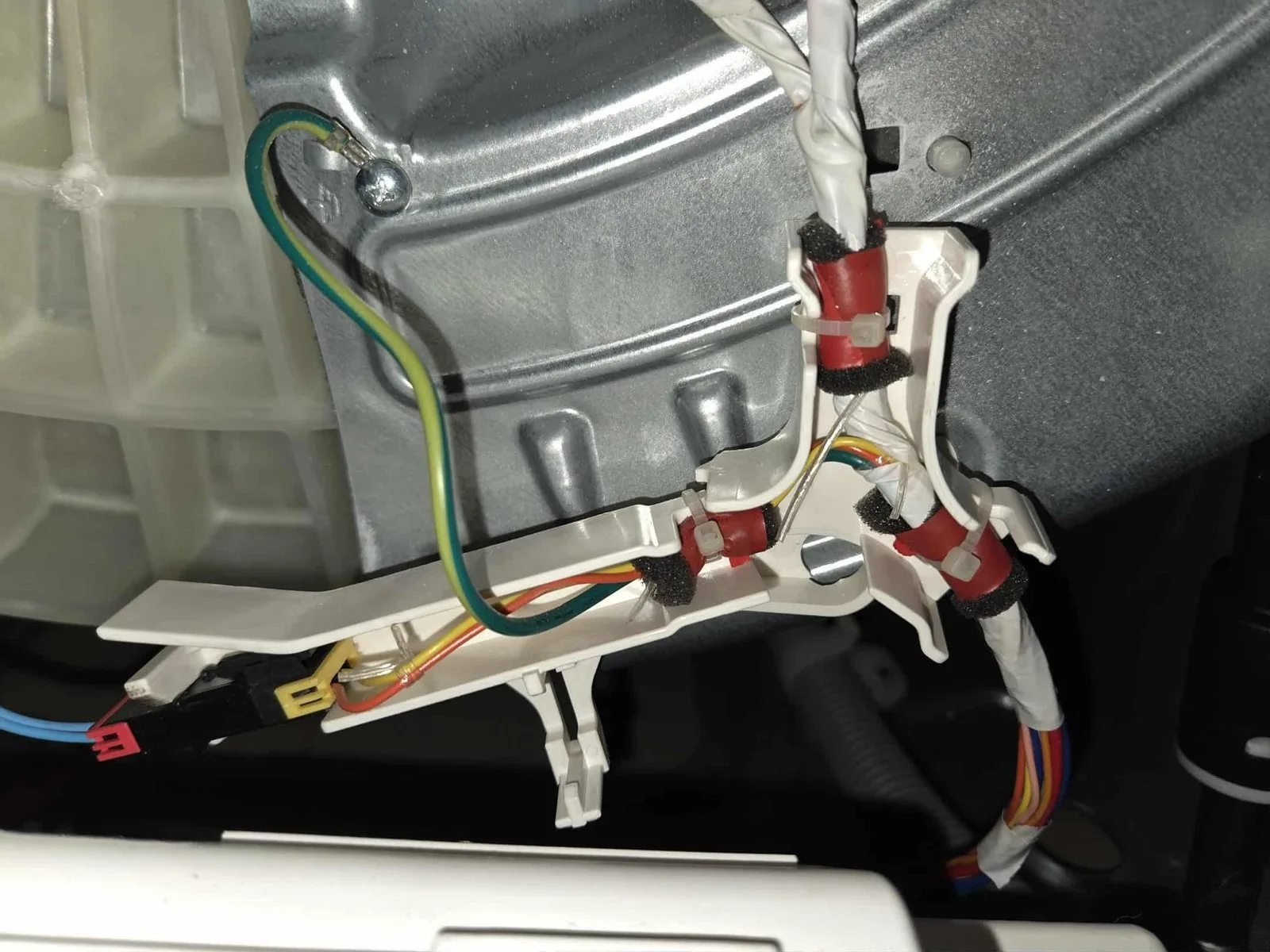
If the machine still gets stuck after a reset, the issue is likely a faulty main control board or a damaged door lock sensor. These parts require specific diagnostic software that only professional repair services possess. If you try to open the housing to test these components, you risk voiding your warranty or causing an electrical hazard.
Distinguishing between a logic error and a hardware failure is simple. If the control panel remains unresponsive to button presses or displays an error code like E1 or F3, the board is likely toast. If the panel works but the cycle hangs, the reset is your best bet. If the reset doesn’t work, call your local service provider to have the control board tested with a multimeter by a qualified technician. Attempting to bypass the board manually often results in a blown fuse or a fried motor control unit, costing hundreds in additional repairs.
What not to do
Don’t force the door open while the drum is spinning. This snaps the plastic latch assembly, a repair that often requires a complete door replacement that’s a significant expense.
Avoid pouring heavy chemicals or harsh drain cleaners into the pump filter. These agents degrade the rubber gaskets, leading to slow, persistent leaks that rot your subfloor. If you suspect a clog, use a manual drain snake instead.
Never reach into the motor housing or touch internal wiring. Even with the power cord unplugged, the start capacitor can hold a lethal electrical charge for several hours. If you aren’t a certified technician, stop immediately.
Don’t repeatedly press “Start” if the machine emits a loud banging noise. This indicates a failed shock absorber or a detached spring. Continuing to run the cycle will warp the drum bearings, turning a cheap part replacement into a total machine failure. If the unit vibrates violently, pull the plug and inspect the leveling legs first.
How to stop it happening again
Regular maintenance prevents the machine from sensing a fault and stopping the cycle. You should clear the drain filter regularly to prevent standing water from triggering a sensor error.
| If you’re doing this | Do this instead | Why |
|---|---|---|
| Washing heavy items alone | Mix heavy and light items | Prevents the load from clumping |
| Leaving coins in pockets | Empty all pockets before washing | Protects the drain pump from debris |
| Ignoring floor vibrations | Level the legs with a wrench | Reduces strain on the suspension |
| Using too much detergent | Use the recommended amount | Prevents excess suds from confusing sensors |
Most users mistake a “sud lock” for a broken motor. If the display shows an error code after a cycle, check for suds before calling a technician. If the machine is level, it shouldn’t wobble during the spin cycle.
Frequently asked questions
Can I open the door if the washer is stuck?
You should never force the door open while the washer is full of water or the drum is spinning. Most models feature a safety lock that prevents opening until the water level is low and the drum has stopped. If the machine is unresponsive, drain the water manually using the emergency tube before attempting to open the door.
Why does my washer stop spinning with wet clothes?
Your washer stops spinning because it detects an imbalance or a failure to drain, triggering a safety shut-off. If clothes are bunched to one side, the drum will wobble, or if water remains in the tub, the weight prevents the motor from reaching speed. Redistribute the clothes or clean the drain filter to resolve these issues.
How long should a spin cycle take?
A standard spin cycle typically lasts between 8 and 15 minutes, depending on load weight and speed. If your machine runs for longer than 20 minutes, it’s likely stuck in a loop caused by balancing issues or poor drainage. Stop the machine and check the filter or load distribution if it fails to finish.
Is it safe to leave the washer stuck on spin?
You should turn off and unplug the machine if it remains stuck on the spin cycle for an extended period. Running the motor while the drum is jammed or the pump is blocked can cause overheating or belt failure. If balancing the load or cleaning the filter doesn’t work, leave the machine powered down for inspection.
What happens if I ignore the spin error?
Ignoring a spin error will likely stop the cycle mid-way, leaving clothes wet and potentially damaging the pump or suspension. Repeatedly forcing a spin with an unbalanced load wears out drum bearings, which are costly to replace. Address the cause of the failure immediately to avoid permanent damage to your machine.
Final Thoughts
If your machine still won’t finish its cycle after you’ve checked these common issues, it’s time to reach out to a professional. Don’t let a minor glitch turn into a costly repair. Scheduling a quick service visit will ensure everything’s running smoothly again, so you can get back to your laundry routine without any more stress.
Related guides
- Maytag Washer Making Loud Noise During Spin Cycle: Quick Fixes
- Samsung Washer Stuck on Spin Cycle: Easy Fixes and Solutions
- Maytag Washer Stuck on Wash Cycle? Easy Fixes You Can Try
1 thought on “Lg Washer Stuck on Spin Cycle”