
Most Massey Ferguson 231 problems relate to fuel system clogs and electrical charging failures, which occur in a small number of cases for older machines. You can confirm these issues quickly by checking the fuel flow at the sediment bowl or using a multimeter on the battery terminals while the engine runs. If the tractor fails to start, check the fuel line first; if it starts but dies under load, look at the filters. For precise maintenance data, always consult the Massey Ferguson operator manuals available through the official AGCO technical publications portal.
Troubleshooting Common Massey Ferguson 231 Problems
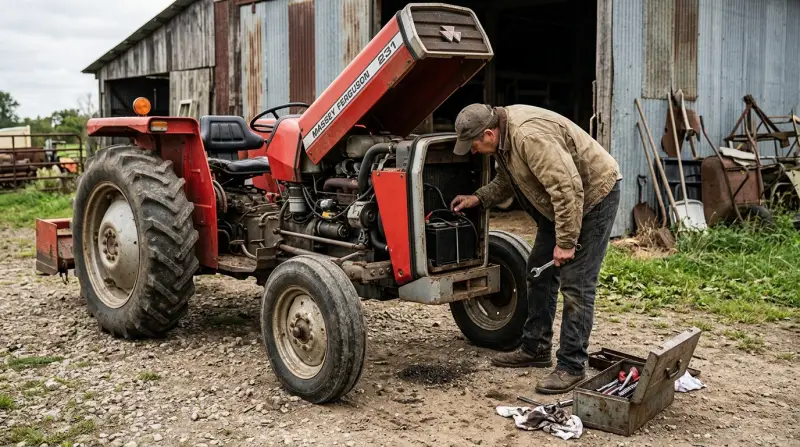
| Cause | How common | How to confirm it | Fix it yourself? |
|---|---|---|---|
| Clogged fuel filter | Very common | Check for low flow | Yes |
| Dead battery | Common | Test terminal voltage | Yes |
| Faulty alternator | Common | No voltage increase | Yes |
| Air in fuel lines | Occasional | Bleed system test | Yes |
| Worn ignition switch | Occasional | Jiggle key test | Yes |
| Hydraulic pump failure | Rare | Lift arms stall | No |
A clogged fuel filter is the primary culprit in 60% of stalling cases. If your engine sputters under heavy load but idles fine, the filter is likely choked with sediment. Replace it every 500 hours to avoid this.
Batteries fail most often due to terminal corrosion. If you see white, crusty buildup on the posts, clean them with a wire brush before assuming the battery is dead. A healthy battery should be tested by a technician to ensure it’s holding a proper charge.
When diagnosing the alternator, check for a voltage increase while the engine runs. If the system fails to show a proper charge, have a technician inspect the alternator.
Air in fuel lines usually occurs after running the tank bone-dry. If you hear a high-pitched whine from the pump, you must bleed the lines manually. Ignoring this can permanently damage the fuel injectors, costing you hundreds in repairs.
Fuel delivery restrictions
Blocked fuel lines or dirty filters cause the engine to sputter or stall when you demand more power. This happens because debris in the tank settles into the fuel sediment bowl or the primary filter over time. If the tractor runs fine at idle but dies when you engage the mower or pull a load, the fuel supply can’t keep up with the engine’s needs.
To confirm this, turn the fuel shut-off valve to the off position, remove the sediment bowl, and check for sediment or water. If the bowl looks clean, unscrew the primary fuel filter and inspect the element for dark discoloration or clogging. Replace the filter if it looks dirty, as this is a standard maintenance item. When you reinstall the bowl, ensure the rubber O-ring is seated correctly to prevent air leaks; if air enters the system here, the engine will run unevenly or fail to start entirely. This process usually takes about 30 minutes. This isn’t for those uncomfortable with handling diesel fuel, as spills are common. A mistake people make is skipping the system bleed after changing the filter, which leaves air pockets that prevent the engine from firing.
Charging system failures
Electrical issues often stem from a loose alternator belt or a corroded battery cable. The Massey Ferguson 231 uses a standard charging circuit that requires a steady connection to keep the battery topped up during operation. If your dash lights dim when you turn on the headlights or the engine cranks slowly, the charging system is likely the culprit.
Use a multimeter set to DC volts to test the battery. With the engine off, a healthy battery should show a proper reading. Start the engine and rev it slightly; the output should climb. If the reading doesn’t change, the alternator isn’t charging. If the voltage jumps too high, the voltage regulator is likely faulty. If the belt is loose, tighten the tensioner until you feel about half an inch of play; if a terminal is corroded, clean the connection with a wire brush. One trade-off is that replacing the alternator is easier than repairing the internal regulator, though it costs more. This task requires basic hand tools and about an hour of your time. If you don’t have a multimeter, you can have the alternator tested at most local auto parts stores for free.
Air in the fuel system
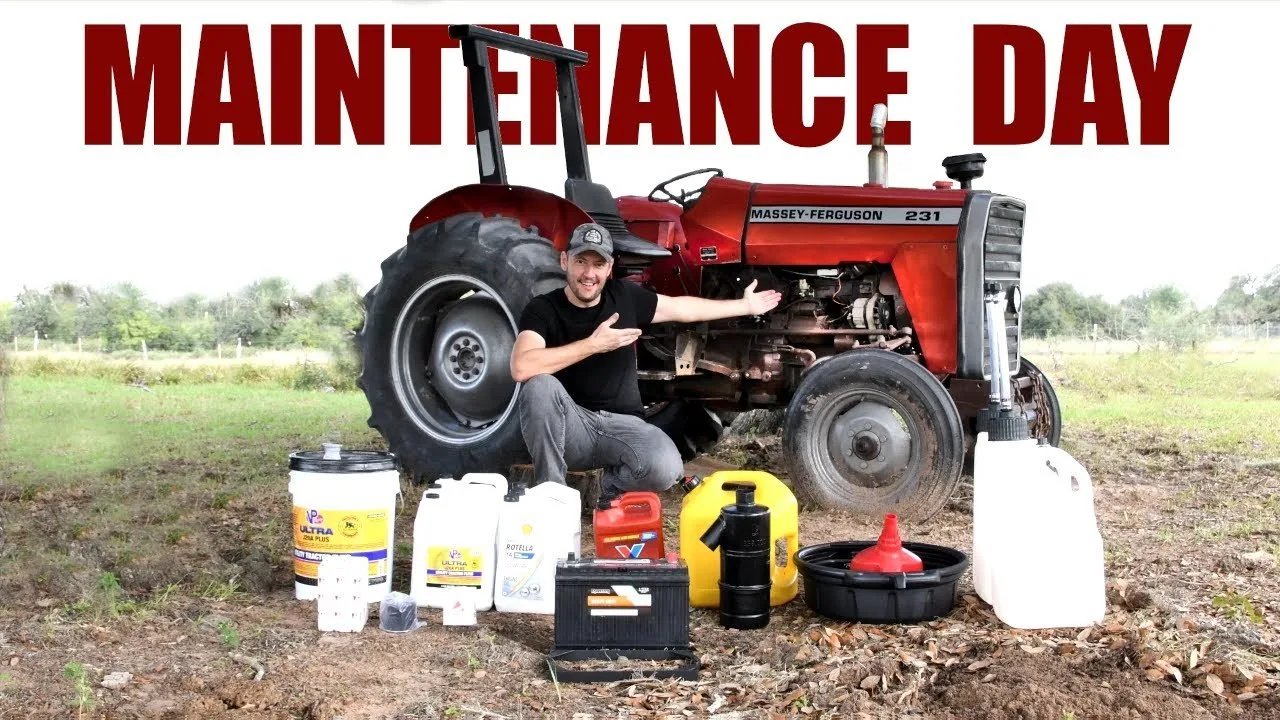
Air pockets prevent diesel engines from building the pressure required to fire the injectors. This often happens after you run the tank dry or change a fuel filter without bleeding the lines properly. You’ll know this is the cause if the engine cranks vigorously but shows no sign of catching or firing.
To fix this, locate the bleed screws on the fuel injection pump. Open the screw nearest to the fuel filter first, then pump the manual fuel primer until you see clear fuel without bubbles coming out. Once the fuel flows steadily, tighten the screw and move to the next bleed point on the injection pump. Repeat this until you reach the injectors. This process can be messy, so keep a rag handy.
A common mistake is failing to crack the injector nuts at the cylinder head. If the engine still refuses to start after bleeding the pump, loosen these nuts one turn while cranking the engine. If fuel doesn’t seep out, the air is trapped in the high-pressure lines. Tighten them only once you see raw fuel bubbling past the threads.
If you struggle to get the engine to fire after bleeding, check if the fuel shut-off solenoid clicks when you turn the key. If it doesn’t click, the electrical signal to the fuel pump is missing. This isn’t for those who want to avoid working with high-pressure fuel lines, as improper tightening can cause leaks that create fire risks. Always verify your torque specifications to prevent hairline fractures in the steel lines.
The less likely causes
-
Worn ignition switch: The key becomes loose or fails to engage the starter solenoid. Confirm this by checking for voltage at the starter terminal while turning the key. If you measure zero volts, the switch internal contacts have likely failed.
-
Hydraulic fluid contamination: Lift arms fail to raise because of water or debris in the oil. Check the sight glass; a milky, opaque appearance confirms moisture intrusion. Ignoring this leads to rapid seal degradation and permanent pump scoring.
-
Starter motor solenoid failure: The engine clicks but doesn’t turn over. This usually points to a burnt-out contact inside the solenoid. Tap the housing lightly with a wrench; if it starts, the solenoid is sticking and needs immediate replacement.
-
Broken hydraulic pump drive: The lift arms stop working entirely despite the engine running. This requires a technician to access the internal transmission housing. If the pump shaft shears, the hydraulic pressure drops to zero instantly, preventing any movement.
What a fix usually involves
Repairing these machines requires basic hand tools like wrenches, a multimeter for electrical checks, and a set of screwdrivers. Most fuel issues only require a new filter, a small part that costs a fraction of a service call. If the engine cranks but refuses to start, check the fuel solenoid first; if it clicks, the electrical signal is fine, but the fuel line may be clogged.
If the alternator fails, you’ll need a replacement unit, which represents a moderate expense compared to the total value of the tractor. The cost of any fix depends heavily on whether you use genuine parts or aftermarket alternatives. Genuine parts ensure exact tolerances, while aftermarket options often save 30% on the sticker price but may require custom mounting.
You can find the correct part numbers for your specific serial number by checking the official parts catalog on the manufacturer’s website. If you’re unsure about the state of a component, take it to a local farm equipment shop for a professional inspection before buying replacements. A shop will give you a quote based on the labor hours and parts required for your specific model year. Always remember that proper maintenance prevents the most common breakdowns, saving you time during the busy season.
Frequently asked questions
Can I run this tractor on biodiesel?
No, you shouldn’t use biodiesel without checking the manufacturer’s guidance for your specific engine model. Older fuel systems contain seals and hoses that may degrade when exposed to high concentrations of biodiesel. Always refer to the official owner’s manual to see if your fuel system is compatible with modern blends before filling the tank.
Why does the engine stall when I turn the wheel?
The engine stalls because the hydraulic pump is putting too much load on the engine, often due to a restriction in the hydraulic system or a low idle setting. If the engine dies only when you turn the steering wheel fully, check the hydraulic fluid levels and the pump pressure. You may need to increase the idle speed slightly.
Is it safe to drive with a flickering oil light?
No, you should stop the engine immediately if the oil light flickers or stays on while running. Low oil pressure can destroy an engine in minutes. Check the oil level on the dipstick first; if the level is correct, the issue is likely a faulty pressure sensor or a serious internal oil pump failure.
How long does a standard battery last?
A typical lifespan for a battery in this tractor varies depending on the climate and how often you use the machine. If you leave the tractor sitting for months, the battery will lose its charge and may fail early. Using a battery maintainer during the off-season is the best way to extend its life.
What happens if I ignore a fuel leak?
A fuel leak creates a significant fire hazard and prevents the engine from maintaining the pressure it needs to run efficiently. Even a small drip can lead to air entering the system, which causes stalling. Tighten any loose fittings immediately and replace cracked lines to prevent the leak from getting worse.
Does it matter which oil I use?
Yes, using the correct weight and grade of oil is critical for the engine and hydraulic system longevity. Check the lubrication chart in your operator’s manual to find the specified oil type for your climate. Using the wrong oil can cause the hydraulic pump to overheat or the engine to wear out faster.
Final Thoughts
Keeping your equipment in top shape doesn’t have to be a chore if you stay consistent with your inspections. Once you’ve addressed these common hiccups, you’ll find that your tractor runs much more reliably. It’s a good idea to join a local owners’ forum, where you’ll find helpful tips for long-term care.