
Low coolant levels in the engine cooling system are the most common reason you have a Nissan Titan heater not working, as the heater core can’t circulate hot fluid to warm your cabin. If your engine temperature gauge shows the needle rising into the red zone, pull over safely and turn off the engine immediately to prevent permanent damage. You can verify the coolant level by checking the translucent reservoir under the hood when the engine is completely cold. This simple check takes only a few minutes and requires no special tools.
Why your Nissan Titan heater isn’t working
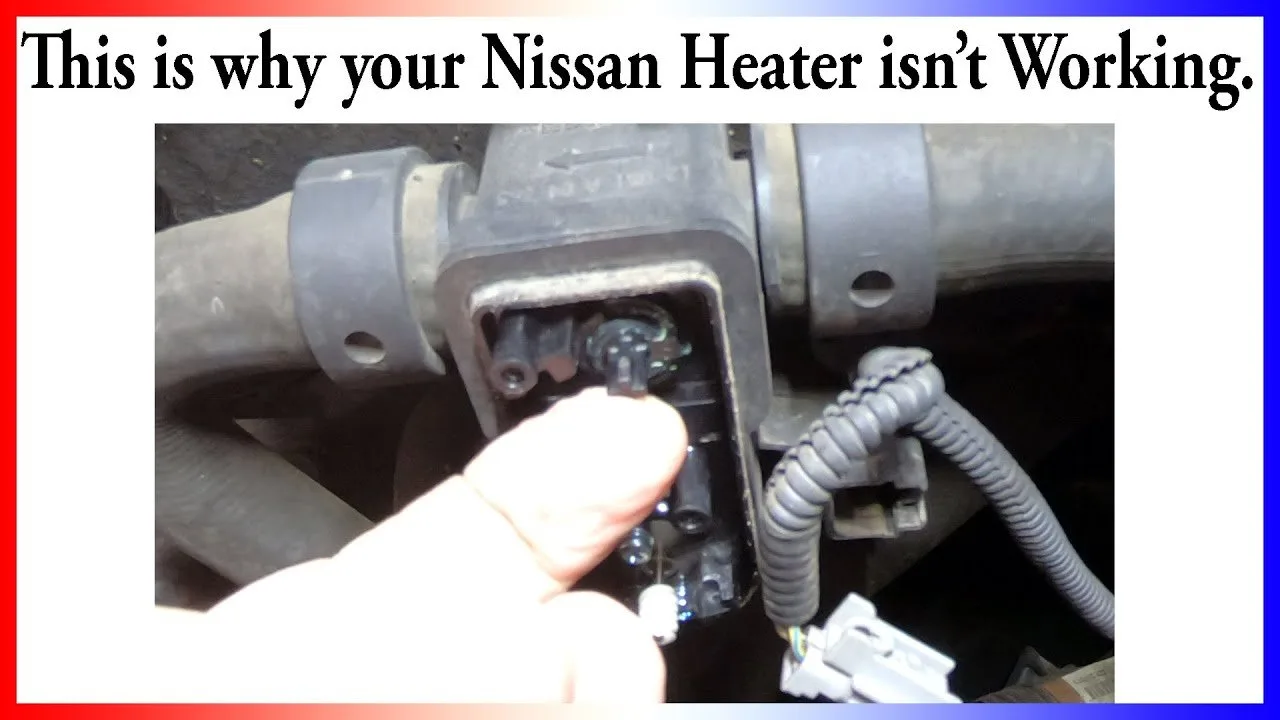
| Cause | How common | How to confirm it | Fix it yourself? |
|---|---|---|---|
| Low coolant level | Very common | Check the reservoir level | Yes |
| Failed thermostat | Common | Gauge stays cold/low | Yes with care |
| Air in system | Common | Gurgling sounds behind dash | Yes |
| Clogged heater core | Occasional | One hose hot, one cold | No |
| Broken blend door | Occasional | Temp doesn’t change | No |
| Bad blower motor | Rare | No air blowing at all | Yes |
Most drivers mistake a low coolant level for a mechanical failure. If your reservoir is empty, look for white crusty residue near the radiator seams. This indicates a leak that simple topping off won’t solve. You must pressure test the system to find the source.
If the gauge stays cold, the thermostat is likely stuck open. This prevents the engine from reaching operating temperature, which ruins your fuel economy. If the gauge spikes toward red, the thermostat is stuck shut. Stop driving immediately to avoid warping your cylinder head.
A clogged heater core is the most expensive repair on this list. You can confirm this by touching the two heater hoses near the firewall. If one is hot and the other is cold after ten minutes of idling, the core is blocked by sediment.
Low engine coolant levels
A low coolant level prevents the heater core from receiving the hot fluid it needs to transfer warmth into your cabin. The heater core acts like a mini-radiator; if the fluid is too low, the pump can’t circulate it through the core, leaving you with cold air even when the engine is running. You can confirm this by waiting for the engine to cool down completely, then inspecting the coolant overflow reservoir. The fluid should reach the “MAX” line marked on the plastic tank. If it’s below the “MIN” line, you must top it off with the specific coolant type listed in your Nissan owner manual.
Adding fluid usually takes ten minutes of your time and only costs the price of a jug of coolant. If you find the level is low, look for white spots or wet puddles under the truck, as this indicates a leak. If the level is simply low, top it off and monitor it; if there’s a persistent leak, don’t keep driving, as this can lead to engine overheating. This varies by model — check the label on your radiator cap or reservoir to see if your Titan requires a specific blue or green long-life coolant. Never open the radiator cap while the engine is hot, as the system is under high pressure and can spray boiling liquid, causing severe burns. If you top it off and the heat returns, you have solved the issue. If the heat remains cold, the problem lies elsewhere.
A stuck engine thermostat
A thermostat that’s stuck in the open position prevents the engine from reaching its proper operating temperature, which in turn means the heater core never gets hot enough to warm the air. You can tell this apart from low coolant because the engine temperature gauge on your dash will likely stay low or take an exceptionally long time to rise, even after driving for several miles. While a stuck-closed thermostat causes the gauge to spike toward the hot side, a stuck-open thermostat keeps the needle pinned near the bottom.
Replacing a thermostat is a common maintenance task, but it requires draining a portion of the cooling system and handling hot components. If you decide to do this, ensure the engine is stone cold to avoid pressure burns. You’ll need a new gasket and the correct thermostat part for your specific engine size. A mistake people often make is failing to “burp” the system after refilling it, which leaves air pockets trapped in the heater core. This costs you extra time because you’ll have to repeat the filling process. If you aren’t comfortable working with cooling hoses or don’t have a drain pan to catch the old fluid, this is a job for a professional mechanic. The trade-off is the cost of labor versus the risk of spilling chemicals or failing to seal the new gasket properly.
Air trapped in the heater core
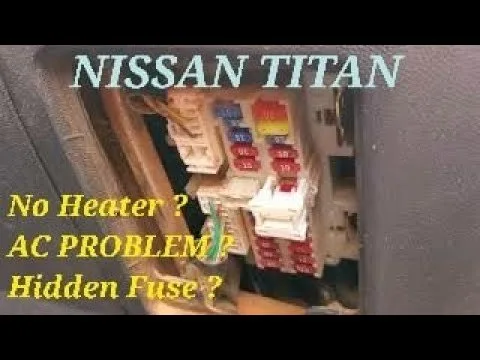
Air pockets trapped inside the heater core prevent hot coolant from flowing, which often results in cold air and a distinct gurgling or rushing water sound coming from behind the dashboard. This happens if the system was recently serviced, topped off incorrectly, or if a small leak allows air to enter the loop. You can distinguish this from a clogged core because the gurgling sound is almost always present when you accelerate or change engine speed.
To fix this, you must “bleed” the air out of the cooling system. This involves running the engine with the heater set to the highest temperature and the fan on low while monitoring the coolant level. As the engine warms up, the thermostat opens and pushes air bubbles toward the reservoir. You may need to gently squeeze the upper radiator hose to help move the air along. This process can take thirty minutes or more of idling. If the gurgling continues after you have attempted to bleed the air, you likely have a persistent leak that’s sucking in air every time the engine cools down. This isn’t for those who lack the patience to monitor engine temperatures closely or who don’t have a safe, ventilated space to let the truck run. If you can’t get the heat to return after two attempts, seek a professional to perform a vacuum-fill of the cooling system.
The less likely causes
- Clogged heater core: If one heater hose is very hot and the other is cold, the core is likely blocked with debris and needs professional flushing or replacement.
- Broken blend door: If the air temperature doesn’t change when you move the dash dial, a plastic gear or motor inside the dash has likely failed, which requires significant interior disassembly.
- Failed blower motor: If you hear no air moving at all regardless of the speed setting, the electric fan motor has likely burned out and needs a simple swap.
- Blocked cabin air filter: If the airflow is very weak but the air feels warm, a heavily clogged filter is restricting the movement of air through the system.
What a fix usually involves
Fixing a heater issue depends entirely on the root cause. A simple top-off of coolant requires only a jug of fluid and a few minutes of your time. If the thermostat has failed, you’ll need the part, a new gasket, and fresh coolant, which is a moderate repair cost. A clogged heater core or a broken blend door motor is much more involved, often requiring a shop to remove parts of the dashboard or perform a deep system flush. These repairs carry a higher cost because of the labor time involved.
You can find the exact part numbers and fluid requirements for your specific Titan by checking the manufacturer’s official website or the sticker located under your hood. Before you buy parts, call a local shop and ask for a diagnostic quote. Tell them the symptoms clearly, such as “the gauge stays cold” or “I hear gurgling,” so they can give you a more accurate estimate of the time required. Avoid buying parts until you have confirmed the cause, as guessing leads to wasted money on items you don’t need.
Frequently asked questions
Can I drive with no heat?
Yes, you can safely drive the truck as long as the engine temperature gauge remains in the normal range. However, if the heater isn’t working because the coolant level is low, you risk overheating the engine. Check your coolant levels immediately before driving to ensure you aren’t running the engine dry, which causes severe and permanent internal damage.
Why is my heater blowing cold air?
The most likely reason is low coolant, which prevents hot fluid from reaching the heater core inside your cabin. Other possibilities include a stuck thermostat, air trapped in the cooling lines, or a mechanical failure in the dash controls. Always check your engine temperature gauge first to see if the engine itself is running too cold or too hot.
Is it safe to add water to the cooling system?
No, you should use the specific coolant mixture recommended by the manufacturer to prevent corrosion and freezing. While a small amount of distilled water may work in an emergency to get you home, it doesn’t provide the protection your engine needs long-term. Check your owner’s manual for the exact coolant type and ratio required for your specific year and engine.
How long does it take to fix?
A simple coolant top-off takes about ten minutes, while replacing a thermostat or bleeding air takes between thirty minutes and an hour. If the issue is a broken blend door or a clogged core, expect the repair to take several hours or even a full day of shop time. Always ask for a time estimate when you take your vehicle to a professional.
Does it matter if I use the wrong coolant?
Yes, using the wrong coolant can lead to sludge buildup, corrosion of the radiator, and potential damage to the water pump. Different engine materials require specific chemical additives found in the correct coolant formula. You can find the exact specification required for your truck in the maintenance section of your owner’s manual or on the coolant reservoir cap.
What happens if I ignore the gurgling sound?
Ignoring the gurgling sound usually leads to a complete loss of heat and potential engine overheating as air pockets prevent proper cooling. If you hear this sound, check your coolant reservoir level immediately. If the level is correct but the sound persists, you likely have a leak that needs professional attention before it causes a breakdown on the road.
Final Thoughts
If these quick checks don’t get your vents blowing hot air again, it’s best to visit a trusted mechanic. They’ll have the right equipment to inspect your thermostat or flush out a clogged core. Getting it fixed soon ensures you’ll stay cozy and comfortable during those chilly winter drives ahead.
Related guides