
Most Phoenix Arms HP22 problems stem from low-velocity ammunition or dirty slide rails. These issues typically manifest as failure-to-feed or failure-to-eject malfunctions. You can confirm if your firearm is affected by inspecting the slide for carbon buildup or switching to high-velocity rounds.
Common Phoenix Arms performance issues

| Cause | How common | How to confirm it | Fix it yourself? |
|---|---|---|---|
| Low-velocity ammunition | Frequent | Check box for velocity | Yes |
| Dirty slide rails | Common | Look for black grime | Yes |
| Worn recoil spring | Occasional | Slide feels loose | Yes |
| Magazine feed lips | Occasional | Inspect for bends | Yes |
| Improper grip | Rare | Watch for limp wristing | Yes |
| Internal part breakage | Very rare | Inspect for cracks | No |
Most shooters blame the firearm first, but ammunition velocity is the primary culprit. If your box lists a muzzle velocity below 1,100 feet per second, the slide may lack the inertia required to cycle fully.
If the slide moves sluggishly, check the rails for carbon buildup. If you see thick, black sludge, the friction is likely causing a failure to eject. Use a high-quality solvent to strip the residue.
Distinguish between a worn spring and a mechanical failure by checking the slide’s resistance. If the slide feels “mushy” or lacks tension when pulled back, the spring has lost its compression rating. Replace it immediately.
A common mistake is over-lubricating the weapon. If you apply oil to the magazine well, dirt will adhere to the feed lips, causing jams. If the gun cycles fine for others but fails for you, tighten your wrist. A loose grip absorbs the energy needed to reset the slide. If the slide locks back mid-magazine, the spring is likely the issue.
Build-up of carbon on slide rails
Carbon residue on the slide rails is the primary cause of cycling issues in this firearm. Because the pistol uses a direct blowback design, the slide relies entirely on the force of the cartridge to move backward. If the rails are dry or covered in thick, burned powder, the friction slows the slide down. This prevents the empty casing from ejecting fully or the next round from chambering.
To test this, pull the slide back slowly while the pistol is empty. If you feel gritty resistance or if the slide sticks at any point, the rails need cleaning. Use a high-quality firearm solvent and a nylon brush to remove all black residue from the tracks. After cleaning, apply a very light coat of synthetic gun oil to the rails. Don’t over-oil, as excess liquid attracts more dust and powder. If you notice the slide still drags after a thorough cleaning, the finish on the frame might be worn. This fix usually takes about 15 minutes of your time. If you use a heavy grease instead of a light oil, the action will likely slow down again after only a few shots, so stick to thin lubricants. This varies by model — check the label on your specific lubrication product to ensure it’s rated for metal-on-metal contact.
Ammunition velocity and cycle timing
The pistol requires high-velocity ammunition to operate its blowback mechanism correctly. If you use subsonic or standard-velocity rounds, the slide often fails to travel far enough to reset the trigger or pick up the next round. You can distinguish this cause from a dirty gun by checking the box of ammunition you’re using. If the box says “subsonic” or “target load” with a low feet-per-second rating, your firearm is likely fine, but the ammunition lacks the power to push the slide.
Switch to a high-velocity .22 LR round with a copper-plated bullet to improve reliability. These rounds provide the consistent pressure needed to snap the slide back sharply. If you’re using a bulk pack of lead-nose ammo, expect more frequent jamming because the lead shavings break off and clog the action. This is a common mistake people make; they buy the cheapest bulk ammo available, which costs them time in constant clearing of jams. If you switch to premium high-velocity rounds and the pistol still fails to cycle, the issue is internal. This is a trade-off: higher-quality ammunition costs more per box but significantly reduces the time spent clearing malfunctions at the range.
Weakened recoil spring tension
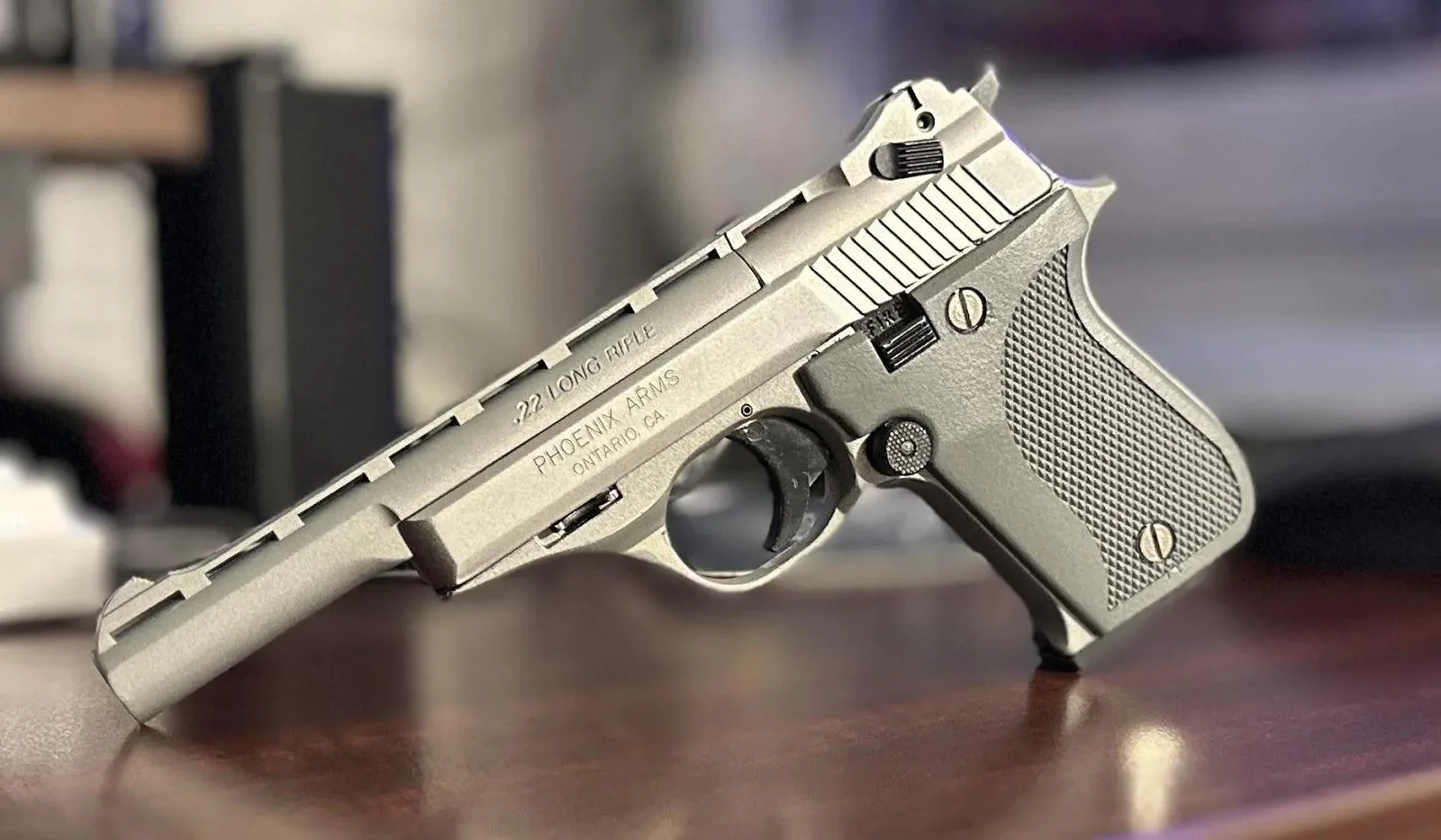
A worn recoil spring fails to return the slide to the battery position with enough force. When this happens, the slide may stop just short of closing, leaving the pistol slightly out of battery. You can confirm this by checking the gap between the slide and the barrel hood. If you can push the slide forward manually with your thumb to close the gap, the spring has likely lost its tension.
This is a simple task that requires only a small punch tool to remove the slide stop. If you replace the spring, the slide should snap forward with a crisp, audible click when released from the locked position.
Most shooters mistake this sluggish slide movement for a dirty feed ramp. If you clean the gun and the issue persists, the spring is the culprit. Ignoring this costs you more than just reliability; a weak spring increases the force of the slide hitting the frame, which leads to cracked polymer or metal fatigue.
This is who this is NOT for: anyone who isn’t comfortable disassembling the slide assembly should visit a professional gunsmith. Trying to force a stiff spring into place without the right technique can damage the slide housing.
The less likely causes
-
Damaged magazine lips: If the top edges of the magazine are bent, the round will nose-dive into the feed ramp. This requires a new magazine. A simple test is to load a single round and see if it sits level; if the bullet points downward, the feed lips are compromised.
-
Limp wristing: Holding the pistol too loosely prevents the frame from staying stable, which ruins the cycle. Keep a firm grip. If you see the slide fail to return to battery while the empty casing is jammed sideways, you’re likely absorbing too much recoil energy.
-
Worn firing pin: An inconsistent strike on the rim of the cartridge causes failure to fire. This requires a part replacement. Inspect the primer for a shallow indentation; a light strike often signals a degraded spring or a rounded pin tip.
-
Bent extractor claw: If the hook that pulls the casing out is chipped, the empty shell stays in the chamber. This needs professional repair. If you find a “double feed” where a new round tries to enter a chamber already occupied by a spent case, the extractor has failed to clear the breech.
What a fix usually involves
Most repairs for this firearm involve simple cleaning or replacing small parts like springs or magazines. A basic maintenance kit, including a cleaning rod, patches, and solvent, is a small part of the total investment. These items can be found at any major outdoor retailer.
If you need a replacement part, search the manufacturer’s catalog to match the specific revision to your serial number. Using the wrong revision risks a failure to feed or, worse, a safety malfunction.
If a professional repair is necessary, costs depend on the gunsmith’s hourly rate and part availability. Always demand a written quote before leaving your firearm. A simple spring replacement is inexpensive, but labor costs can quickly exceed the pistol’s value if the frame requires machining or custom fitting.
Finally, verify your warranty status on the official website before attempting any internal modifications. Opening the frame often voids your coverage, leaving you liable for expensive factory repairs.
Frequently asked questions

Can I use any .22 LR ammo?
No, you should only use high-velocity .22 LR ammunition. The blowback design requires the higher pressure of high-velocity rounds to cycle the slide reliably. Using standard velocity or subsonic ammunition will almost certainly result in constant jamming and failure-to-eject issues. Check the manufacturer’s website for the specific velocity ratings recommended for your barrel length.
How long does the recoil spring last?
About 1,000 to 1,500 rounds is the average lifespan for a recoil spring. You’ll notice it needs replacing when the slide feels sluggish or the pistol starts failing to return to battery. If you shoot very hot or high-pressure rounds, the spring will wear out faster than if you stick to standard high-velocity options.
Is it safe to shoot if it jams?
No, you should stop immediately if the pistol jams consistently. Repeatedly forcing a jammed slide can damage the extractor or the feed ramp. Clear the obstruction safely while keeping the muzzle pointed in a safe direction. If you can’t clear the jam by following the manual’s procedure, take the firearm to a professional gunsmith for inspection.
What happens if I use lead-nose bullets?
Lead-nose bullets often cause excess fouling and residue buildup in the chamber. Because the lead is soft, small shavings can break off during feeding and accumulate in the slide rails. This buildup creates friction that slows down the action. Using copper-plated, high-velocity rounds will significantly reduce this type of cleaning requirement.
Does it matter if I use gun grease?
Yes, using heavy gun grease is usually a mistake for this model. Grease is too thick for the tight tolerances of the slide rails and will attract powder residue quickly. You should use a light, synthetic gun oil instead. Apply only a single drop to each rail and wipe away any excess with a clean cloth.
Why is the slide hard to pull back?
The slide may be hard to pull back if the recoil spring is new or if there’s heavy carbon buildup. If the pistol is new, the spring will loosen slightly after the first 100 rounds. If the pistol is older, check the rails for dried oil or grit that might be creating friction against the frame.
Final Thoughts
Keeping your pistol clean and well-lubricated will help it run smoothly for years to come. If you’re still having trouble after trying different ammo, don’t hesitate to reach out to the manufacturer’s support team. They’re happy to help, and you’ll be back at the range in no time at all.
Related guides