
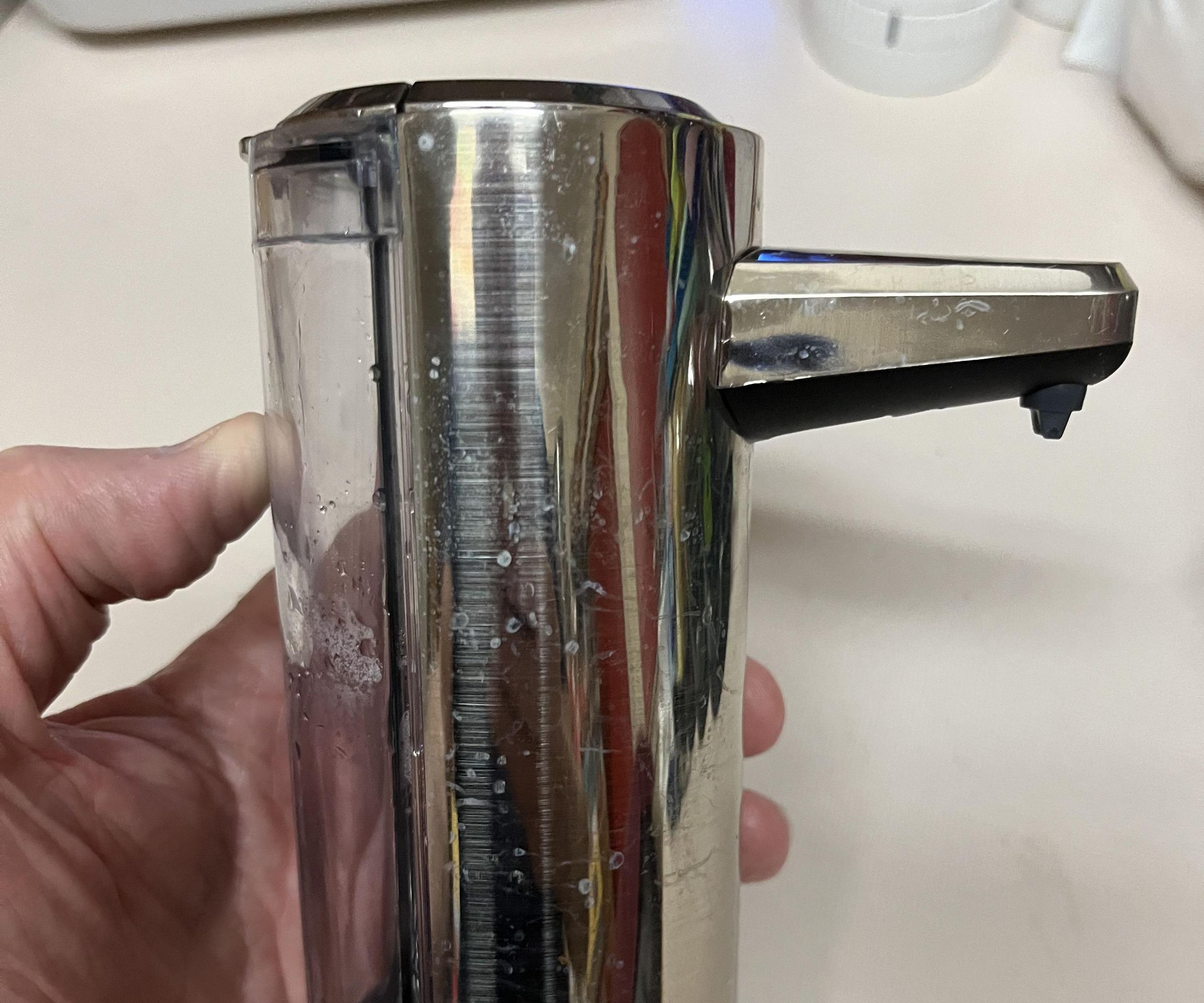
A Simplehuman soap dispenser can make your kitchen or bathroom feel modern, clean, and efficient. These touchless dispensers look sleek and promise a mess-free handwashing experience. But what happens when your Simplehuman soap dispenser stops working? Many users have faced issues that can turn a handy gadget into a daily annoyance.
Understanding these problems, their causes, and solutions can save you time, money, and frustration. This guide explores the common Simplehuman soap dispenser problems and how you can solve them.
Why Simplehuman Soap Dispensers Are So Popular
Simplehuman soap dispensers are known for their sensor technology and stylish design. They help reduce cross-contamination by not needing to be touched. You simply place your hand under the spout, and the right amount of soap comes out. They are also adjustable, so you can control how much soap is dispensed. In busy households or public spaces, this feature saves money and soap.
But even the best-designed products can have problems. Knowing about these ahead of time helps you decide if a Simplehuman dispenser is right for you—and prepares you to fix issues quickly.
Most Common Simplehuman Soap Dispenser Problems
Several issues can affect Simplehuman soap dispensers, from not dispensing soap to leaking or sensor failures. Here are the most frequent problems users report:
Dispenser Not Dispensing Soap
This is the most common complaint. The dispenser makes a noise, but no soap comes out. Causes include:
- Clogged soap tube due to thick soap or residue
- Soap container is empty
- Battery is low or not charged
- Internal mechanism jammed
Leaking Soap
Soap leaks from the nozzle, base, or body. This can make your countertop sticky and waste soap. Reasons include:
- Faulty seals inside the pump
- Overfilled soap compartment
- Cracks in the container
Sensor Malfunctions
The dispenser activates by itself or does not respond at all. Sometimes, it dispenses soap without hands nearby. Possible causes are:
- Dirty sensor window
- Water or soap blocking the sensor
- Electrical short or static
Weak Or Uneven Dispensing
Soap comes out in weak spurts or inconsistent amounts. This can be due to:
- Thick or old soap clogging the pump
- Air bubbles trapped inside
- Low battery
Power Problems
The dispenser will not turn on, or the charging light does not work. This could be caused by:
- Dead batteries or battery corrosion
- Faulty charging cable or port
- Internal circuit failure

Quick Troubleshooting Steps
Before you call customer support or buy a new unit, try these troubleshooting steps for your Simplehuman soap dispenser.
- Check the soap level. Sometimes the answer is simple—the tank is empty.
- Clean the sensor. Use a damp cloth to gently wipe the sensor window. Dirt or soap film can confuse the sensor.
- Rinse the pump. Fill the tank with warm water (not soap) and run the dispenser several times. This helps clear blockages.
- Change the batteries or fully charge the unit.
- Use compatible soap. Simplehuman dispensers work best with their own soap or similar thin liquid soaps.
- Prime the pump. If the dispenser was just refilled or not used for a while, you may need to prime it by running the dispenser several times.
When To Repair And When To Replace
How do you know if your Simplehuman dispenser is worth fixing? Let’s compare common problems, difficulty of repair, and cost:
| Problem | Repair Difficulty | Replacement Cost |
|---|---|---|
| Clogged Pump | Easy (DIY) | Low |
| Dead Sensor | Difficult (Needs parts) | Medium-High |
| Leaking Body | Hard (Not always fixable) | High |
| Battery Issue | Medium (Depends on model) | Medium |
Non-obvious insight: Many users do not realize that if the body is cracked or the sensor is dead, repairs can be as expensive as a new dispenser. It’s wise to check your warranty before attempting a difficult fix.
How To Fix Simplehuman Soap Dispenser Problems
Let’s break down the solutions by problem type.
Fixing A Dispenser That Won’t Dispense
- Clean the nozzle and tube. Remove the tank, fill it with warm water, and activate the pump several times. This removes built-up soap.
- Check for clogs. Push a thin wire or toothpick gently into the nozzle to clear blockages.
- Use thinner soap. If you use thick soap, dilute it with a little water (not too much, or it may not lather).
Fixing Leaks
- Check for cracks. Inspect the soap container and nozzle for any visible damage.
- Do not overfill. Leave a small air gap at the top when refilling.
- Replace seals. If your model allows, swap out worn rubber seals. Some models do not allow easy access to this part.
Sensor Problems
- Clean the sensor window with a soft, damp cloth. Avoid harsh chemicals.
- Move the dispenser away from direct sunlight or reflective surfaces. Bright light can confuse infrared sensors.
- Reset the unit by turning it off and on. For rechargeable models, unplug and replug after a few minutes.
Uneven Or Weak Dispensing
- Prime the pump. Run the unit several times to remove air bubbles.
- Charge or replace batteries if the pump sounds weak.
- Check soap quality. Old or thick soap should be replaced.
Power And Charging Issues
- Inspect the battery compartment for leaks or corrosion. Clean with a cotton swab and rubbing alcohol if needed.
- Try a different charging cable or adapter.
- Contact customer support if the unit still does not charge.
Preventing Simplehuman Soap Dispenser Issues
You can avoid many problems with proper use and maintenance.
- Use recommended soap. Simplehuman dispensers are designed for thin, liquid soap. Avoid foaming, gel, or grainy soaps.
- Clean regularly. Wipe down the exterior and sensor area weekly.
- Don’t submerge in water. Only clean with a damp cloth.
- Avoid overfilling. Leave space for air to prevent leaks and pressure buildup.
- Charge as needed. Don’t let batteries run completely flat.
Maintenance Schedule Example
Here’s a quick guide to keeping your dispenser in top shape:
| Task | Frequency |
|---|---|
| Wipe exterior/sensor | Weekly |
| Rinse pump with water | Monthly |
| Check for leaks/cracks | Quarterly |
| Replace batteries/charge | As needed |
Simplehuman Models And Problem Frequency
Not all Simplehuman dispensers are the same. Some models have rechargeable batteries, others use replaceable batteries. Some have a wide spout, others are slim.
Here’s a comparison of popular models and what problems users report most:
| Model | Common Problem | User-Reported Frequency |
|---|---|---|
| Rechargeable Sensor Pump | Charging issues | Medium |
| Compact Sensor Pump | Clogging with thick soap | High |
| Foaming Sensor Pump | Dispensing air only | Medium |
Non-obvious insight: The Compact Sensor Pump is more likely to clog if you use regular hand soap instead of Simplehuman’s own formula, while the Rechargeable Sensor Pump rarely has dispensing issues but may develop charging port problems over time.
Real-world Examples
Consider the story of Anna, who bought a Simplehuman dispenser for her kitchen. After three months, it stopped pumping soap. She tried rinsing with water, but nothing happened. She later found out she was using a thick, moisturizing soap, which caused a clog.
Switching to a thinner liquid and cleaning the pump solved her problem.
Another user, Mark, noticed his dispenser would sometimes activate on its own. He had placed it near a sunny window. Moving the dispenser away from direct sunlight fixed the false triggering.
When To Contact Simplehuman Support
If your dispenser is under warranty or you’ve tried all the steps above, reach out to Simplehuman customer service. Keep your purchase receipt and model number ready. Simplehuman’s support is known for being responsive, and in many cases, they offer a replacement if your unit is defective.
For more information on troubleshooting and warranty, visit the official Simplehuman Support page.
Frequently Asked Questions
Why Does My Simplehuman Soap Dispenser Keep Clogging?
Clogs usually happen when using thick or gel-based soaps. These can block the pump and nozzle. Always use liquid soap that is thin and formulated for automatic dispensers. Rinsing the pump with warm water monthly helps prevent buildup.
Can I Use Any Soap In My Simplehuman Dispenser?
No, it’s best to use Simplehuman’s own soap or a similar thin, liquid soap. Avoid foaming, exfoliating, or moisturizing soaps with beads, as they can clog the mechanism.
How Do I Reset My Simplehuman Soap Dispenser?
For most models, turn the unit off and back on, or unplug and replug if it’s rechargeable. Some models have a reset button underneath. Check your manual for details.
Is It Safe To Take Apart My Simplehuman Dispenser To Clean It?
Opening the dispenser can void the warranty and may damage delicate parts. Only remove parts meant to be detached (like the soap tank or nozzle) for cleaning. Never open the main body unless instructed by support.
What Should I Do If My Dispenser Leaks?
First, check for cracks or overfilling. Make sure the seals are in place and not worn out. If leaking continues and the unit is under warranty, contact Simplehuman support for help.
A Simplehuman soap dispenser can be a great addition to your home, but it’s important to know what can go wrong and how to fix it. With proper care and the right soap, these dispensers work well for years. If you do have issues, many are simple to resolve at home.
For persistent problems, Simplehuman’s support team is there to help. By following the tips and solutions in this guide, you can keep your dispenser working smoothly and enjoy a cleaner, more convenient handwashing experience.