
A clogged drain pump or a blockage in the drain hose is the cause of a Whirlpool Washer E1 F9, which indicates that the machine can’t remove water effectively during the cycle. This error occurs when the control board senses the water level isn’t dropping at the expected rate. To fix this, you should check the drain hose for kinks and clear the pump filter of any debris. If the pump doesn’t run at all, check the electrical connections and the pump motor, as a submerged hose doesn’t prevent the pump from activating.
Causes of your whirlpool washer error

This error code triggers when the washer’s internal sensor detects that water remains in the tub after the pump has been running for a set period. The primary mechanism is a disruption in the water flow path. The pump is designed to push water out of the drum and through the drain hose into your home’s standpipe or sink. If that path is obstructed, the pressure builds up, and the washer stops the cycle to prevent flooding or motor damage.
Another reason for this code is an issue with the pump assembly itself. If small items like coins, buttons, or hairpins enter the drain pump, they can jam the impeller. When the impeller can’t spin, the pump can’t move water, and the machine displays the E1 F9 code.
Finally, the error can appear if the drain hose is installed incorrectly. If the hose is pushed too far into the standpipe, it can create a siphon effect or become blocked by the pipe wall. According to the official Whirlpool product support documentation, improper hose height or length can also prevent the pump from overcoming the gravity needed to empty the drum. Always verify that your drain hose height meets the specific installation requirements for your model, as this varies by model — check the label on the back of your unit or the manual.
Check the drain hose for obstructions
Before you do anything else, inspect the drain hose for physical blockages. A kinked hose is a common mistake that prevents water from flowing, and it can cost you time and a potential service call fee if you don’t check it first.
Start by pulling the washer away from the wall. Locate the drain hose where it exits the machine and follow it to the standpipe. Look for any sharp bends or points where the hose is pinched against the wall. If you find a kink, straighten the hose and ensure it has a smooth path to the drain.
Next, disconnect the hose from the standpipe and check for debris. If you have a sink drain, ensure the trap is clear. If the water flows out freely when you lower the hose into a bucket, the blockage is likely in your home plumbing rather than the washer. However, if the water remains in the machine, the issue is inside the washer cabinet.
This fix is for anyone who can safely move their appliance. If you suspect the hose is damaged or if the blockage is deep inside the internal plumbing of the washer, don’t attempt to disassemble the unit yourself. A capacitor can hold a lethal charge even when the machine is unplugged, so leave internal repairs to a qualified technician.
Clean the pump filter
If the hoses are clear, the drain pump filter is the next place to look. This filter catches small objects that bypass the drum. This isn’t for you if your model has an internal pump that isn’t accessible from the front or bottom panel; in those cases, you must consult a professional.
To access the filter, locate the small door at the bottom front of your washer. Place a shallow pan or several towels under the door to catch the water that will spill out. Open the door and slowly unscrew the filter cap. Be careful, as water will rush out immediately.
Once the water has drained, remove the filter and pull out any lint, coins, or debris. Rinse the filter under a faucet to remove any slime or buildup. Inspect the pump cavity with a flashlight to ensure no objects are stuck in the impeller blades. Screw the filter back in firmly until it’s hand-tight. Run a “Drain and Spin” cycle to see if the error clears. If the pump makes a grinding noise or fails to spin after cleaning, the pump motor might be failing and requires replacement by a technician.
Test the drain system
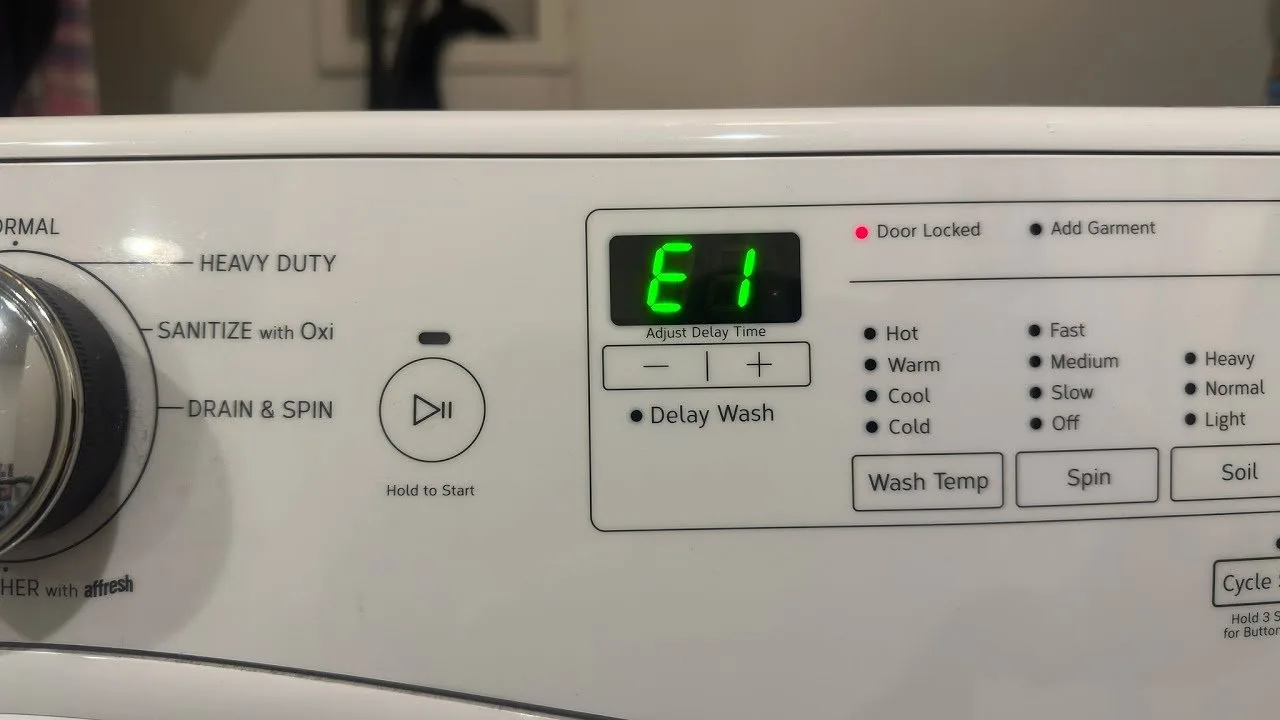
If the error persists after checking the hose and the filter, you must test the drain system to rule out a faulty pressure sensor. This test helps you determine if the issue is a simple blockage or a mechanical failure.
Fill the washer with exactly two gallons of water manually using a bucket. Once the water is in the drum, select the “Drain and Spin” cycle. Listen closely to the machine. You should hear a steady humming or whirring sound within ten seconds of the cycle starting. If you hear nothing, the pump motor isn’t receiving power or has burned out.
If you hear the pump running but no water exits the hose, the pump impeller is likely broken or detached from the motor shaft. A common mistake is assuming the pump is fine because it makes noise; however, a spinning motor doesn’t guarantee water movement if the impeller blades are sheared.
The decision rule is simple: if the pump is silent, check the wiring harness for continuity. If the pump hums but the water level remains static, replace the pump assembly entirely.
If you aren’t comfortable using a multimeter to test for voltage at the pump, or if the pump remains silent despite having power, call a professional. Never attempt to test live electrical components if you lack the proper training or equipment. This carries a high risk of electric shock, which far outweighs the cost of a service call.
What not to do
Don’t pour harsh chemical drain cleaners into the washer; these are designed for pipes, not for the rubber seals and plastic components inside a delicate washing machine. Using these chemicals often causes the internal bellows to crack or dissolve, leading to leaks that ruin your floor.
Ensure the drain hose isn’t inserted too far into the standpipe, as this can cause siphoning issues. If the drain hose outlet is lower than the water level in the drum, the machine may siphon water out during the fill cycle.
Don’t attempt to open the motor housing or the control panel to “reset” the board. These areas contain high-voltage capacitors that hold a lethal charge even after the power is unplugged.
Don’t force the cycle to continue by repeatedly pressing start. If the machine stalls, it usually signals a blockage. Forcing it overheats the pump motor and turns a simple debris removal into a total pump replacement.
How to stop it happening again
Regular maintenance is the most effective way to prevent the E1 F9 error from returning to your laundry routine.
| If you’re doing this | Do this instead | Why |
|---|---|---|
| Washing items with coins | Empty all pockets first | Small items jam the pump impeller |
| Skipping regular cleanings | Run a tub clean cycle monthly | Prevents lint and soap scum buildup |
| Pushing the hose deep | Secure it with a clamp | Prevents siphoning and backflow issues |
| Ignoring strange sounds | Inspect the filter immediately | Catches small jams before they break parts |
Most owners fail by ignoring the drain filter until the machine stops entirely. This oversight often costs a significant service call fee. If you hear a rhythmic clicking during the drain phase, stop the cycle immediately. A clicking sound indicates a foreign object is already striking the impeller.
If the machine drains slowly but shows no error, check the drain hose height. The drain standpipe must be between 30 and 96 inches from the floor. If the drain hose outlet is lower than the water level in the drum, the machine may siphon water out during the fill cycle.
Frequently asked questions
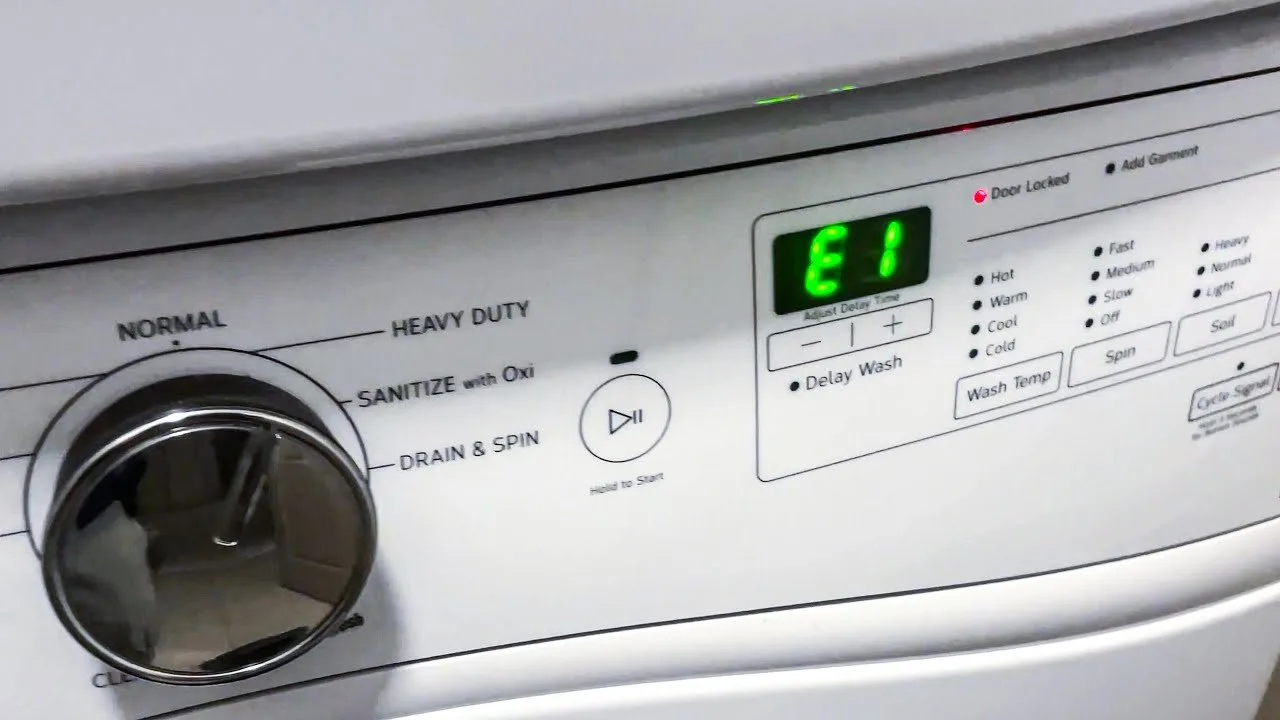
Can I fix a Whirlpool Washer E1 F9 myself?
You can fix this error yourself if the cause is a simple blockage in the drain hose or pump filter. Most users resolve this by clearing debris or straightening a kinked hose. However, if these steps fail, the issue may involve a faulty motor or sensor.
How long should the drain cycle take?
A standard drain cycle takes between two and five minutes to empty the tub, depending on water volume and pipe height. If your washer takes significantly longer, it indicates the pump is struggling. Note that very long or high-mounted hoses may naturally require more time to clear water.
Is it safe to run the washer with this error?
It isn’t safe to run the washer while an E1 F9 error is active because the machine can’t properly remove water. Forcing a cycle can lead to leaks or an overheated pump motor. Always clear the obstruction first to allow the error to resolve itself.
What happens if I ignore the E1 F9 code?
Ignoring the code will cause the washer to stop mid-cycle, leaving clothes soaking wet. Repeatedly ignoring the error puts strain on the drain pump motor, which can cause it to burn out. Address the error immediately to prevent motor failure and potential water damage.
Why does my washer drain slowly?
Your washer drains slowly because the pump is likely struggling against a partial obstruction or an aging impeller. Check the drain hose and pump filter for debris that might be narrowing the water path. Maintenance schedules for cleaning the filter vary by model, so check your specific machine label.
Final Thoughts
If you’ve cleared the blockage and the water still won’t drain, it’s time to test the pump for a mechanical failure. Don’t worry if you aren’t comfortable with electrical repairs; it’s perfectly fine to call a professional. Getting it fixed quickly will keep your laundry routine running smoothly for years.