
A Whirlpool dishwasher leaking onto your floor is usually caused by a damaged door gasket or blocked spray arm, which you can often fix yourself. Stop the cycle immediately and turn off the power at the circuit breaker to prevent hazards. If water pools underneath, check for a loose hose connection or a cracked drain pump.
Stop your Whirlpool dishwasher leaking immediately
-
Press the “Cancel/Drain” button to remove standing water from the tub. Wait until the pump noise stops completely, which usually takes about two minutes. If the water remains, the drain hose may be kinked or clogged.
-
Flip the circuit breaker for the dishwasher to the “Off” position to ensure safety. Don’t rely on the wall switch alone, as residual current can still pose a shock risk during internal repairs.
-
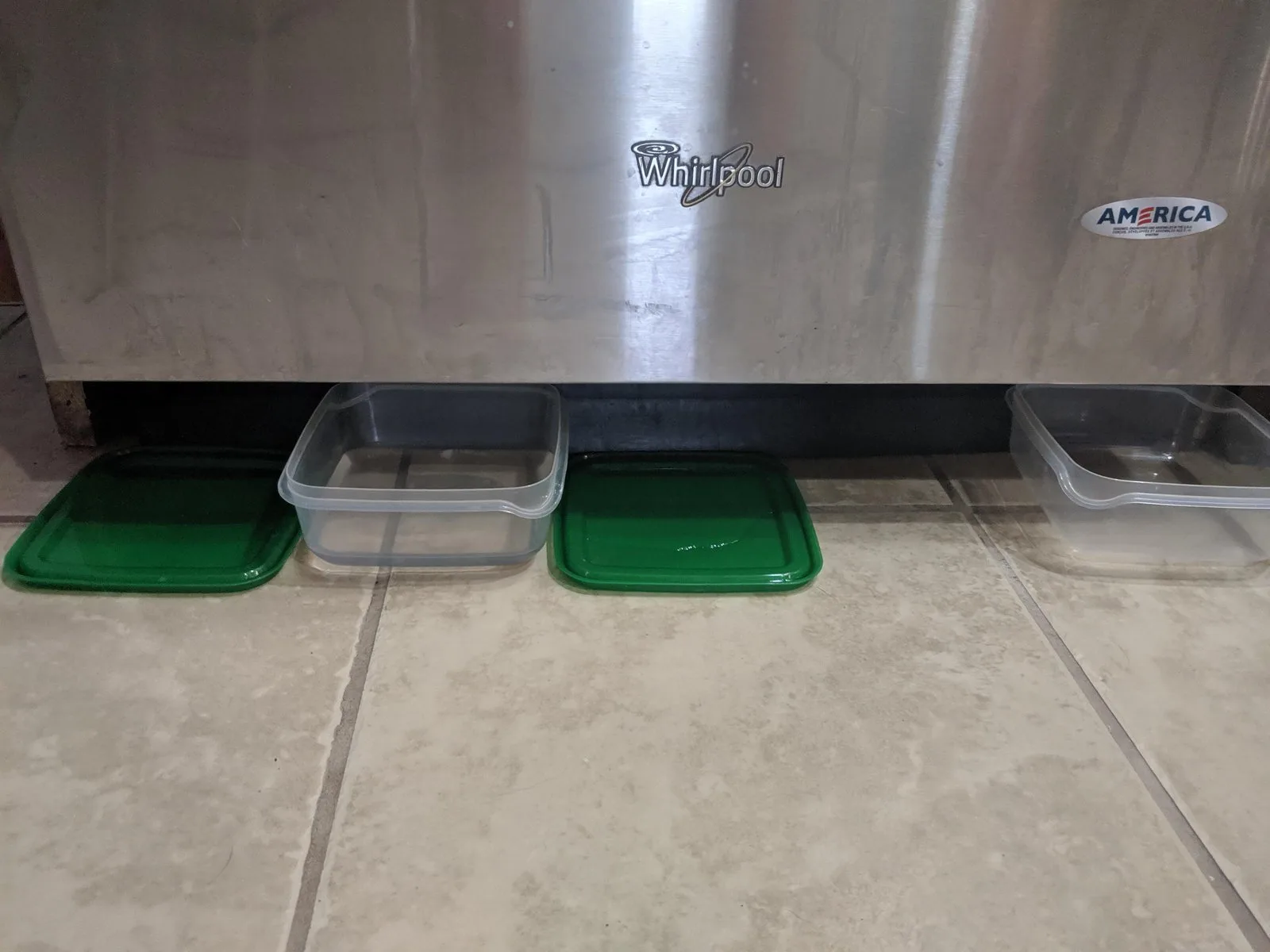
Place a thick towel or a shallow tray under the door to catch any remaining water. This prevents moisture from seeping into your subfloor, which can cause wood rot or mold growth over time.
-
Remove the bottom rack to get a clear view of the interior floor and filter area.
-
Inspect the door seal for debris; wipe it with a damp cloth to ensure a tight fit. If you find cracks or stiff, brittle sections, replace the gasket immediately to prevent costly leaks that ruin kitchen cabinetry.
What is actually happening
A dishwasher relies on a watertight seal created when the door latch pulls the gasket against the frame of the tub. If this gasket becomes brittle, torn, or covered in soap scum, water will escape during the wash cycle. You can see this by checking for hard water deposits or food bits along the rubber seal. Run your finger along the entire perimeter; if you feel a jagged edge or a loss of elasticity, the seal must be replaced.
Another common cause is the spray arm. These arms rotate and spray water at high pressure. If an arm is cracked or blocked by a large dish, it might spray water directly at the door seal, which isn’t designed to withstand a constant, high-pressure stream. If you notice the leak only occurs during the rinse cycle, the spray arm is the primary suspect.
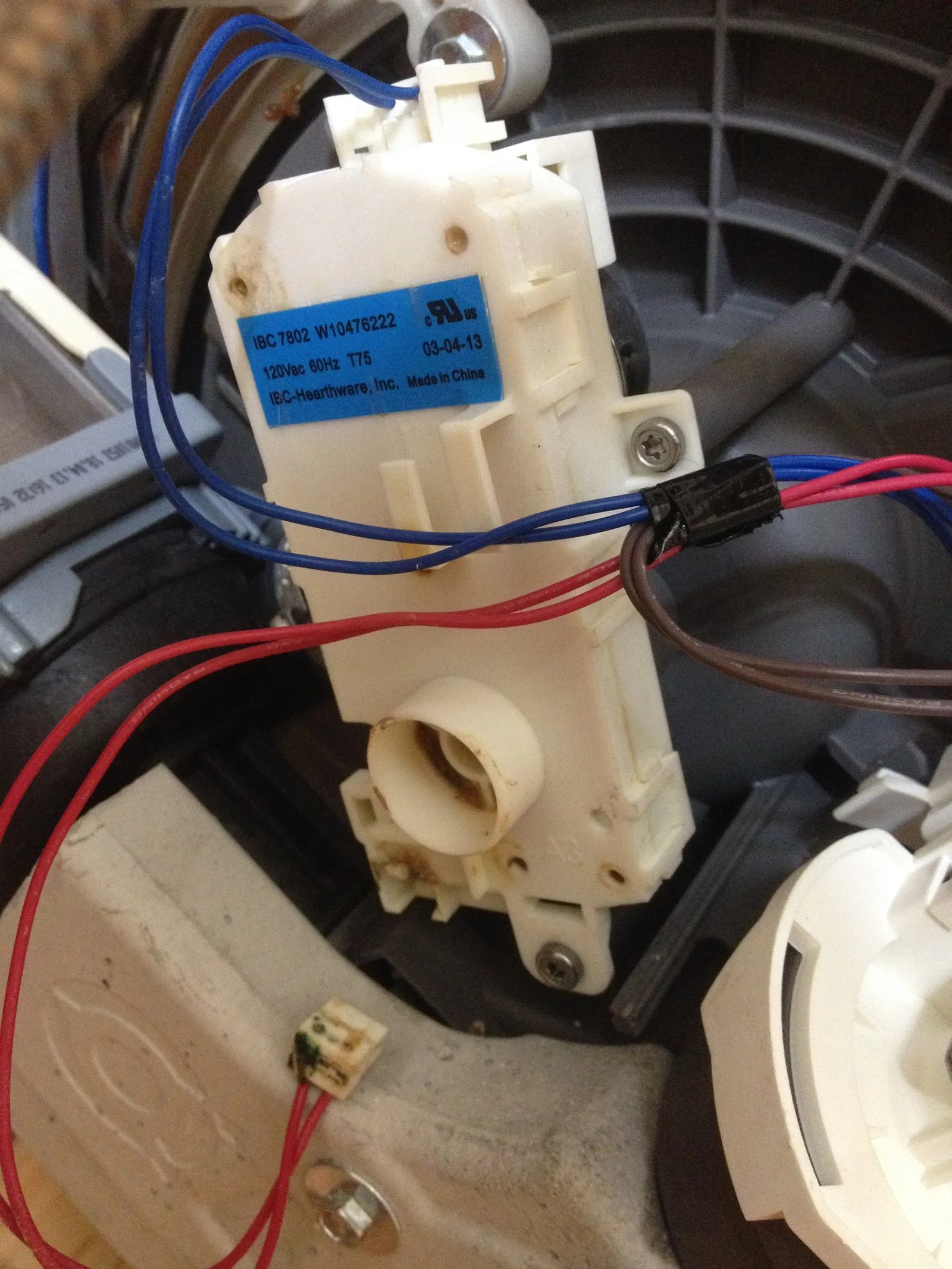
The drainage system is a third area to check. If the drain hose is kinked or the pump filter is clogged, water can back up and overflow. This varies by model; check the label on your door frame for the specific series number before ordering parts. You should also look at the water inlet valve. This valve controls the flow of water into the tub. If the valve fails to close properly, the dishwasher may overfill, causing water to spill out from the bottom. This isn’t a plumbing pipe issue but an internal mechanical failure.
If the leak persists after you clear the filter, check the float switch. This small plastic component sits on the floor of the tub and cuts off the water supply when the level gets too high. If it’s stuck in the down position due to grime, the unit will continue filling until it spills. A mistake many people make is using too much detergent, which creates excess suds that force water past the door seal, costing you time in cleanup and potentially damaging the floor. If you see suds, run a cycle with a cup of white vinegar to clear the buildup.
Check these, cheapest first
Inspect the door gasket
Look for rips or hard buildup on the rubber seal. A good seal looks flexible and sits flush against the tub frame. A bad one has visible gaps or feels stiff.
Clear the filter
Pull the filter out from the bottom of the tub. A clean filter allows water to pass freely; a clogged one holds back water. Rinse it under hot water to remove grease.
Check the spray arm
Rotate the arm by hand to ensure it moves smoothly. Check for cracks along the seam or blocked holes. If the holes are clogged, use a toothpick to clear them.
Examine the drain hose
Check under the sink to see if the hose is kinked or pinched. A straight hose allows for proper drainage; a kinked one forces water back into the unit.
Verify the water level
This is a clear sign that the valve needs a replacement.
The fix
To replace a damaged door gasket, pull the old one out of the channel around the door frame. Clean the channel thoroughly with warm water and soap to remove any residue. If the channel remains sticky or contains mineral buildup, use a plastic putty knife to scrape it clean before installing the new part.
Press the new gasket into the channel, starting at the top center and working your way down both sides. Ensure it’s seated flat without any twists or bunching. A properly installed gasket will feel firm and create a snug, water-resistant seal when you close the door. If the leak stops during your next test cycle, the fix has held. If the problem returns within a week, the issue may be a misaligned door hinge or a warped tub frame, which requires a specialist to inspect.
For a clogged filter, simply twist the filter assembly counter-clockwise to unlock it. Wash it in the sink with a soft brush, then replace it and turn it clockwise until it clicks. If you have a damaged spray arm, remove the retaining nut at the center of the arm to pull it off.
Snap the new one into place and tighten the nut by hand. Never use tools to tighten plastic components, as they break easily. If the spray arm doesn’t spin freely after installation, you have likely overtightened the nut or failed to seat the gasket behind the arm. Back the nut off by a quarter turn to restore movement. If the arm still drags, remove it and check the mounting spindle for cracks or debris that prevent a flush fit.
Where this stops being a DIY job
You should stop working if you suspect the issue involves the electrical wiring, the control board, or the water inlet valve housing. Any repair involving electrical components carries a risk of shock or fire. A capacitor can hold a lethal charge even when unplugged, so never attempt to open the motor housing or the internal control box.
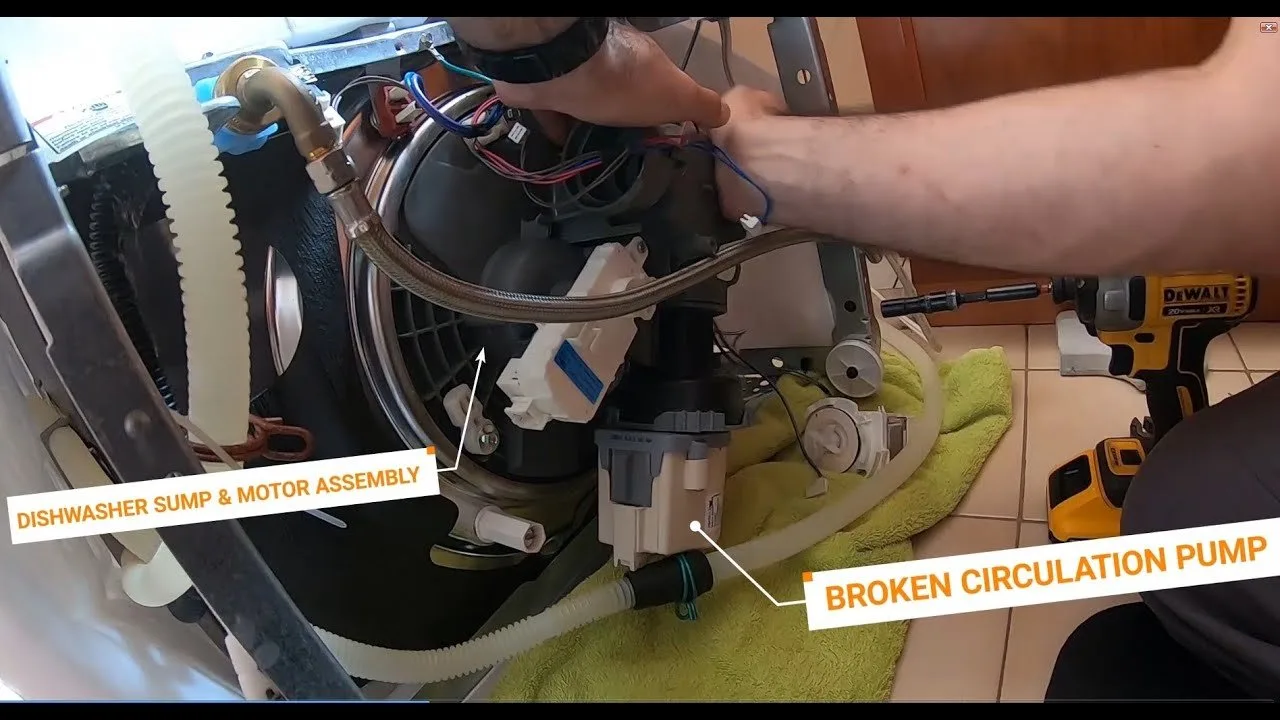
If you can’t stop the leak by cleaning the filter or replacing the door gasket, you need a qualified technician. Most DIYers make the mistake of assuming a leak is always a simple seal issue. If you replace the gasket and the puddle returns, you’re likely dealing with a hairline crack in the plastic tub or a failing pump seal. These repairs require specialized tools to disassemble the entire chassis.
When you call a professional, tell them you have already cleaned the filter and checked the door seal for tears. This allows them to focus on hidden mechanical failures like a failing pump seal or a faulty water inlet solenoid. A technician will usually perform a pressure test to find the exact source of the leak behind the panels.
Use this decision rule: if the water originates from the bottom center, it’s likely a pump issue requiring a pro. If the water runs down the front face of the machine, it’s a gasket issue you can solve yourself.
Frequently asked questions
Can I keep using my dishwasher if it leaks?
No, you should stop using it immediately. Running a leaking dishwasher can cause water damage to your kitchen cabinets and flooring. It may also lead to short circuits if water reaches the electrical components under the unit.
How long does a dishwasher door gasket last?
A door gasket typically lasts between five and seven years depending on usage. If you notice the rubber becoming hard or cracking, it’s time to replace it to prevent leaks.
Is it safe to fix the dishwasher myself?
Yes, it’s safe to perform basic maintenance like cleaning the filter or replacing the door seal. However, you must unplug the machine or turn off the breaker before touching any internal parts.
What happens if I use too much soap?
Using too much detergent causes excess suds that create internal pressure. This pressure forces water past the door seal even if the gasket is in good condition.
Does it matter if I use a generic gasket?
It’s best to use a genuine part for your specific model. Generic gaskets often don’t have the exact thickness or flexibility required for a tight seal.
How do I know if the drain pump is broken?
If the dishwasher doesn’t drain the water after a cycle, the pump may be broken or clogged. Check the filter first, and if it’s clean, call a technician.
Final Thoughts
If you’ve checked these common trouble spots and the puddle persists, it’s best to call a professional technician. They’ll have the right tools to find hidden cracks or faulty seals you might’ve missed. Don’t wait too long to get it fixed, as you don’t want water damage ruining your kitchen floor.
Related guides
- Kenmore Dishwasher Leaking from Bottom
- Kitchenaid Dishwasher Not Spraying Water
- Bosch Dishwasher Leaking: Quick Fixes and Expert Solutions