
A Hotpoint washer won’t agitate usually because the lid switch is faulty, the drive belt has slipped or broken, or the motor coupler has failed. When the machine fills with water but stays silent or simply hums during the wash cycle, it’s often a sign that the safety interlock or the mechanical drive components can’t engage. You can check the lid switch and the power supply yourself, but internal mechanical repairs require a professional technician to avoid injury or damage.
Reasons your Hotpoint washer won’t agitate
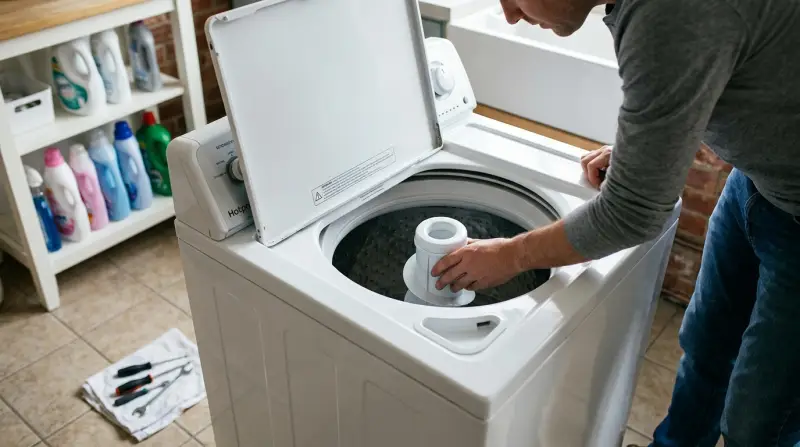
The primary reason for a lack of movement is a breakdown in the communication between the control board and the motor. If the lid switch doesn’t register that the door is closed, the machine won’t send power to the motor for the agitation cycle. This is a safety feature designed to prevent injury while the drum is in motion.
Another common cause is mechanical wear. The drive belt connects the motor to the transmission. If this belt stretches, slips, or snaps, the motor will turn, but the agitator won’t move. Similarly, the motor coupler, a small plastic piece that links the motor to the transmission, can wear out over time. If this part breaks, the motor spins freely without moving the internal parts of the washer.
Finally, a failing motor can stop mid-cycle. This often happens if the motor overheats. Many modern appliances have thermal fuses or overload protectors that cut power to prevent a fire. If you notice a burning smell or the machine stops abruptly, this is likely the cause. Always check GE Appliances product support for specific error codes or reset procedures for your model, as these vary by year and design.
Check the lid switch and power
This fix is for users who suspect a simple safety lockout is preventing the cycle from starting. The lid switch is the most common point of failure for agitation issues. First, ensure the lid is closing firmly. If the plastic tab on the lid that pushes the switch is broken, the machine won’t agitate. You can look at the switch assembly near the door frame to see if it’s loose or obstructed by detergent buildup.
If the lid appears fine, check the power supply. Reset your home circuit breaker to be sure. If you hear a faint clicking sound when the agitation should start, the switch is likely trying to engage but failing. If the switch looks physically damaged or doesn’t click when pressed, it must be replaced. This is a standard repair for a technician. Don’t attempt to bypass the lid switch by wiring it shut, as this creates a significant safety risk. If you aren’t comfortable inspecting the electrical connections at the wall outlet, stop here and call a repair professional.
Inspect the drive belt
This fix is for users who have confirmed the machine has power and the lid switch is functioning but still see no agitation. The drive belt is located at the bottom of the washer and transfers power from the motor to the transmission. Over time, these belts can lose tension or fray.
To check this, you must look underneath the machine. Tilt the washer back carefully against a wall, ensuring it’s stable. Use a flashlight to inspect the belt. If the belt is hanging loose or shows signs of cracking, it needs to be replaced. If the belt is off the pulley, you might be able to put it back on, but it usually indicates that the belt has stretched beyond its useful life.
A common mistake is assuming a loose belt is the sole culprit when the real issue is a failing tensioner pulley. If the belt has enough slack to be pulled more than half an inch away from its path by hand, the tensioner spring has likely lost its recoil.
If the belt looks perfect but the motor is spinning while the transmission pulley stays still, the issue is likely the motor coupler. This is a hard plastic or rubber part that connects the two components. Replacing a coupler or a belt requires specific tools to remove the cabinet. If you don’t have experience with appliance disassembly, don’t proceed, as internal components can shift and cause injury. Always unplug the unit before touching any internal parts to avoid the risk of electrical shock.
Professional repair vs replacement
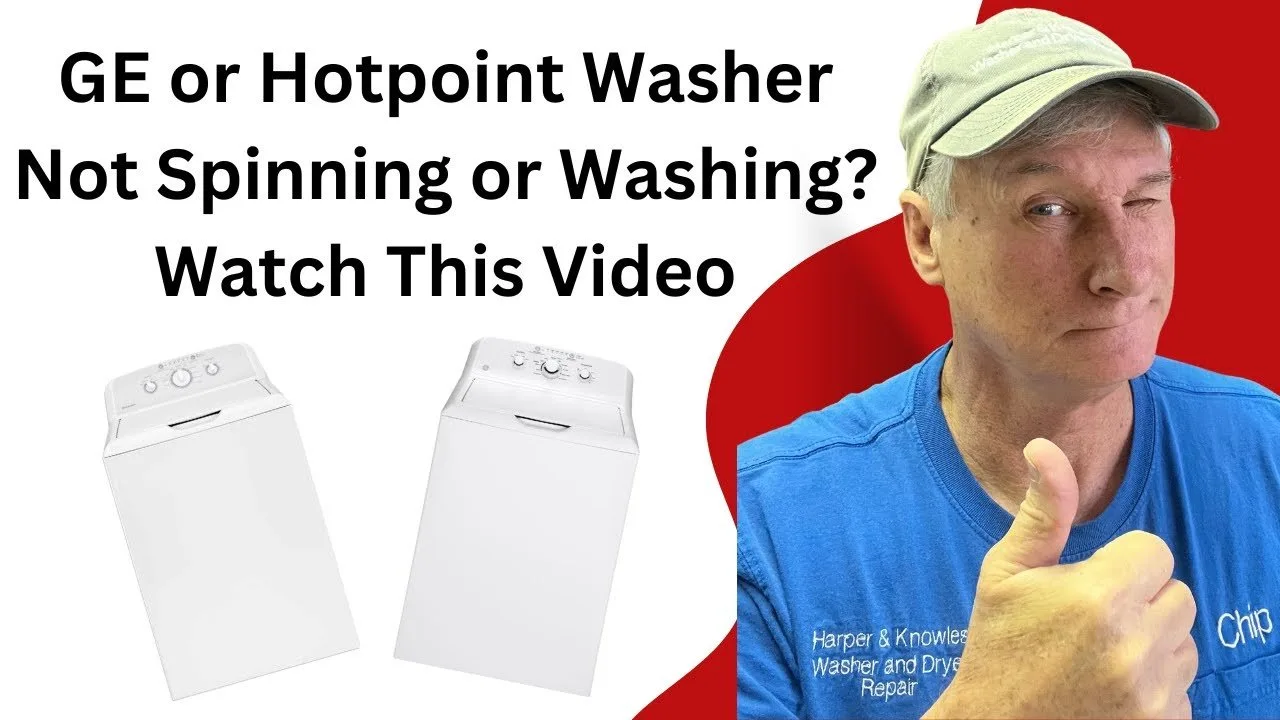
This fix is for users who have identified that the issue is internal, such as a failed transmission or a burnt-out motor. Deciding whether to fix or replace your machine depends on the age of the unit. If your washer is relatively new, a professional repair is usually cost-effective, but as it ages, the cost of labor plus parts often approaches the price of a new unit.
A professional technician has the tools to test the motor windings and the capacitor safely. Never attempt to touch a capacitor, as it can hold a lethal electrical charge even when the machine is unplugged.
If the technician finds that the transmission is stripped, the cost of parts is often high. In this case, if you choose to replace the unit, ensure the new model fits your current plumbing and electrical setup. If you’re handy, you might find a used part, but remember that internal repairs carry the risk of voiding any remaining warranty or causing a leak if seals aren’t seated correctly.
The decision rule is simple: if the repair quote exceeds 50% of the price of a comparable new machine, replace it. Most people make the mistake of ignoring the “hidden” cost of time. If a repair takes more than three days to schedule, the inconvenience of a laundromat often outweighs the savings. If your machine is a high-end model with specialized features, repair is usually the better financial path. For budget-tier appliances, replacement is almost always the smarter long-term investment.
What not to do
-
Don’t bypass the lid switch: Connecting the wires together to “trick” the machine into running removes a critical safety feature and risks serious injury. If the switch fails, replace the component rather than jumping the circuit. Bypassing it prevents the machine from stopping during a spin cycle, which can lead to severe hand or arm trauma.
-
Don’t use tools on the motor housing: Opening the motor or transmission casing is dangerous because internal springs and capacitors can release energy unexpectedly. These capacitors hold a lethal electrical charge even when the machine is unplugged. If you suspect an internal mechanical failure, call a professional technician.
-
Don’t ignore a burning smell: If you smell smoke or burning plastic, stop using the machine immediately; this indicates a motor failure that could lead to a fire. Unplug the unit and check the belt for friction damage.
-
Don’t force the agitator by hand: Trying to turn the agitator manually while the machine is plugged in can damage the internal gears or cause the motor to engage suddenly.
How to stop it happening again
Regular maintenance extends the life of your washer and prevents mechanical failure.
| If you’re doing this | Do this instead | Why |
|---|---|---|
| Overloading the drum | Load clothes loosely | Prevents excess strain on the motor and belt |
| Using too much soap | Use high-efficiency detergent | Prevents buildup that blocks switches |
| Ignoring unusual noises | Call for service immediately | Early detection prevents total failure |
| Slamming the lid | Close the lid gently | Protects the fragile lid switch tab |
Most owners fail by ignoring the “suds test.” If you see residue on your clothes after a cycle, you’re using too much detergent.
If your machine vibrates violently during the spin cycle, don’t simply ignore it. Check the leveling feet first. Use a spirit level to ensure all four corners are firm. If one foot spins freely, the machine is uneven.
Frequently asked questions
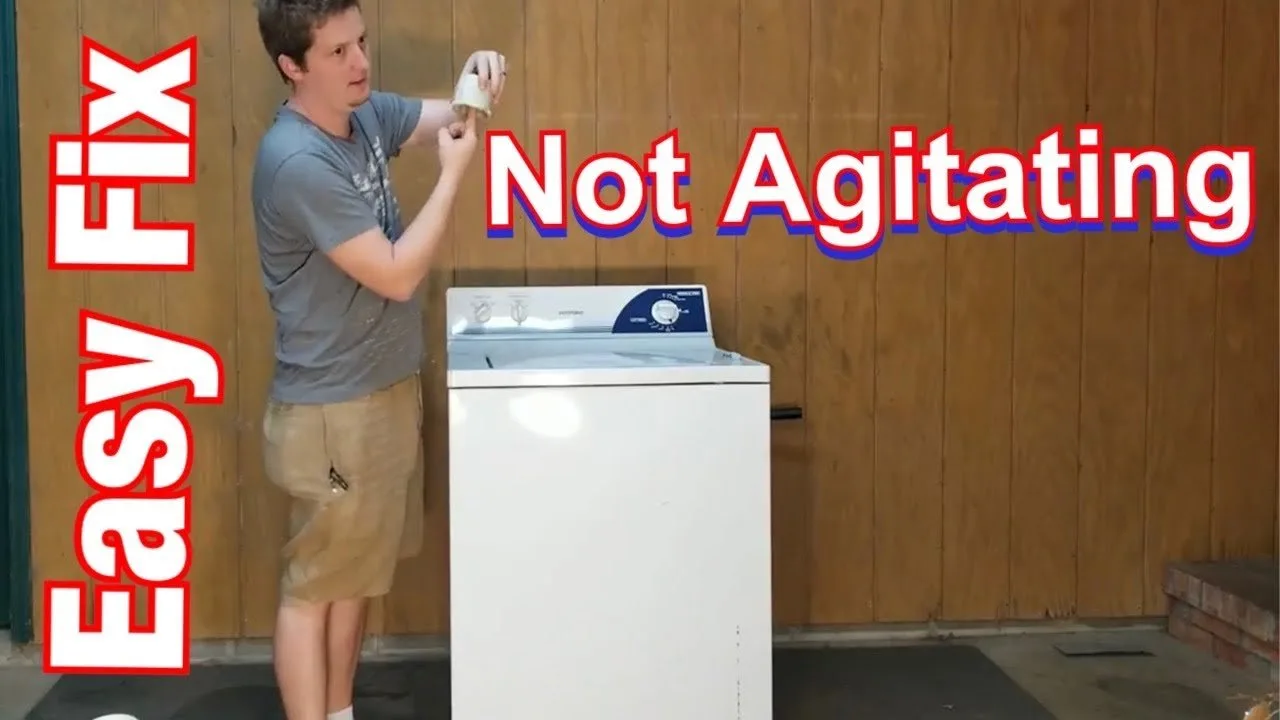
Can I fix a broken washer myself?
You can perform basic checks like inspecting the power supply, lid switch, and belt for visible wear. If the problem requires removing internal components, you should call a professional. Working on internal parts carries a significant risk of electrical shock or personal injury.
Why does my washer hum but not move?
A humming sound usually means the motor is receiving power but can’t turn the transmission. This often happens because the motor coupler has broken or the drive belt has slipped. Stop the cycle immediately to prevent the motor from overheating and creating a fire hazard.
How long should a washer last?
Most modern washers are designed to last for a decade with normal residential use. This varies by model and how frequently you run heavy loads. If you use the machine daily for large families, expect the mechanical parts to wear out sooner.
Is it safe to leave a broken washer plugged in?
It’s safest to unplug the washer if it isn’t functioning correctly. A machine with a potential electrical fault can pose a risk of a short circuit or fire. If you can’t reach the outlet, turn off the power at the circuit breaker.
What happens if I overload my washer?
Overloading puts extreme pressure on the motor, drive belt, and suspension springs. When the drum is too heavy, the motor must work harder, which causes it to overheat and fail. Always follow the manufacturer’s capacity guidelines to prevent damage to your machine.
Final Thoughts
If you’re still feeling unsure about the repair, it’s best to call a local appliance expert. They’ll have the right tools to diagnose the issue quickly and safely. Don’t worry if you can’t fix it yourself; sometimes it’s better to let a pro handle the heavy lifting so you don’t get hurt.