
If you have a Hyundai Tucson door lock button not working, a faulty actuator is the most common cause. Check your fuse box, usually under the dashboard or in the engine bay, to see if the wire inside is broken. If the fuse is intact, the issue may be a loose connection or a faulty actuator. Consult your owner’s manual for the specific fuse location.
| Cause | How common | How to confirm it | Fix it yourself? |
|---|---|---|---|
| Blown fuse | Very common | Visual inspection of fuse | Yes |
| Loose wiring | Common | Wiggle door panel harness | Yes with care |
| Faulty switch | Occasional | Test with multimeter | No |
| Bad actuator | Occasional | Listen for motor sound | No |
| BCM failure | Rare | Diagnostic scan tool | No |
| Key fob sync | Rare | Re-pair the remote | Yes |
Blown electrical fuse
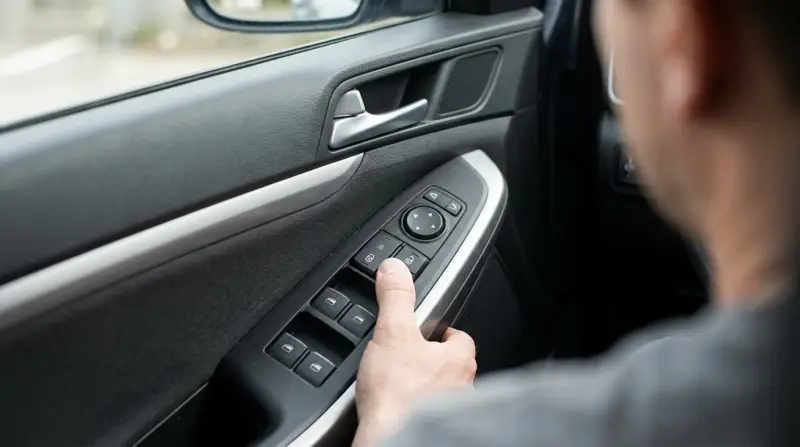
A blown fuse is a safety feature that protects your car’s wiring from overheating when there’s an electrical surge. Because the door locks draw a specific amount of power, a spike can cause the thin metal strip inside the fuse to melt, cutting power to the button. You can confirm this by locating the fuse box, which houses several colored plastic components. Use the diagram printed on the inside of the fuse box cover to find the one labeled “Door Lock” or “DL.” If the metal bridge inside the clear plastic fuse is separated, it’s blown.
Replacing a fuse takes about five minutes and costs very little, as it only requires a new fuse of the exact same amperage rating. You can find the required amperage in your owner’s manual under the fuse section. Always match the number printed on the top of the old fuse exactly. Using a 20-amp fuse where a 15-amp is required can cause the wiring harness to melt before the fuse ever blows.
If you replace the fuse and it blows again immediately, don’t try to use a higher-rated fuse, as this creates a fire risk. In that case, you have a short circuit that needs a professional’s touch. If you have a trim tool, you can gently pull the fuse; if not, use the plastic puller provided inside the fuse box. This limit varies by model, so check the label on your specific fuse box cover to ensure you’re using the correct slot.
If the new fuse holds, your door lock button should work instantly. If the button remains unresponsive, test the lock actuator itself. A seized actuator motor often draws excessive current, which will blow a new fuse within seconds. If the fuse stays intact but the lock stays stuck, the problem is mechanical, not electrical.
Safety: Inside a mains-powered machine, the parts behind the outer cover can hold a dangerous electrical charge even after it has been unplugged — that’s why they sit behind a cover. Opening the housing, or testing or replacing anything behind it, is a job for a qualified technician, never a home repair.
Loose wiring connections
Loose wiring often occurs due to the constant vibrations of the car or previous door panel repairs. If the internal connector behind the door card becomes disconnected or corroded, the electrical signal can’t reach the lock mechanism.
You can tell this is the cause if the button works only when you press it at a specific angle or if other controls on the same door panel are also acting up. This is different from a fuse issue because a fuse would usually kill the entire lock system, whereas a loose wire often affects only one door.
If you have experience removing door interior panels, you can check these connections. If you have never taken apart a car door, it’s better to have a pro do it. A mistake here, such as pulling too hard on the plastic clips, can cost you the price of a full door panel replacement, which often exceeds the cost of a simple repair.
Use a non-conductive electrical contact cleaner to prevent shorts.
This varies by model. Check the service guide for your specific door structure, as some newer models have delicate airbag sensors hidden behind the panel. If you see a bright yellow or orange wire harness, don’t touch it; that’s your airbag system. If you aren’t comfortable handling internal car electronics or if you see those colored wires, stop here and visit a mechanic.
Faulty door lock actuator
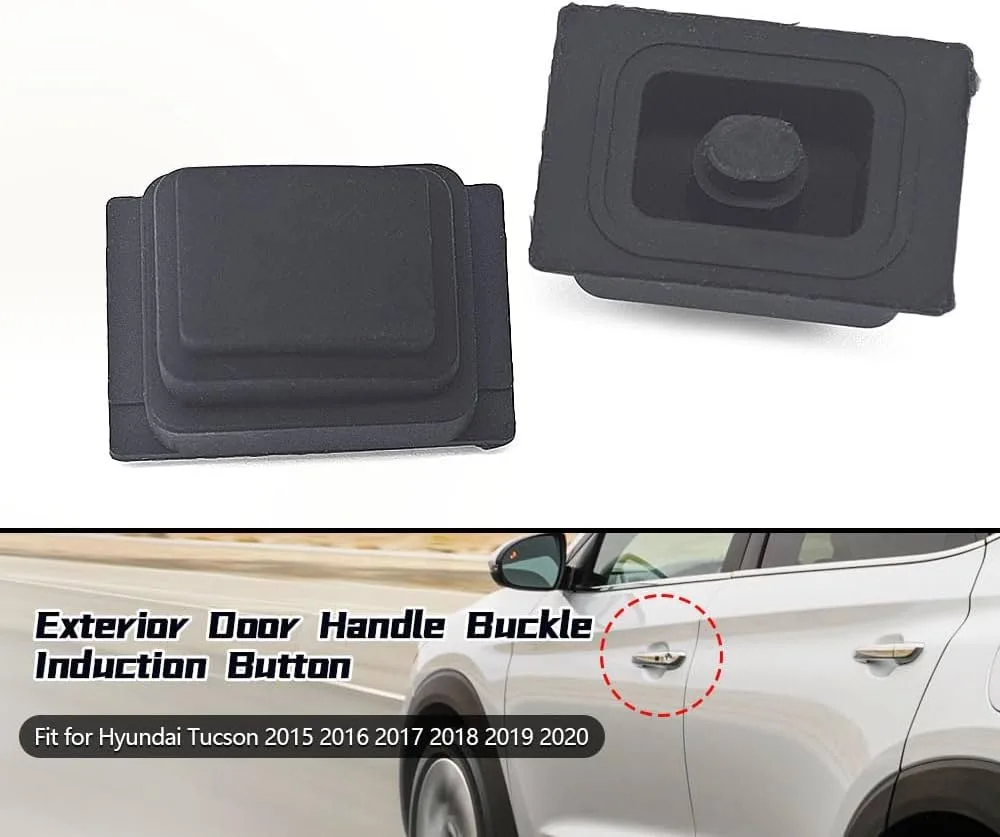
An actuator is the motorized part that physically moves the lock mechanism. Over time, the internal gears inside the actuator wear out or the electric motor burns out. You can tell this is the cause if you hear a clicking or whining sound from inside the door when you press the button, but the lock doesn’t move. This is distinct from a fuse or wiring issue because the electrical signal is clearly reaching the door, but the mechanical action is failing.
If you hear no sound at all, check your fuse box first. A blown fuse usually only affects the door lock circuit. If those other features work, the actuator is almost certainly the point of failure.
This repair requires specialized tools to remove the door latch assembly. This isn’t for the average driver, as it involves working near window regulators and glass. A professional shop will handle the labor, and the cost is essentially the price of the part plus an hour or two of shop time.
If you suspect the actuator is the culprit, don’t force the lock button repeatedly, as this can overheat the remaining working components. Always consult a certified technician for this type of internal mechanical work to keep your warranty and safety features intact.
The less likely causes
Faulty body control module: This central computer manages electrical signals. Failure usually results in multiple, seemingly unrelated system errors across the car, such as interior lights, locks, and wipers failing simultaneously. If your diagnostic scanner shows “U-codes” or communication errors across several modules, the BCM is the likely culprit.
Corroded door switch contacts: Dirt or moisture inside the physical switch blocks current. You might notice the button feels “mushy” or sticky. If the interior light fails to trigger when the door opens but the power locks still function, the switch is likely oxidized. Cleaning it with electronic contact cleaner often resolves the issue.
Damaged door hinge wiring: Wires running through the door jamb break after years of repetitive motion. This manifests as an intermittent connection. If the lock fails only when the door is at a specific angle, the internal copper strands are likely frayed.
Key fob synchronization: If the physical button works but the remote fails, re-pair the fob.
What a fix usually involves
Fixing a door lock issue depends on whether the problem is electrical or mechanical. A simple fuse replacement involves only the cost of a small part and a few minutes of your time. If the issue is a faulty actuator or a complex wiring short, it usually involves professional labor and the replacement of a module or motor. These parts are often model-specific, so the cost varies widely based on whether the manufacturer sells the component separately or requires you to buy a larger assembly.
To get a real quote, call a local shop with your vehicle identification number (VIN) so they can look up the exact parts needed. Don’t rely on generic online prices, as door lock components vary by trim level and features like power-folding mirrors or proximity entry.
If your door makes a rapid clicking sound when you hit the switch, the actuator motor is likely failing and needs immediate replacement to prevent total lockout. If the door remains completely unresponsive, check the fuse box again or consult a professional. A common mistake is replacing the expensive lock module when a simple broken wire in the door hinge is the true culprit.
If you’re handy, you can save money by doing the fuse check yourself, but always leave mechanical repairs to those with the proper diagnostic equipment. Checking your vehicle’s service documentation will tell you if the part is a simple plug-in component or a complex assembly requiring specialized tools to install.
Frequently asked questions
Can I fix a broken door lock button myself?
Yes, you can fix it yourself if the cause is a simple blown fuse or a loose connection. You can confirm the fuse status by checking the fuse box diagram in your manual. If the problem is deeper, such as a failing actuator or a computer module issue, it’s safer to let a professional handle the repair to avoid damaging the door panel or electrical system.
Is it safe to drive with a broken door lock?
Yes, it’s safe to drive, but you must ensure your doors are manually locked for security. If the door lock button isn’t working, the primary risk is that you can’t secure the vehicle or exit quickly in an emergency if the electronic override fails. Check your local laws regarding vehicle safety equipment, as some regions require all door locks to be functional for vehicle inspection.
How long does a door lock repair take?
About 30 minutes is the typical time for a fuse or simple connector fix. If the repair requires replacing a door lock actuator or complex wiring, it could take several hours at a shop. The exact time depends on the specific door model and whether the technician needs to remove internal window components to reach the faulty part.
Why do door lock buttons stop working?
The most common reason is a blown fuse caused by an electrical surge or a worn-out mechanical actuator. Over time, the constant use of the electric motor causes the internal gears to wear down or the electrical contacts to corrode. Check your owner’s manual for the specific fuse location, as this is the quickest way to rule out a simple power loss.
Does a broken door lock button affect the key fob?
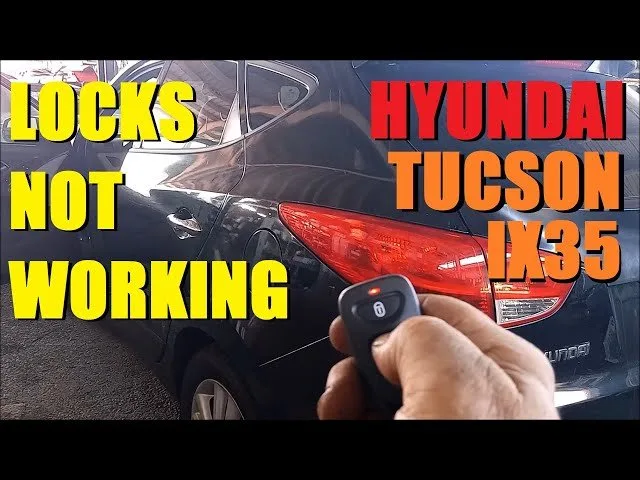
No, these are usually separate systems, although they share the same locking mechanism. If your key fob works but the interior button does not, the issue is likely the switch or the wiring leading to that specific button. If both fail to lock the door, the problem is more likely a blown fuse or a faulty actuator that controls the entire door’s locking function.
Final Thoughts
If these simple checks don’t solve the problem, it’s best to visit a trusted mechanic. They’ll have the right tools to test your electrical system safely. Don’t wait too long to get it fixed, as you shouldn’t have to worry about your vehicle’s security every time you park for the night.
Related guides