
Dead batteries or signal interference are the most frequent reasons for a Mendota Fireplace Remote Control Not Working. Confirm this by checking the battery levels in both the remote and the receiver box. If the screen is blank or the receiver doesn’t click, the power source is the issue.
Why your Mendota Fireplace Remote Control Not Working

| Cause | How common | How to confirm it | Fix it yourself? |
|---|---|---|---|
| Dead batteries | Very common | Remote display is blank | Yes |
| Receiver interference | Common | Move closer to unit | Yes |
| Syncing issues | Occasional | Re-pair remote to unit | Yes |
| Corroded terminals | Occasional | Check for white powder | Yes with care |
| Damaged wiring | Rare | Look for frayed wires | No |
| Faulty control module | Rare | System fails all checks | No |
Most users assume a blank screen means a dead battery, but you should first check for a “ghost signal.” If the remote display flickers when you press a button but the unit doesn’t respond, the issue is likely radio frequency interference. Turn off nearby LED lamps or Wi-Fi routers to see if the signal clears.
When checking for corrosion, look for a blue or white crust on the metal springs. If you see it, scrub the contacts gently with a cotton swab dipped in white vinegar. Don’t use water.
The most expensive mistake is replacing the control module before testing the wiring. If the remote pairs successfully but the device remains unresponsive, the fault lies in the internal wiring harness. If the harness is intact, only then should you suspect a failed module. If you lack experience with electrical systems, stop here and call a professional.
Safety: Inside a mains-powered machine, the parts behind the outer cover can hold a dangerous electrical charge even after it has been unplugged — that’s why they sit behind a cover. Opening the housing, or testing or replacing anything behind it, is a job for a qualified technician, never a home repair.
Power depletion in the handheld unit
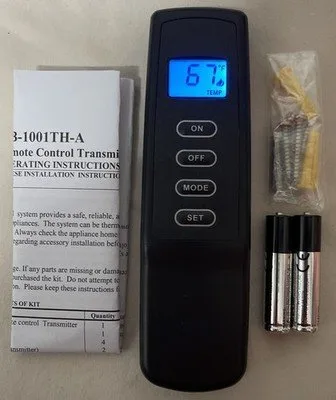
The most frequent cause of a non-responsive fireplace is simple battery exhaustion. When the voltage drops below the threshold required to send a signal to the fireplace receiver, the unit stays silent. You should first check the LCD display on your remote; if it appears faint, flickering, or is completely dark, the batteries are likely empty. Even if the screen looks normal, standard alkaline batteries can lose their power density over several months of standby usage.
To test this, remove the old batteries and install a fresh pair of high-quality alkaline batteries. Don’t mix old and new batteries, as this can cause uneven power flow and damage the internal components. If you use a remote model that requires a button-cell battery, ensure the new battery has the exact same voltage rating as the one you removed. This process takes about five minutes. If the remote remains unresponsive after a fresh battery swap, verify that the battery compartment contacts are clean and free of debris. If the remote shows a signal icon but the fireplace doesn’t respond, the issue has moved from the remote to the receiver. Always remember that this varies by model — check the label inside your battery compartment for the specific battery type required. If you see signs of leakage or heavy corrosion on the metal springs, don’t force the batteries in, as this can permanently damage the contact points.
Signal interference and distance limits
Signal interference often prevents the remote from communicating with the fireplace receiver, especially if you have recently added metal objects or electronic devices near the hearth. The remote sends a radio frequency signal to the receiver box, which is usually tucked away behind the fireplace grill. If you stand too far away or if there’s a thick barrier between the remote and the receiver, the signal won’t reach its target.
You can test this by walking directly up to the fireplace grill and holding the remote within three feet of the receiver box. If the unit clicks or ignites while you’re standing close, but fails from across the room, the issue is signal range or physical obstruction. Keep in mind that heavy furniture, metal cabinets, or even other wireless devices in your home can create “dead zones” where the signal is blocked. If the remote works fine in one spot but not another, you’re dealing with environmental interference. If you have recently moved the furniture or installed new electronic devices near the fireplace, try moving those items to see if the connection improves. This is a common trade-off: you gain convenience with a remote, but you lose the reliability of a hardwired wall switch. If the unit works perfectly from three feet away but refuses to trigger from the couch, consider that the receiver antenna may be tucked too deeply inside the metal casing of the fireplace.
Lost synchronization between remote and receiver
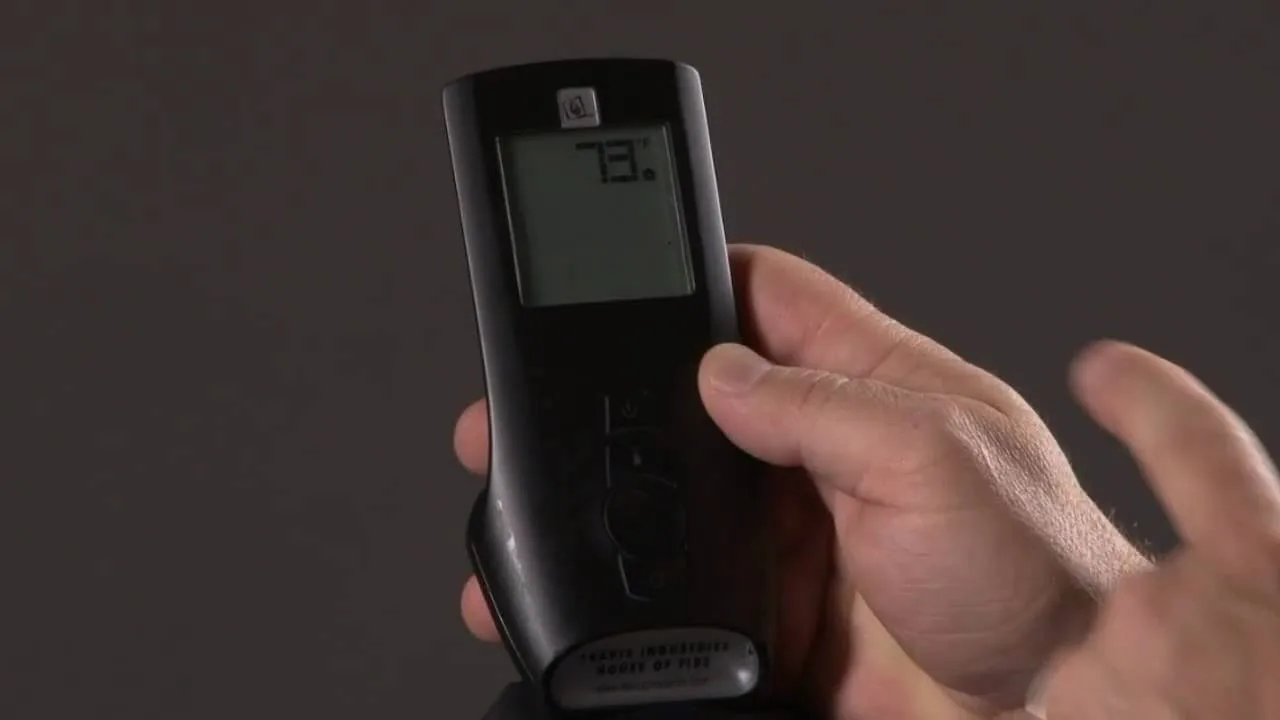
Sometimes the electronic handshake between your remote and the receiver is lost, causing the system to ignore your inputs. This happens if the batteries were removed for an extended period or if there was a power surge in your home. You can tell this is the cause if the remote screen is active and you’re standing close to the fireplace, but the receiver remains completely silent when you press the power button.
To fix this, you must reset the communication link by following the pairing procedure specific to your Mendota model. Most receivers have a small “Learn” or “Reset” button located on the front or side of the control box. You typically press and hold this button until you hear a series of beeps, then immediately press the power button on your remote to register it. If you hear a confirmation beep, the devices are linked again. This process usually takes about ten minutes. If you can’t find a reset button on your receiver, the unit may use a different sync method, such as toggling a dip switch. If you’re unsure of the sequence, look at the back of your remote or the side of the receiver for a model number and search for the pairing guide for that specific unit. If you complete the pairing steps and the fireplace still doesn’t respond, the receiver itself may have failed.
The less likely causes
-
Corroded battery terminals: White or green crust on the battery springs blocks electricity. Clean them gently with a dry cotton swab. If the crust is stubborn, use a tiny drop of white vinegar, but ensure the area is bone-dry before reinserting the batteries.
-
Loose wiring: A wire may have vibrated loose from the receiver module. This requires a professional to inspect the internal connections.
-
Blown fireplace fuse: If the unit has no power, check your home’s breaker panel first. If the breaker is fine, locate the glass fuse on the control module. A blackened or broken internal wire inside the glass indicates a surge, which costs you a simple, inexpensive fuse replacement rather than a new module.
-
Failed control module: If all other steps fail, the receiver board may be damaged. A certified technician must replace this part.
What a fix usually involves
Fixing a remote control issue typically involves minor troubleshooting that requires no special tools. If the problem is dead batteries, the cost is simply the price of a small pack of household batteries. If you need to re-pair the remote, your only cost is the time taken to follow the manual’s instructions. However, if the receiver module is faulty, you’ll need to purchase a replacement part. This is usually a small electronic component, but it can cost a significant portion of the price of a new remote system.
To get an accurate quote for a replacement module, look for the model number printed on the back of your remote or on the sticker attached to the receiver box. You can then contact a local authorized fireplace dealer to verify if the part is still available for your specific unit. Never attempt to open the receiver housing or repair the circuit board yourself, as this can void your warranty and poses a risk of electrical shock. If your fireplace is under warranty, always contact the dealer who installed the unit before attempting any repair that involves opening the fireplace cabinet.
Frequently asked questions
Can I use any universal remote for my fireplace?
No, you can’t use a generic universal remote because Mendota fireplaces use specific radio frequencies and proprietary handshake codes to prevent interference with your neighbors’ devices. You must use the remote model that came with your fireplace or a manufacturer-approved replacement. Check your owner’s manual to find the exact part number for your system, as using an incompatible remote will result in no response from the receiver.
How long do fireplace remote batteries usually last?
Remote battery lifespan varies depending on how often you use the fireplace. If you leave the remote in a cold room or use it frequently, the batteries will drain much faster. You should replace both the remote and receiver batteries at the same time regularly to prevent corrosion and ensure reliable operation.
Is it safe to leave the fireplace remote near heat?
No, it isn’t safe to leave the remote near the fireplace glass or on the hearth, as extreme heat can melt the plastic casing and damage the internal electronics. Always keep the remote in a cool, dry place away from direct flames. If the remote has been exposed to high heat, the LCD screen may permanently darken or the internal battery contacts may warp.
What happens if the receiver gets wet?
Water or moisture in the receiver box will cause the electronic components to short-circuit, which can permanently disable the entire fireplace control system. If you suspect the receiver has been exposed to water, don’t attempt to power it on. Turn off the gas supply and the electrical power to the fireplace immediately, then call a qualified service technician to inspect the unit for safety.
Does it matter if I use rechargeable batteries?
Yes, it matters because most fireplace remotes are designed for the specific voltage output of standard alkaline batteries. Rechargeable batteries often have a lower starting voltage, which can cause the remote to act erratically or fail to send a strong enough signal to the receiver. Stick to high-quality standard alkaline batteries unless your specific model manual explicitly states that rechargeable types are compatible.
Why does my fireplace click but not light?
If you hear the receiver clicking but the flame doesn’t ignite, the remote is working fine, but there’s an issue with the gas flow or the pilot ignition system. This often happens if the gas valve is closed or if the pilot burner is dirty. Check that the manual gas shut-off valve is in the open position, then contact a professional if the burner still fails to light.
Final Thoughts
If these simple checks don’t restore your fireplace’s flame, don’t hesitate to reach out to a certified technician. They’ll have the right tools to diagnose any complex wiring problems you can’t see. It’s better to get professional help early so you’re ready to enjoy a cozy, warm home all winter long.
Related guides
- Fios Tv Remote Control Not Working: Quick Fixes and Solutions
- Frigidaire Refrigerator Control Panel Board Reset Procedure
- Casablanca Fan Remote Reset: Easy Steps to Restore Control